Central lubrication hose
Produkty z kategorii
Central lubrication hose
Central lubrication hoses - lubrication lines
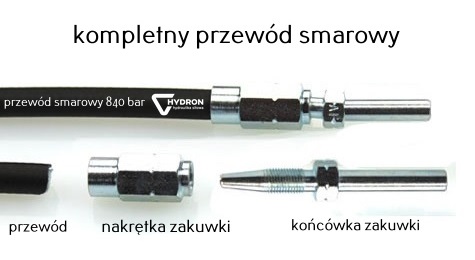
Our offer includes specialized hoses designed for central lubrication. In our offer, you will find high-pressure hoses ( up to 840 bar ) designed for use in central lubrication systems in machines and equipment. The hoses can be used, among others, for grease guns pneumatic, which achieve very high pressures. We offer hoses by the meter or complete central lubrication lines. In our offer, you will also find hose fittings ( screw-on fittings for central lubrication - for self-assembly )
Central lubrication lines
We offer the highest quality hoses designed for professional central lubrication systems in all types of machines and equipment. These are not replacement hoses but original hoses intended for the most demanding applications. Advantages of lubrication lines: possibility of self-assembly ( designed for screw-in connectors ), very high durability , no need for a crimping press ( just screw it on )
What are hoses and lines for central lubrication ?
Central lubrication hoses and lines are specialized components of lubrication systems that enable the precise delivery of lubricant to various points of a machine or device. Central lubrication is an advanced system that automates the lubrication process, ensuring constant protection of moving elements and minimizing the risk of failure. A key role in this system is played by properly selected hoses and lines, which must be resistant to harsh working conditions and adapted to specific technical requirements. Grease lines are elements of every central lubrication system, enabling the precise delivery of lubricant to points requiring protection and maintenance. They are used in both simple systems with a few lubrication points and advanced systems serving dozens of locations. In our range, you will find nylon and plastic lines characterized by ease of installation, high chemical resistance, and mechanical strength.
Lubrication lines -characteristic features
Hoses and lines used in central lubrication are characterized by high-quality workmanship and properties that enable their reliable operation in various environments. The most important features include: Pressure resistance – Hoses must withstand the pressure required for lubricant flow, which may vary depending on the type of installation. Chemical resistance – Lubricants, such as oils and greases, can be chemically aggressive, which is why hoses are made of materials resistant to their action. Flexibility – Hoses and lines should be flexible enough to allow their installation in hard-to-reach places and adaptation to the geometry of the machine. Resistance to external conditions – Hoses used in industry and machinery often work in environments with high dust, high temperatures, or low humidity, so they must be resistant to such conditions. Precision of workmanship – Lines must ensure an undisturbed flow of lubricant, eliminating the risk of blockages or leaks.
Application of hoses in central lubrication systems
Hoses and lines are an integral part of central lubrication, which is used in many industrial sectors. They are used, among others, in: Industrial production lines – Automatic machine lubrication allows for minimizing downtime and ensures production continuity. Construction and agricultural machinery – Central lubrication extends the life of machines working in difficult conditions. Specialized vehicles – Such as excavators, loaders, or trucks, where the lubrication system improves reliability and reduces operating costs. Mining equipment – Hoses and lines resistant to extreme operating conditions ensure the safe operation of machines. CNC machines and precision equipment – Where precise lubrication of moving parts is required to maintain accuracy of operation.
Why are grease lines essential ?
A central lubrication hose plays a key role in ensuring the continuity of the lubrication system's operation. Thanks to them, grease or oil is delivered exactly where it is needed, protecting moving machine parts from excessive wear and failures. The type of lines, their length, diameter, and the material they are made of should be selected for the specific requirements of the system, such as working pressure, type of lubricant, or environmental conditions. Central lubrication systems using appropriate lines are used in construction, agricultural, industrial machinery, and precision equipment. Thanks to their precision of operation and high durability, they minimize the risk of downtime and failures.
Characteristics of grease lines in our offer
Grease lines available in the store stand out for their high-quality workmanship and numerous advantages, such as: Chemical and mechanical resistance -Nylon and plastic lines are resistant to the action of aggressive chemicals, such as oils or greases, and to mechanical damage, ensuring their durability in demanding conditions; Operating temperature range - Our lines can work in temperatures from -60°C to +100°C, making them ideal for applications in various environments, from cold storage to hot production halls; Ease of installation - Flexible materials allow for easy adaptation of lines to the geometry of the system, even in hard-to-reach places. Thanks to this, installation is quick and convenient; Versatility of applications - These lines are compatible with various types of lubrication systems, from agricultural and construction machinery to industrial and CNC equipment.
How to choose the right grease line ?
Choosing the right grease line requires considering several key aspects: Type of lubricant – Different lubricants may require the use of lines with specific chemical properties; Working pressure – The line must be resistant to the pressure occurring in the system to avoid damage and leaks; Working conditions – Ambient temperatures, presence of vibrations, or contact with chemicals should be taken into account; Line ends – Appropriate fittings for central lubrication are key to ensuring tightness and safety in high-pressure systems.
Central lubrication tubing
Central lubrication tubing are flexible lines used to transport oil or grease from pumps to lubrication points in machines. They enable automatic and precise dosing of the lubricant, which extends the life of bearings, guides, and gears and reduces oil consumption. Hydron lubrication lines are made of resistant PVC or polyamide (PA), often with an additional reinforcing braid. They are characterized by high flexibility, tightness, and resistance to high pressure and the action of oils and greases. They are used in central lubrication systems of industrial, construction, agricultural, and transport machinery. Thanks to them, each point receives the exact amount of lubricant, ensuring the trouble-free operation of the entire system.
Central lubrication pipes
Central lubrication pipes are an important element of lubrication installations used in industrial, agricultural, and construction machinery. Their main task is the safe and precise transfer of grease from the lubrication pump to lubrication points, such as bearings, guides, joints, or gears. Properly selected pipes ensure a constant flow of lubricant, eliminate losses, and reduce the risk of system aeration.
Pipes vs. lubrication lines – what is the difference
In Hydron's offer, not only lubrication hoses and lines are available, but also seamless precision pipes, which can be successfully used for grease transfer in central lubrication systems. Lubrication hoses perform well where system flexibility and vibration resistance are required. In turn, seamless pipes are used in permanent installations where routing stiffness, assembly accuracy, and high pressure resistance are important. Seamless precision pipes stand out for their uniform material structure, which translates into their durability and resistance to cracking. Thanks to precise dimensional tolerances, it is possible to tightly connect them with elements of the lubrication system, such as fittings, tees, or manifolds.
Application of seamless precision pipes in lubrication
Seamless precision pipes find application primarily in extensive central lubrication systems, where durable, rigid transmission lines are required. They are used, among others, in industrial machines, technological lines, presses, machine tools, mining machines, and specialized vehicles. Thanks to high mechanical and chemical resistance, they can work in difficult conditions, at increased pressure, and in environments exposed to contamination.
Lubrication line sizes
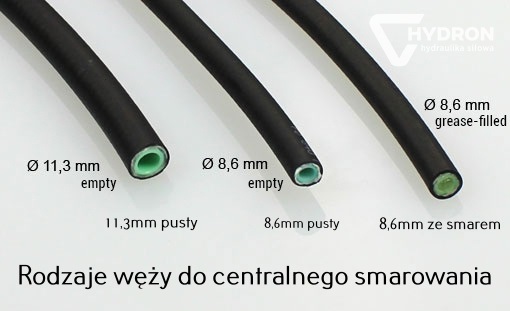
Components of a complete lubrication line