










Hydraulic valves
Produkty z kategorii
back to : hydraulic valves
Hydraulic valves - power hydraulics
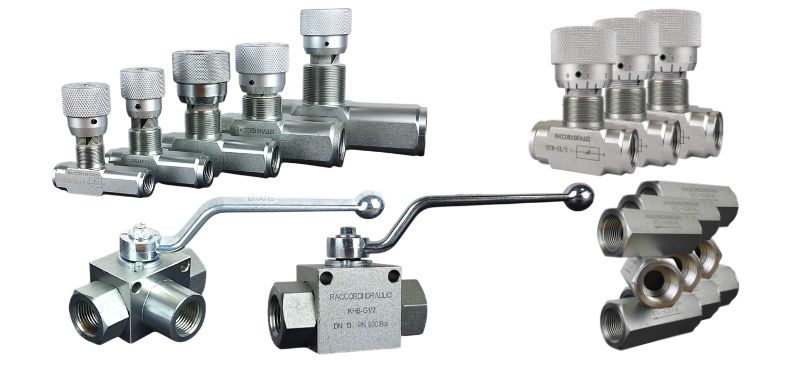
In the offer of our power hydraulics store is a wide selection of high-pressure valves designed for power hydraulics (constituting a component of hydraulic and industrial installations). High-pressure valves can also be used in low or medium pressure installations. Our offer includes connectors for valves (fittings and couplings). Our offer includes not only regular ball shut-off valves but also those controlling the direction or flow rate of the working fluid. Depending on the model, they can operate under pressure up to 500 bar. They occur as switching, throttling, check, throttle - check, controlled (hydraulic locks), shut-off and safety. Material : galvanized carbon steel. On request, we also have stainless steel valves.
What are hydraulic valves ?
Types of hydraulic valves in the HYDRON offer
Hydraulic valves are basic elements of every hydraulic system, responsible for controlling fluid flow, pressure, and flow direction. A properly selected hydraulic valve affects the efficiency, safety, and reliability of the system. In the Hydron store, you will find a wide selection of hydraulic valves that will meet the expectations of even the most demanding users. Our assortment includes various types of hydraulic valves, adapted to various applications and working conditions:
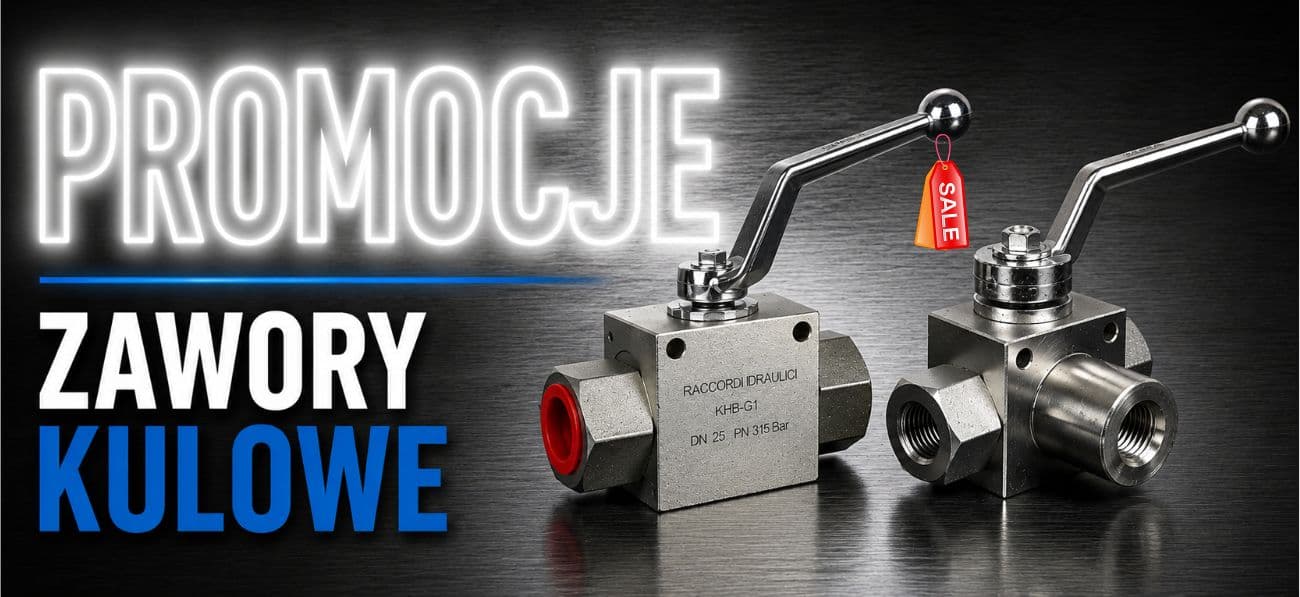
- Hydraulic ball valves. Two-way ball valves – enable quick opening and closing of flow, providing ease of operation and tightness in both directions. Three-way ball valves – allow for distribution or mixing of the fluid stream, ideal for more complex hydraulic systems.
- Hydraulic check valves : Hydraulic check valves – ensure fluid flow in one direction, eliminating the risk of backflow of the medium. Adjustable check valves – enable precise regulation of flow in one direction, which increases control over the system.
- Hydraulic throttling valves : Throttling valves – control flow speed by regulating the flow orifice, which allows for precise management of cylinder movement speed. VRF throttle-check valves – combine the function of a check valve and a throttle valve, allowing for flow control in one direction and free flow in the other.
- Safety and protective valves. Hydraulic overload valves – protect the system against excessive pressure, automatically cutting off the flow in critical situations. Safety valves – used in systems where it is key to protect against failures resulting from overloads or damage.
- Hydraulic locks. VBPDE-A hydraulic locks – irreplaceable in systems where it is required to protect against automatic movement of cylinders under load.
- Flow dividers. Flow dividers – allow for even distribution of fluid flow to several circuits, ensuring their synchronous operation.
- Specialist valves. Hose burst valves – protect the system against loss of medium in case of hose or pipe damage. Hydraulic proportional valves – enable precise control of flow and pressure in a smooth and dynamic way.
What is a valve ? What is a valve ?
A valve is a mechanical device used in piping systems and installations, which serves to control the flow of a medium, such as liquid, gas, steam, or mixtures. The main functions of valves include opening, closing, regulating, or directing flow in hydraulic, pneumatic, water, or gas systems. Valves find application in various industries, including industry, power engineering, construction, as well as in sanitary systems or home installations. The construction of valves is diverse and depends on their function and the type of medium they are to handle. Valves can be made of various materials, such as stainless steel, cast iron, brass, or plastics, depending on the working conditions, such as pressure, temperature, or aggressiveness of the medium.
What is a ball valve ?
A ball valve is a simple and reliable installation element that allows for control of the flow of a medium, such as water, gas, or oil. The key element of the valve is a ball with a drilled hole, which by rotating 90 degrees, opens or closes the flow. Thanks to its construction, the valve ensures full tightness and easy operation – simply turn the lever. Ball valves are valued for durability, fast action, and versatility of applications. They are used in water, gas, or industrial installations, where reliability and safety matter. It is a popular choice in both home systems and demanding industrial conditions.
Types and kinds of hydraulic valves
Valves occur in many varieties : two-way, three-way (L and T type) and four-way (X type) ball valves in sizes from DN4 to DN50. Valves occur with metric or inch threads in versions with external or internal threads. Depending on the model, they can work under a pressure of max. 500 bar or more. Types of hydraulic valves available in the offer : Hydraulic relief valves - responsible for protecting the system against excessive pressure, regulating its value to a set level; Hydraulic throttling valves - serve for precise regulation of fluid flow speed in the system; Hydraulic shut-off valves - allow for complete closure of flow in a given section of the system, providing safety and control; Hydraulic ball valves - known for high durability, ideal for cutting off flow in systems with different pressures; Hydraulic three-way valves - enable dividing fluid flow into two different circuits; Hydraulic safety valves - protect the system against overload, preventing damage to components; Hydraulic reduction valves - regulate pressure in the system, adapting it to the requirements of its various sections; Hydraulic control valves - responsible for precise control of flow direction and intensity; Hydraulic check valves - provide one-way flow of liquid, preventing backflow of the medium; Hydraulic overload valves - protect the system against a sudden increase in pressure, increasing work safety.
Application of hydraulic valves
Our hydraulic valves find application in many industries: Industry – flow management in production systems and industrial machines. Agriculture – controlling the movement of agricultural machinery, such as tractors or combines. Construction – handling excavators, cranes, and other heavy equipment. Power engineering – flow control in cooling systems and pressure systems. In the offer you will find valves for power hydraulics, which provide precise control and reliability in all conditions. The offer includes not only high-pressure valves but also regular ball valves and mini ball valves for water, air. The valves presented in the category below find application from home workshops to high-pressure hydraulic and industrial installations used by companies
How to choose a hydraulic valve ? help in choosing valves
Choosing the right hydraulic valve depends on many factors, such as: Working pressure – valves must be adapted to the maximum pressure in the system. Flow speed – key to ensuring optimal system operation. Type of medium – different valves are designed to work with different hydraulic fluids. If you have a problem with choosing the right hydraulic valve please contact the sales department - we will be happy to help and advise. We encourage you to familiarize yourself with our offer of hydraulic valves. Choose products that will ensure safety and reliability of your system. Check the full range of hydraulic valves, which are an indispensable element of every power hydraulics system, providing precise control of fluid flow, pressure, and direction. In the offer of our store you will find a wide selection of valves, which will meet the needs of both advanced industrial installations and smaller hydraulic systems.
Power hydraulics valves
Hydraulic valves are essential elements of every power hydraulics system. They are responsible for controlling the flow of working fluid, regulating pressure, and ensuring the safety of system operation. Depending on the functions they perform, several basic types of hydraulic valves are distinguished. The following valves are the most popular types used in power hydraulics, which makes them often referred to as hydraulic valves. Each of them plays an important role in controlling and securing the flow of the medium in hydraulic systems. Below we present the most popular types of hydraulic valves that you will find in the Hydron offer.
Three-way hydraulic valve
A three-way hydraulic valve is a component used in control systems that allows for redirecting the fluid flow between three ports. It is widely used in switching systems, e.g. for changing the direction of oil flow between receivers or pumps. Application: Flow control systems, Changing the direction of cylinder operation, Division of the medium into different hydraulic circuits.
Hydraulic shut-off valve
A shut-off valve performs the function of flow control, allowing for its complete closure or opening. In hydraulic systems, it is used to protect the system against uncontrolled flow and enables performing service work. Application: Protection against uncontrolled flow, Cutting off a section of the hydraulic system for servicing, Controlling the operation of receivers.
Hydraulic relief valve
A relief valve is an element protecting the system against an excessive increase in pressure. It works by discharging excess oil from the system to the tank, which prevents overloads and system damage. Application: Protection against excessive pressure increase, Stabilization of working pressure, Ensuring safety of hydraulic components.
Hydraulic check valve
A hydraulic check valve enables fluid flow in one direction, blocking its backflow. Thanks to this, it prevents undesirable movement of cylinders and stabilizes pressure in the system. Application: Preventing backflow of hydraulic oil, Maintaining pressure in specific sections of the system, Protection of pumps and other hydraulic elements.
Hydraulic throttling valves
Throttling valves allow for regulation of the hydraulic fluid flow intensity, which enables controlling the movement speed of cylinders and other hydraulic receivers. Application: Regulation of the speed of hydraulic cylinders, Precise oil flow control, Optimization of hydraulic system operation.
Hydraulic limit valve
A limit valve is a component used in hydraulic automation, which reacts to a specific position of a cylinder or another system element, activating or stopping the fluid flow. Application: Automatic control of cylinder movement, Work in safety and blocking systems, Integration with machine and device control systems.
Hydraulic reduction valve
A reduction valve is used to lower the pressure in a specific part of the hydraulic system to ensure safe and optimal operating conditions for receivers. Application: Pressure reduction in selected hydraulic circuits, Protection of components sensitive to high pressures, Pressure stabilization in the system.
Valve for hydraulics
What is a valve for hydraulics ? A valve for hydraulics is one of the elements of power hydraulics systems, whose task is to control the flow of the working fluid. It is the valves that decide how the hydraulic oil is distributed, what pressure prevails in the circuit, and how cylinders or hydraulic motors behave. Without them, the system would not be able to work precisely, safely, and effectively. Hydron's offer includes various types of hydraulic valves, which can be matched to the specificity of the installation and technical requirements of the machine. Thanks to this, every user can find a solution adapted to their system.
Gallery:


