









back to : power hydraulics
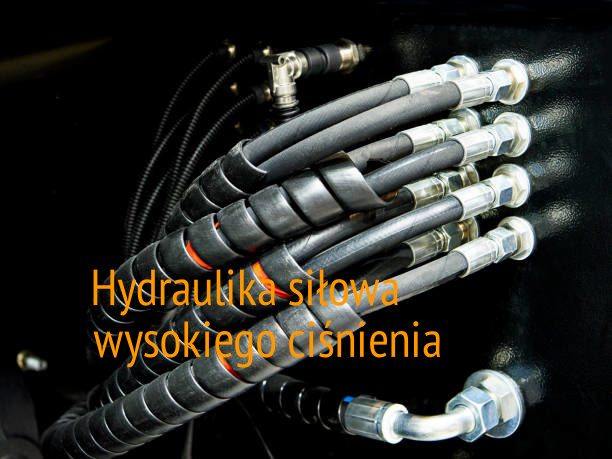
High-pressure power hydraulics
Power hydraulics high-pressure is a field of hydraulics that covers systems, components, and technologies designed to operate at very high pressures. In such systems, hydraulic oil is used as the force-transmitting medium, and pressure is generated by a hydraulic pump. High-pressure power hydraulics is used in many fields, including industry, construction, agriculture, automotive, aviation, and many others.
Here are some key aspects of high-pressure power hydraulics:
High-pressure pumps: In high-pressure power hydraulics systems, special pumps capable of generating high pressures are used. These can be piston pumps, gear pumps, screw pumps, or other types of pumps optimized for operation in high-pressure hydraulic systems.
High-pressure cylinders: Hydraulic cylinders used in high-pressure power hydraulics must be appropriately reinforced and designed to withstand heavy loads and pressures. They can be piston cylinders, telescopic cylinders, diaphragm cylinders, or other types of cylinders adapted to work in high-pressure conditions.
High-pressure fittings: In high-pressure power hydraulics systems, specialized fittings are used that are capable of handling high pressures and ensure leak-tight connections. Couplings, pressure hoses, crimp fittings, sleeves and other fitting elements must be appropriately reinforced and adapted to work in high-pressure conditions.
Filtration and cooling: Due to heavy loads and high pressures in high-pressure power hydraulics systems, it is important to ensure proper filtration of the hydraulic oil and effective cooling. Oil filters remove contaminants and particles that can lead to component damage, while cooling systems keep the oil temperature at an appropriate level, preventing overheating.
Safety: Due to high pressures, high-pressure power hydraulics systems must be designed and used according to safety guidelines. Proper procedures must be followed, safety devices such as safety valves must be applied, and regular inspections and maintenance of the system must be conducted.
High-pressure power hydraulics enables the transmission of high forces and torques with minimal energy consumption, making it an attractive option in many applications requiring precision and efficiency. However, it should be remembered that working with such systems requires proper training and safety awareness.