Pipe flaring
Produkty z kategorii
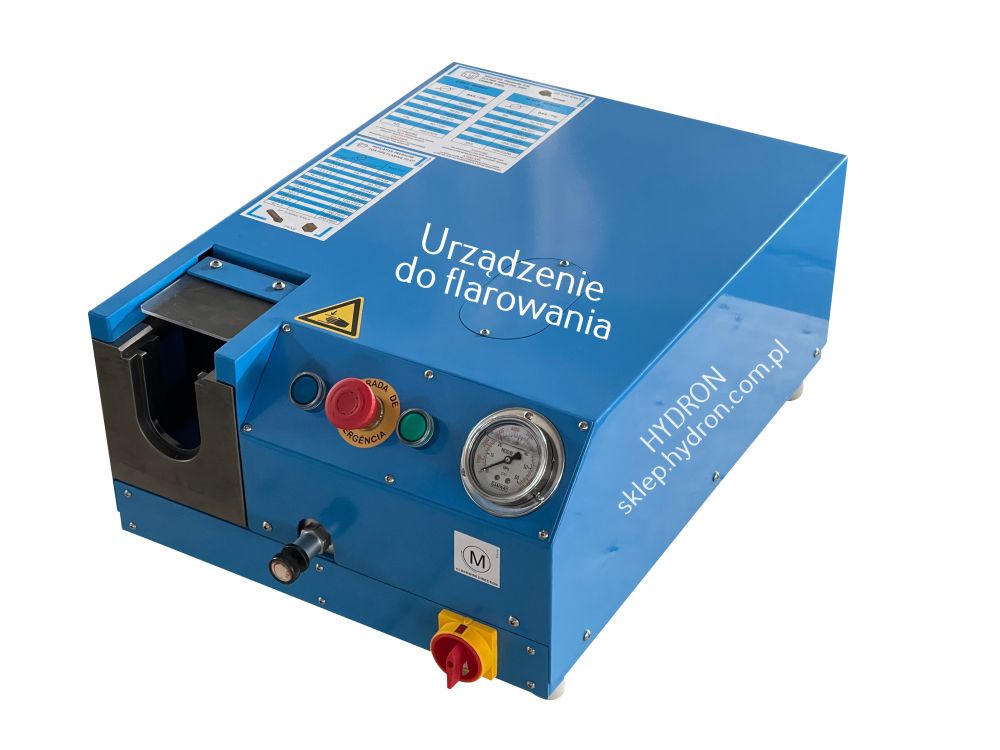
Device for flaring and expanding hydraulic pipes
Pipe flaring device ( 37 degrees )
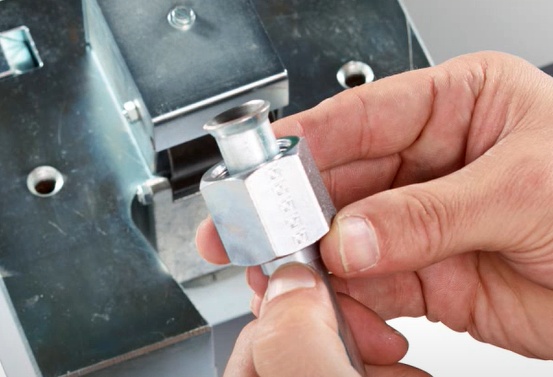
In 2022, we will present you with new devices for precision pipe processing. Among the new machines is a device designed for flaring pipes at a 37-degree angle ( for American UNF connections ) The device enables flaring of hydraulic tubes and thus the creation of a UNF cone.
Technical parameters of the pipe flaring device :
- Model name : SAMWAY 37 DEGREE FLARING
- Designed for flaring pipes in sizes : from 6 to 42x4 mm (0.236''>1.654''x0.158'')
- Pipe material : ST 37.4 galvanized precision pipe, AISI 316 TI stainless steel pipe
- Device weight : 58 KG (128 Lbs)
- Device dimensions L x W x H 430x600x270 mm (16.929''x23.622''x10.630'')
- Power supply : 400V 50HZ 3PH
- Motor : 0.75 Kw (1 Hp)
- Oil included
- Optional :
- 37 FLARING BLOCK (option)
- TOOL HOLDER (option)
- 12V VOLTAGE (option)
- Catalog sheet for the tube flaring device
Hydraulic pipe flaring
Pipe and cone flaring refers to the process of shaping the end of a pipe to create a cone, which is used for connection with other elements, such as threaded connectors or hydraulic hoses. Flaring is often used in hydraulic, refrigeration, air conditioning, and other piping systems. Here is some basic information about pipe and cone flaring: Pipe flaring occurs by expanding the end of the pipe into a cone. There are various flaring methods, such as mechanical flaring, hydraulic flaring, or flaring using special tools. This process allows for the creation of a cone of the appropriate shape and size, which is essential for the proper connection of pipes with other system components. Single- and double-layer flares: Pipe flaring can be single- or double-layered, depending on the requirements and type of application. Single-layered flares are most commonly used in hydraulic connections and provide a good seal and strength. Double-layered flares are more advanced and used in more demanding applications, such as the petrochemical or oil industry. Flaring cones: Flaring cones are special elements placed on the ends of pipes before flaring. These cones have the appropriate shape and size matched to the fittings in which the pipes will be used. There are many different types of flaring cones, such as 37° cones, 45° cones, 90° cones, etc., which are used depending on the specific application. Flaring tools: Special tools, such as flaring tools or hydraulic flaring machines, are used for pipe and cone flaring. These tools enable precise and effective flaring of pipes to obtain the exact shape and dimension of the cone.
Steel pipe flaring
Pipe and cone flaring is an important process in the construction and maintenance of various piping systems. Precise and properly executed flares are essential to ensure a durable and reliable pipe connection and proper medium flow through the system. When flaring, appropriate standards and guidelines should always be followed, and the correct tools and techniques should be used to ensure the safety and effectiveness of the process.
Stainless steel pipe flaring
Pipe flaring is a technological process involving the formation of a so-called "flare" at one end of a pipe made of chrome-nickel, steel, or another metal such as aluminum, titanium, etc. As a result, the end of the pipe gains an expansion or special shape that allows for subsequent connection with another element – for example, by inserting a second pipe, using a coupling, sleeve, or welding. Hydron's offer includes pipe flaring devices suitable for working with stainless steel pipes, steel and other types of metal, allowing for universal solutions in manufacturing and service companies.
What do flaring devices enable
Devices designed for pipe flaring allow for precise tube end preparation in a fast, repeatable, and controlled manner. They are designed to work with various types of pipes — both stainless steel pipes and standard steel pipes or other metal alloys. This makes it possible to: form flares in stainless steel pipes, which are characterized by higher hardness and resistance to deformation; use the same devices or set of dies for steel pipes and other types — which minimizes the need for many different machines; obtain repeatable flared connections with the required geometry, affecting the quality of assembly, tightness, and durability of the installation.
Practical application of the flaring device
Pipe flaring machines are used in many industries: in the chemical and petrochemical industry, where stainless steel pipes are the standard; in refrigeration and air conditioning installations; in hydraulic and pneumatic systems where steel and stainless steel pipes are connected long- and short-term; in the construction of steel structures, containers, and in many other industrial applications. Thanks to the possibility of flaring all types of pipes, it is possible to maintain technological consistency in the plant — without having to use many machines dedicated to only one pipe material.
Benefits of using professional flaring devices
Using high-quality flaring devices in a company brings several benefits: increasing production efficiency and reducing the time to complete a single flared connection; improving execution quality – the device controls the process and minimizes manual errors; applicability in various materials – stainless, steel, and others, making the solution universal; building the brand image as a professional partner in the industry – which fits into Hydron's strategy, emphasizing quality, reliability, and technical support.
Pipe flaring
Pipe flaring is a technique for processing tube ends, aimed at their controlled expansion. This makes it possible to prepare the pipe for connection with assembly elements requiring a perfect fit. This method is used wherever the installation must maintain tightness and resistance to varying operating pressure. Flaring is the process of forming the pipe edge in a way that allows for a tight connection without the use of soldering. This solution is valued for its reliability and precision, especially in the assembly of installations that must operate within high technical requirements. A properly made flare is responsible for the stability and durability of the entire system.
Air conditioning pipe flaring
Air conditioning pipe flaring concerns the preparation of lines transporting refrigerant. Flare-type fittings, which require a precisely shaped end, are used for connections. Thanks to this technology, air conditioning systems can operate without leaks, and assembly and service proceed in a predictable and safe manner. Air conditioning pipe flaring is an essential step when installing cooling systems, as it allows for the creation of connections resistant to temperature and pressure fluctuations. Proper pipe preparation ensures long-term tightness and eliminates the risk of refrigerant loss. This process is of particular importance when connecting air conditioner units and during subsequent system maintenance.
Copper pipe flaring
Copper pipe flaring is performed on a material that, thanks to its plasticity, yields perfectly to forming. Copper allows for a smooth, even flare surface, which translates into precise fitting of connectors. This technique is used in air conditioning, heat pumps, and refrigeration, where the durability and tightness of connections are particularly important. Flaring copper tubes allows for the shape necessary to work with connectors used in cooling systems. A tube formed in this way gains the possibility of a secure connection without additional joining methods. This ensures full system tightness and facilitates service, making this method common in the assembly of modern air conditioning systems.
Steel pipe flaring
Steel pipe flaring requires the use of stronger tools because this material is characterized by higher hardness and strength. Steel pipes prepared in this way are used in installations with increased operating parameters, including industrial and hydraulic systems. This allows for the creation of structures capable of working under high loads.
Gallery: