




Need help? Have a question? Call our sales team



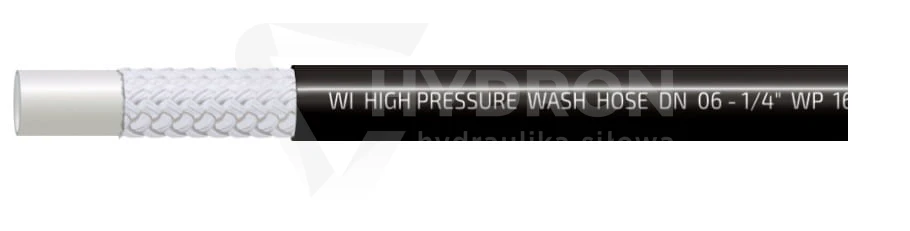
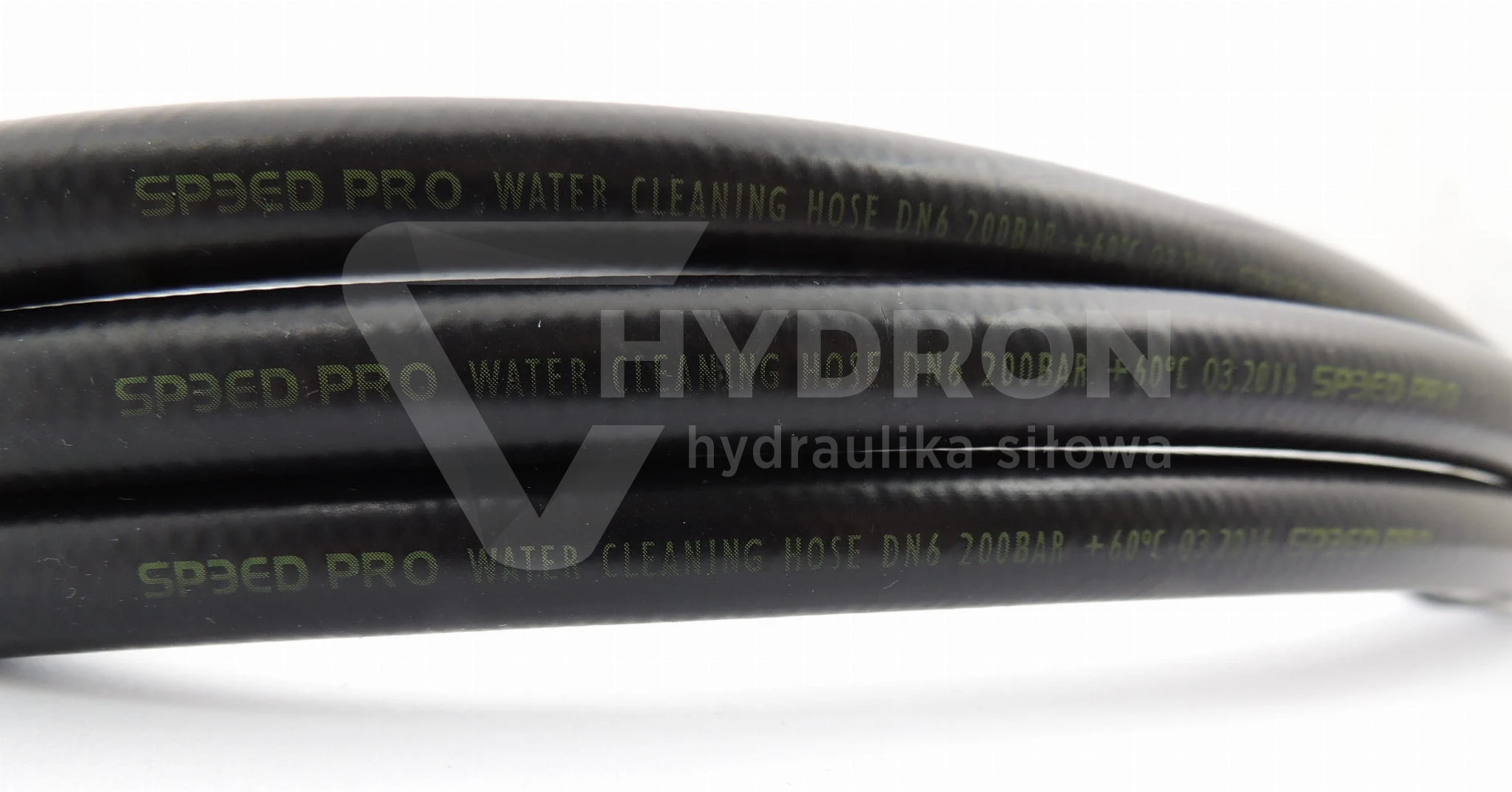


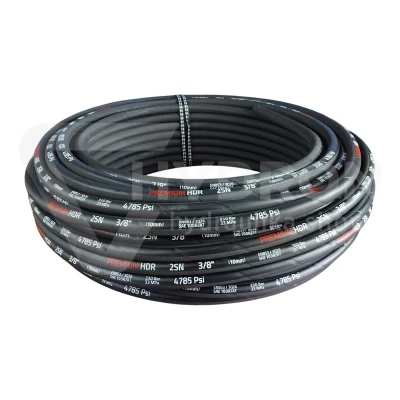
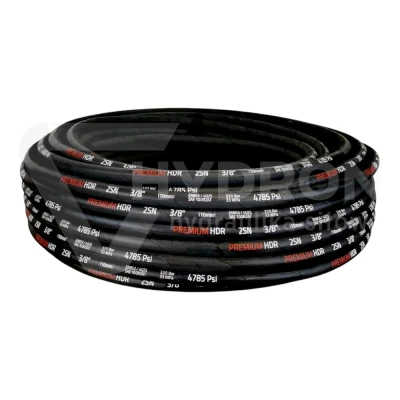
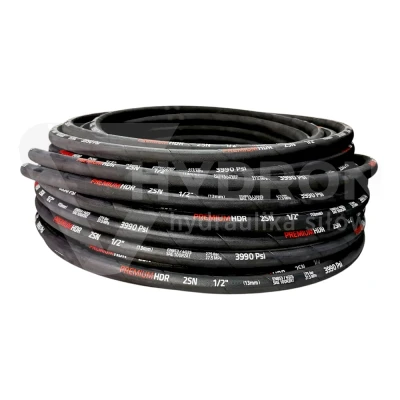
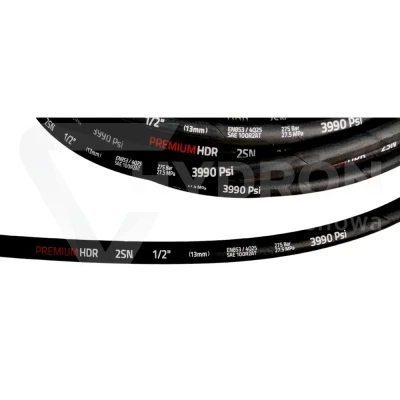
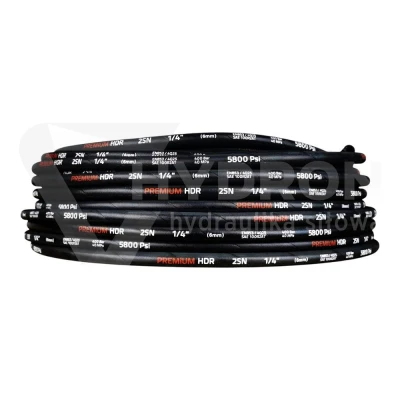
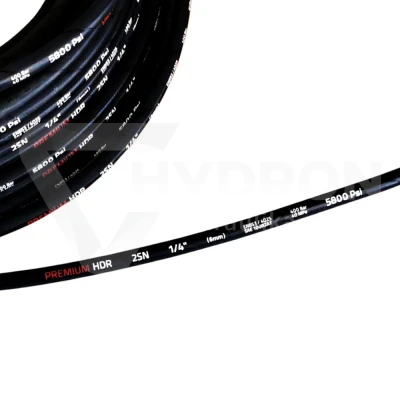
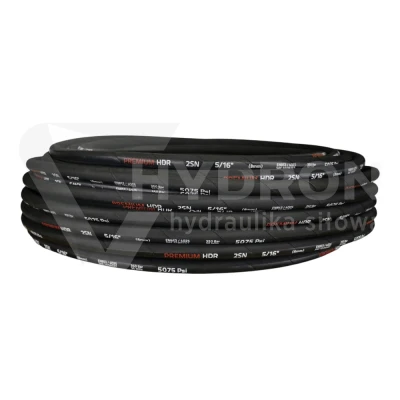
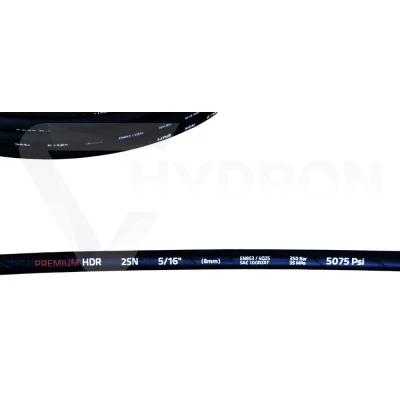
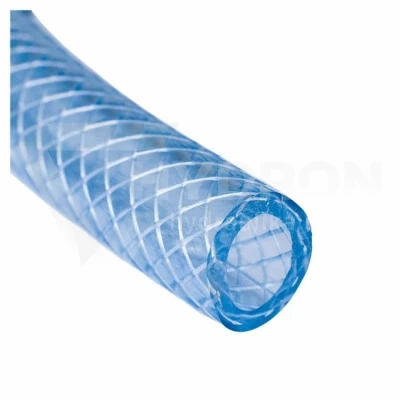
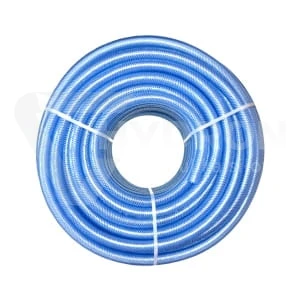
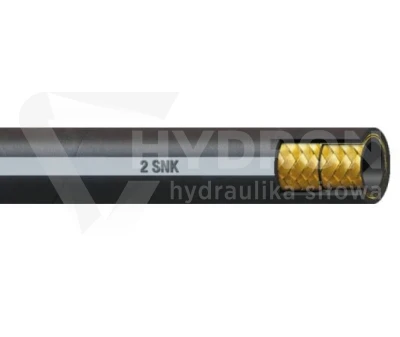
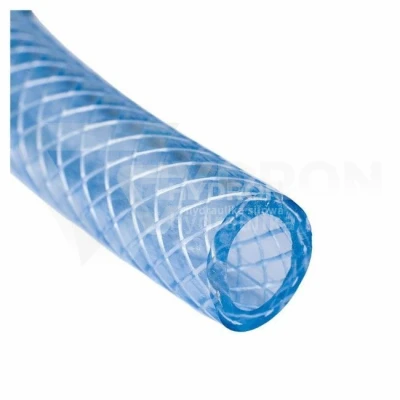
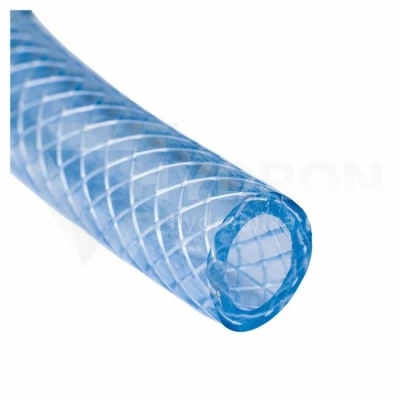
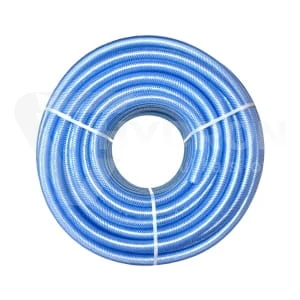
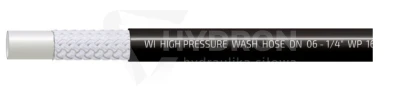
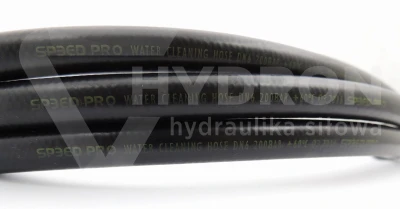
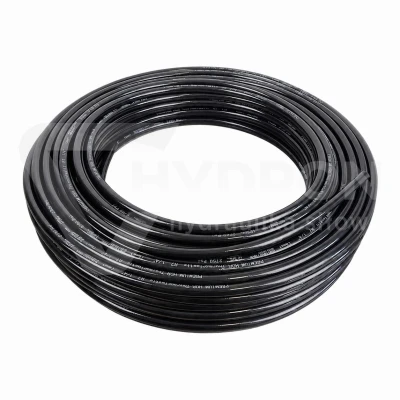
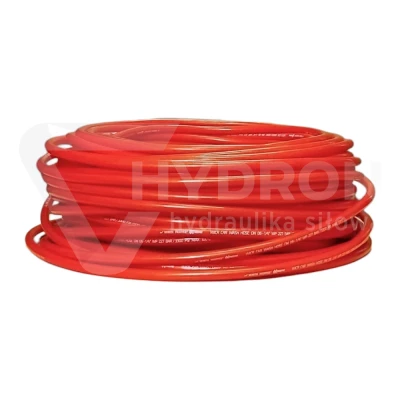
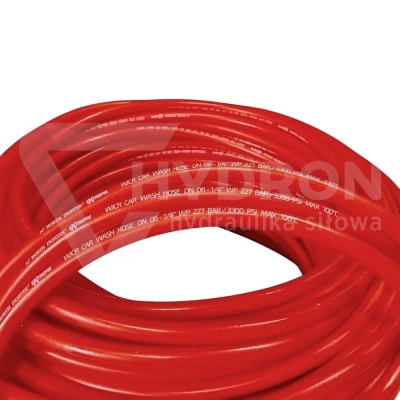
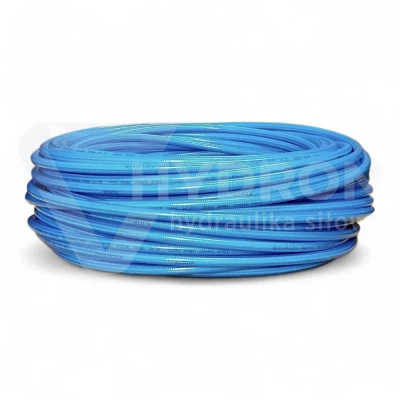
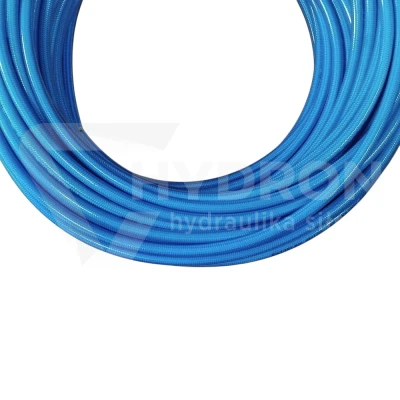
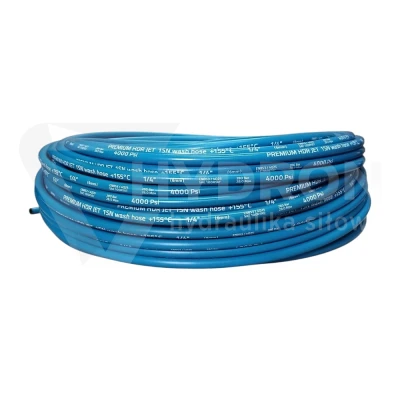
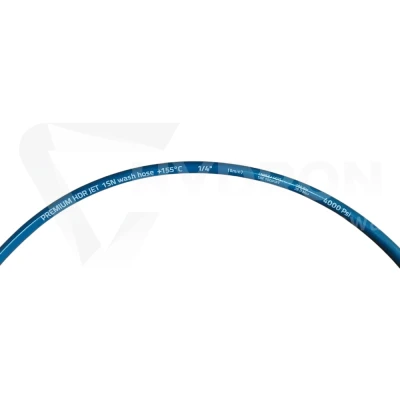
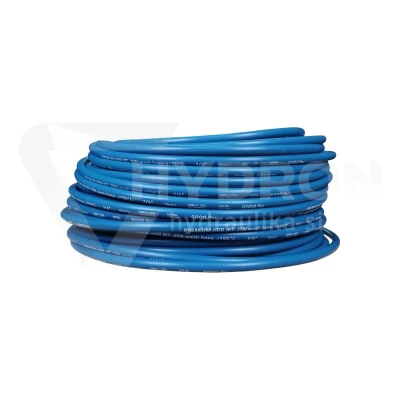
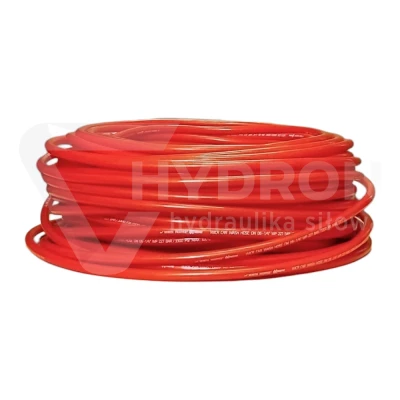
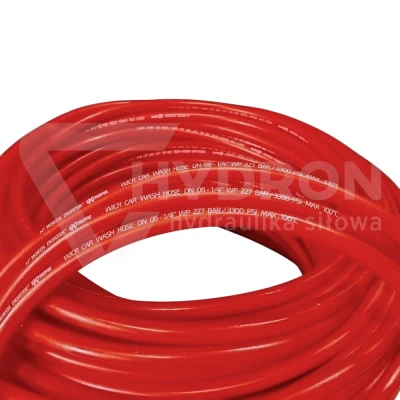
Thermoplastic hose for pressure washer DN06 160BAR 60° Black
Leave feedback on the product

Shipping costs are not included in the price.
Shipping costs are not included in the price.
Do darmowej dostawy brakuje Ci jedynie 100 zł
Masz darmową dostawę ✓
Product code: MYJKA DN06 R7 BLACK
Barcode: 5905009154707
Our top pick :) Our warehouse packs orders until 3:00 PM, and GLS picks them up at 5:00 PM. It’s our customers’ most popular choice and the courier that works best for us.
Shipping cost for the selected product
The shipping cost applies to this product (in the selected variant - if applicable). It may change after adding other products to the cart.
Ask about the product

Administratorem danych osobowych jest HYDRON hydraulika siłowa . Przetwarzamy je w celu przesłania odpowiedzi na zapytanie. Więcej informacji dotyczących przetwarzania danych osobowych znajduje się w polityce prywatności.
Share the product card


Description
Thermoplastic hose for pressure washer DN06 160 bar 60°
Thermoplastic hose for pressure washer is a solution that has been gaining increasing popularity in recent years among both home users and those working with pressure washers on a daily basis. The reason is simple – modern materials allow for an excellent balance between weight, flexibility, and durability. As a result, the user receives a hose that not only makes work easier but also improves the comfort and efficiency of cleaning. In practice, this means that a well-chosen thermoplastic hose for a pressure washer can realistically affect the quality of the work performed – from car washing and cleaning paving stones to more demanding tasks around the home and workshop. At the same time, it is a solution that perfectly fits the needs of people looking for lightweight, mobile, and easy-to-use equipment.
What is a thermoplastic hose for a pressure washer and how does it differ from a rubber one?
A thermoplastic hose for a pressure washer is a hose made of modern plastics characterized by high mechanical resistance while maintaining low weight. Unlike classic rubber hoses, it does not use heavy rubber layers, but special polymer blends reinforced with synthetic fiber. This construction makes the hose significantly lighter and easier to lay. During work, it does not feel heavy, does not "drag" on the surface, and twists much less frequently. For the user, this means greater control over the lance and less fatigue during longer cleaning sessions. Differences are also visible in daily use. A rubber hose, especially in lower temperatures, can stiffen and make maneuvering difficult. A thermoplastic hose maintains greater flexibility, which is particularly important in changing weather conditions.
Why a thermoplastic hose for a pressure washer improves work comfort
One of the most important aspects appreciated by users is ergonomics. In practice, working with a pressure washer often means continuous movement, changing positions and operating the hose in various directions. A heavy and rigid hose quickly becomes a limitation. In the case of a thermoplastic hose for a pressure washer, the situation is completely different. The lightweight construction makes the hose "follow" the user instead of resisting. This is especially important when washing a car, where you need to maneuver around the vehicle, and when cleaning large surfaces such as driveways or facades. Additionally, lower susceptibility to twisting means fewer interruptions in work. You don't have to constantly straighten the hose or struggle with its kinks. In the long run, this translates into real time savings and greater efficiency.
Technical parameters DN06 and 160 bar what do they mean
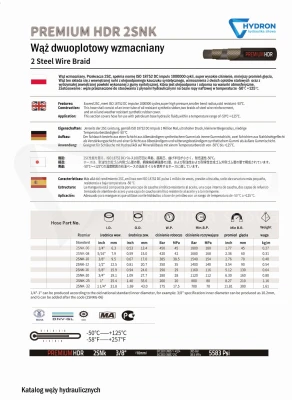
To understand what a thermoplastic hose for a pressure washer is suitable for, it is worth looking at its technical parameters. The DN06 designation refers to the internal diameter of the hose, which affects water flow and pressure stability. It is a standard often used in pressure washers, ensuring optimal performance while maintaining compact dimensions. A working pressure of 160 bar means the hose can easily handle most domestic and semi-professional applications. This range is sufficient for effectively removing dirt such as mud, dust, deposits, or even tougher contaminants from hard surfaces.
However, it is worth remembering that a thermoplastic hose for a pressure washer with these parameters works best with cold or moderately warm water. If you plan to work at higher temperatures, a better choice might be more advanced solutions available in the category of hydraulic hoses reinforced with steel braid.
Application of thermoplastic hose –what for
A thermoplastic hose for a pressure washer is a solution that fits best in applications where mobility and convenience matter. It is ideal for home use – washing cars, bicycles, garden furniture, or surfaces around the house. It also works great for cleaning paving stones and terraces, where free movement across a larger area is necessary. Thanks to its lightness, it allows you to work without feeling fatigued, which is very important for longer tasks. In a semi-professional environment, such as small workshops or service companies, this type of hose can be used for lighter work where extreme pressure or high temperature is not required.
Thermoplastic hose vs 1SN hose – when to choose which?
The choice between a thermoplastic hose and a classic 1SN hose depends primarily on the nature of the work. If convenience, mobility, and lightness are most important – a thermoplastic hose for a pressure washer will be the best choice.On the other hand, in situations where the hose is exposed to intensive use, contact with sharp surfaces or very high temperatures, steel-braided solutions work better. Such products are available in the category of pressure hoses for professional applications. In practice, many people use both solutions – a lightweight hose for daily tasks and a more durable one for special tasks.
How to choose the right thermoplastic hose for a pressure washer
Choosing the right hose should be considered and matched to the device's parameters. Maximum working pressure is key and cannot be lower than the pressure washer's capabilities. Hose length is equally important. Too short will limit the working range, while too long may cause pressure drops and make storage difficult. The optimal choice is one that meets the real needs of the user.
Compatibility with accessories also cannot be forgotten. It's worth making sure the hose fits the components you have, such as guns or lances available in the pressure washer accessoriescategory.
Maintenance and storage – how to extend service life
To ensure the thermoplastic hose for a pressure washer serves for a long time, it should be properly cared for. After finishing work, it's worth draining the hose of water and storing it in a place protected from direct sunlight. Avoiding sharp kinks and contact with edges significantly reduces the risk of damage. Although thermoplastic material is resistant, it is not completely indestructible – especially under intensive use. Regular technical inspection allows for early detection of potential damage and prevents more serious problems.
Most common mistakes when choosing a pressure washer hose
One of the most common mistakes is being guided solely by price. Cheap products often do not meet declared parameters, leading to rapid wear. Another issue is not matching the hose to the type of work. A thermoplastic hose for a pressure washer will not always be the best choice in industrial conditions – just as a heavy steel hose will not be suitable for everyday domestic use. Failing to consider fitting compatibility is another error that can generate extra costs and complications.
FAQ – Frequently Asked Questions
Is a thermoplastic hose for a pressure washer durable?
Yes, with proper use, it ensures a long service life and high resistance to damage.
Is it suitable for professional applications?
For light and medium tasks – yes. For heavy conditions, steel hoses are better.
Is a 200 bar hose sufficient for a domestic pressure washer?
Definitely yes – this is an optimal range for most applications.
Does a thermoplastic hose twist?
Significantly less often than classic rubber hoses.
How to choose the hose length?
It's best to match it to the actual working area.
Can it be used with hot water?
Only within the range allowed by the manufacturer (e.g., up to 60°C)
Product Reviews
If you've added a review and it doesn't appear on the list, it may be pending moderation.
Leave feedback on the product
Product Safety
Manufacturer
HYDRON hydraulika siłowa
Kujańska 6a
77-400 Złotów, Poland
+48 67 350 53 69 kontakt@hydron.com.pl Report a product safety issue
Responsible person in the EU
HYDRON hydraulika siłowa
Kujańska 6a
77-400 Złotów, Poland
+48 67 350 53 69 kontakt@hydron.com.pl Report a product safety issue
Related Products
-
€3.77€3.06
-
€2.46€2.00
-
€2.46€2.00
-
€3.33€2.71
-
€4.17€3.39
Other Products in This Category
-
€2.46€2.00
-
€93.86€76.30
-
€93.86€76.30
-
€2.46€2.00
-
€2.46€2.00
Bestsellers
-
€4.80€3.90
-
€5.14€4.18
-
€0.23€0.19
-
€3.43€2.79
-
€4.45€3.62
-
€1.20€0.97
-
€4.72€3.84
-
€0.42€0.34
-
€0.42€0.34
-
€2.59€2.10
-
€1.03€0.84
-
€1.29€1.05