



Need help? Have a question? Call our sales team



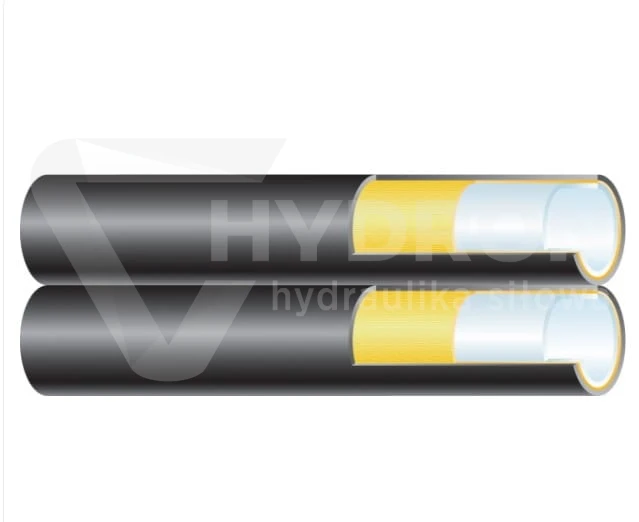
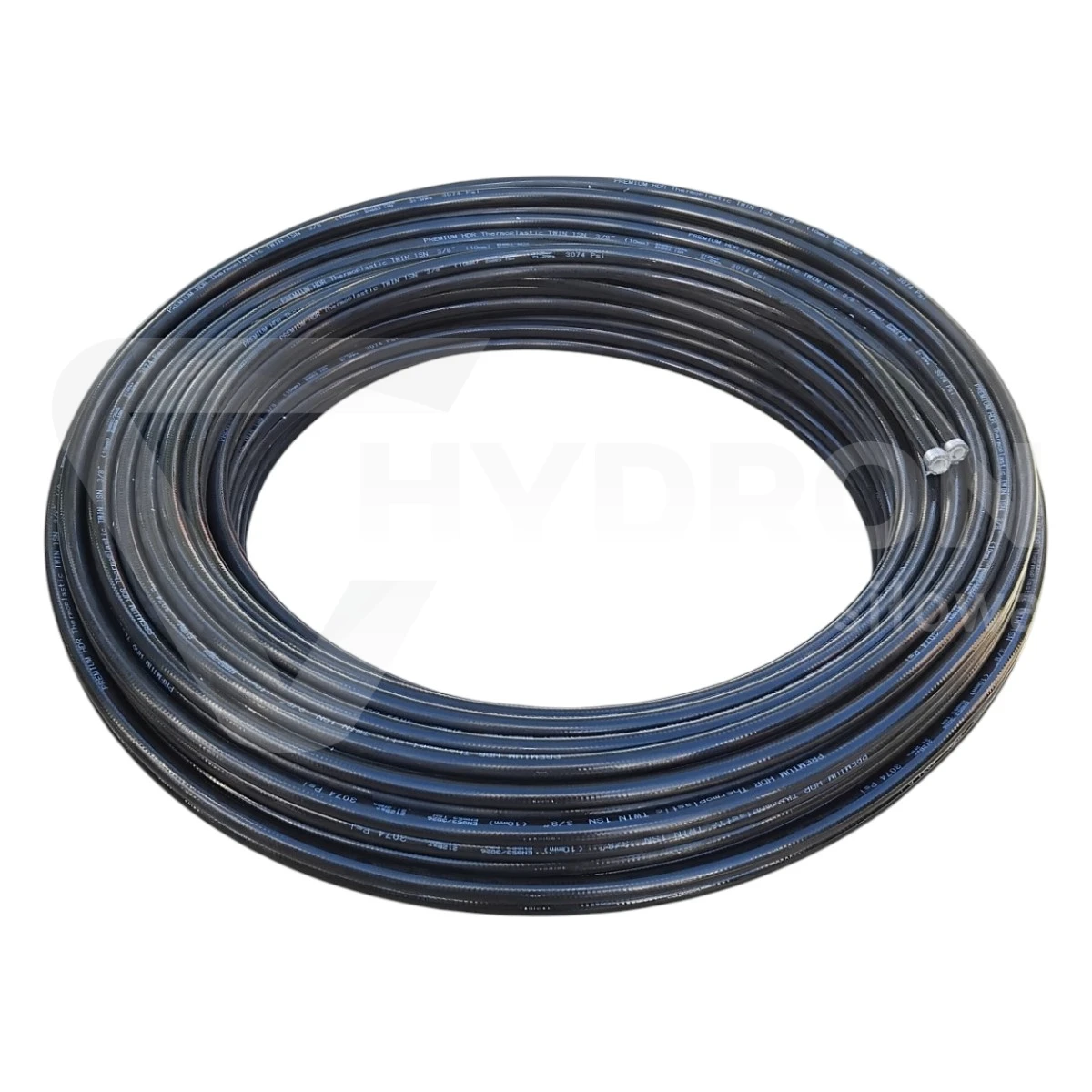
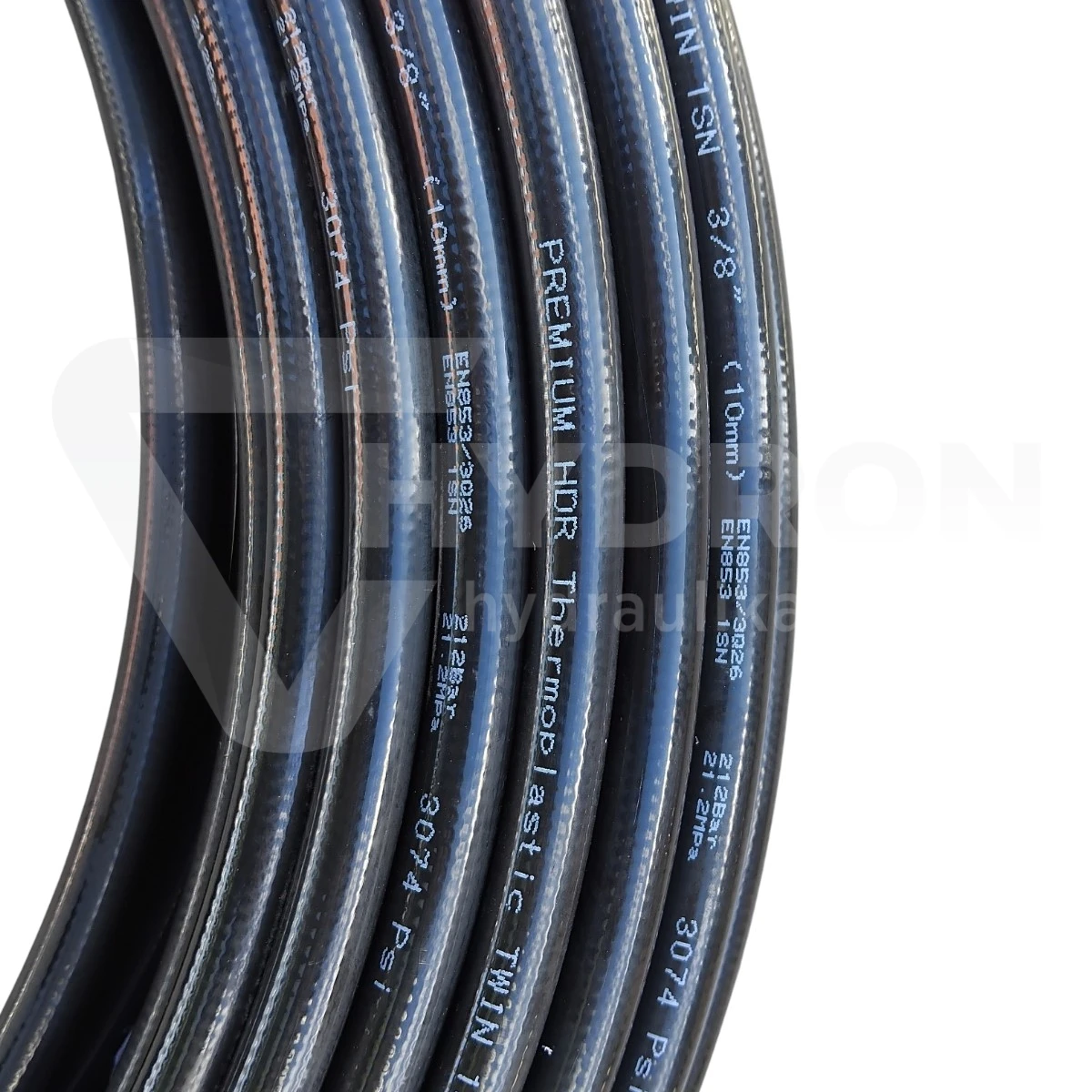
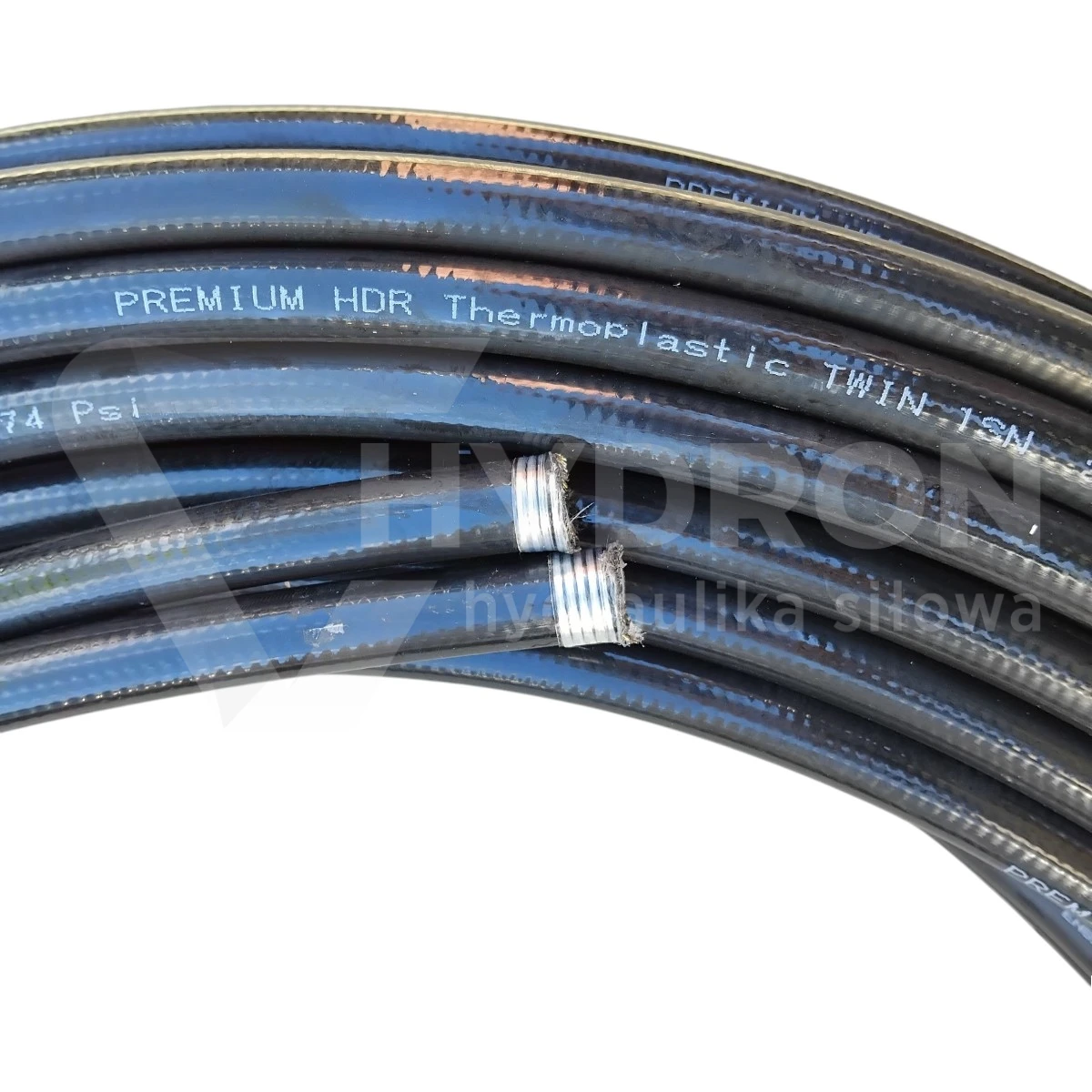
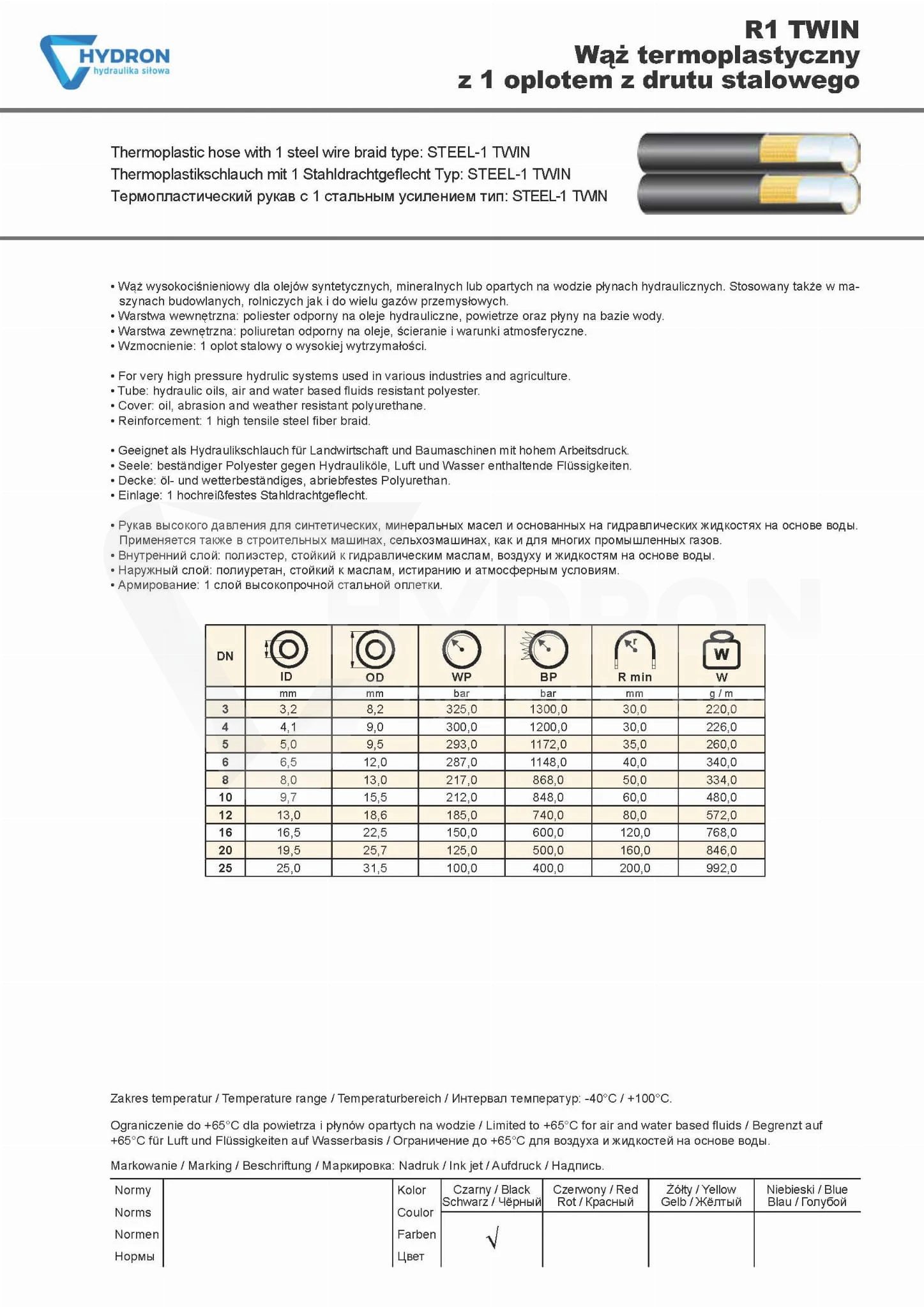


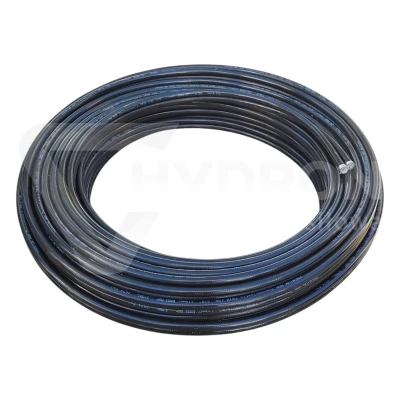
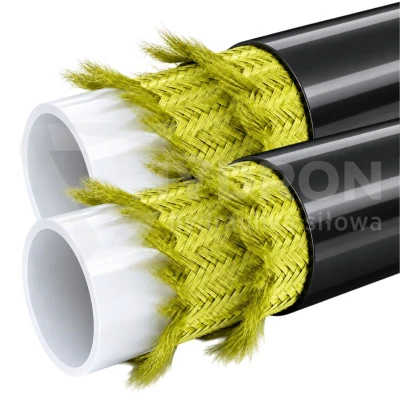
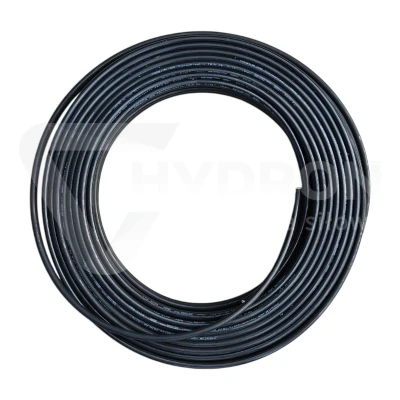
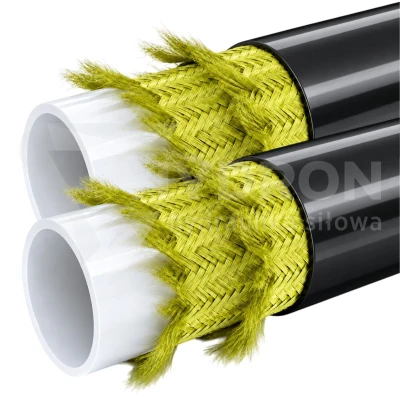
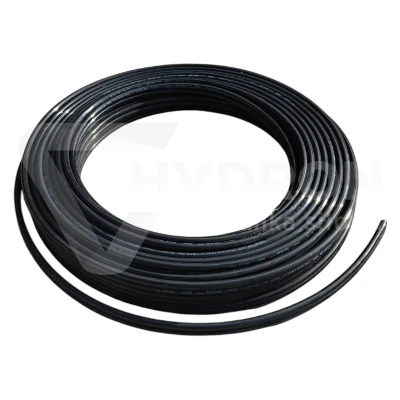
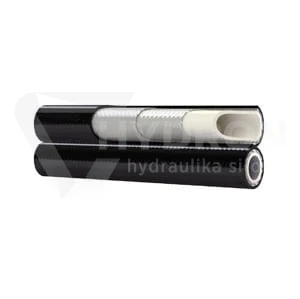
Thermoplastic TWIN hose R1 DN10 212BAR
Leave feedback on the product

Shipping costs are not included in the price.
Shipping costs are not included in the price.
Do darmowej dostawy brakuje Ci jedynie 100 zł
Masz darmową dostawę ✓
Product code: TERMOPLAST DN10 R1 T
Barcode: 5905009154912
Our top pick :) Our warehouse packs orders until 3:00 PM, and GLS picks them up at 5:00 PM. It’s our customers’ most popular choice and the courier that works best for us.
Shipping cost for the selected product
The shipping cost applies to this product (in the selected variant - if applicable). It may change after adding other products to the cart.
Ask about the product

Administratorem danych osobowych jest HYDRON hydraulika siłowa . Przetwarzamy je w celu przesłania odpowiedzi na zapytanie. Więcej informacji dotyczących przetwarzania danych osobowych znajduje się w polityce prywatności.
Share the product card


Description
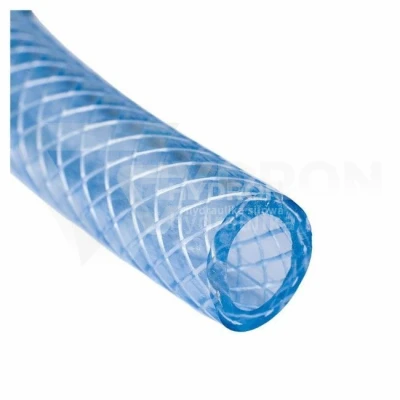
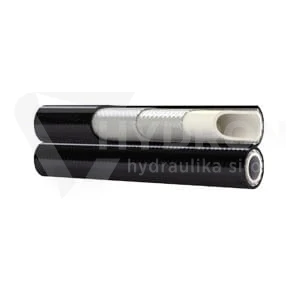
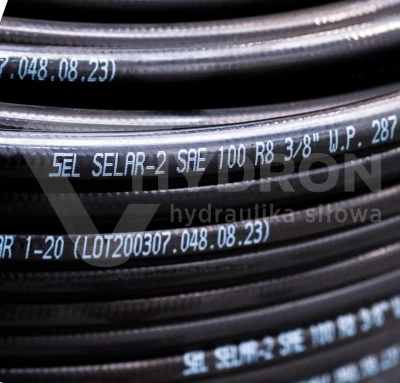
TWIN R1 DN10 3/8" 212 bar thermoplastic hose – twin
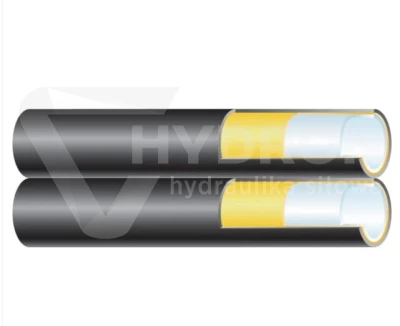
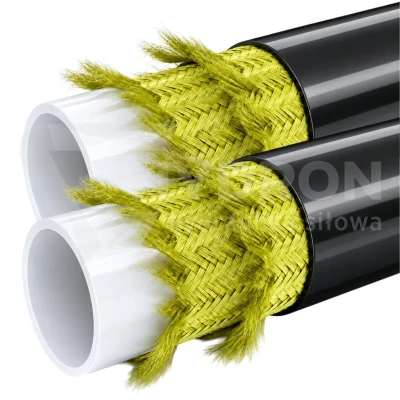
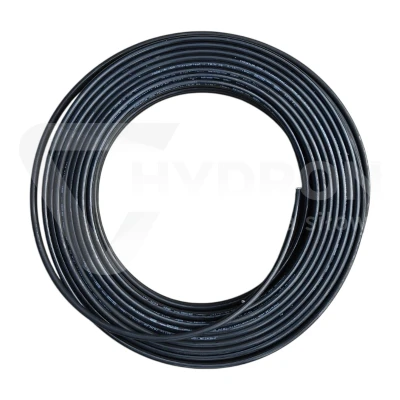
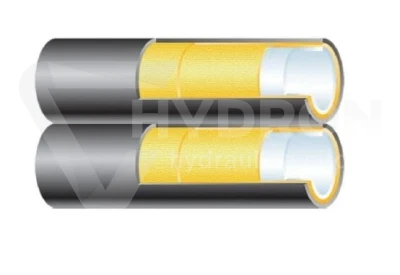
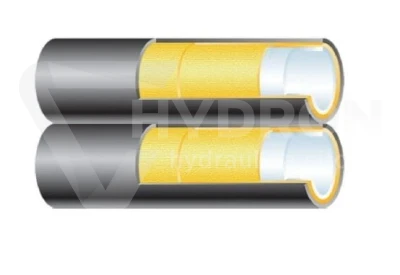
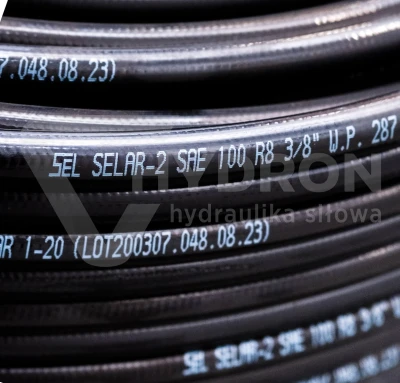
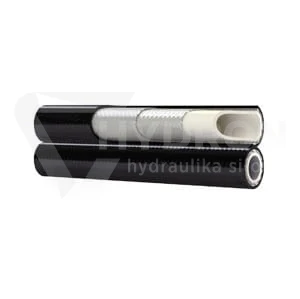
The TWIN R1 DN10 thermoplastic hose is a double hydraulic line, also known as a twin hose. It consists of two parallel-connected lines with a nominal diameter of DN10 (3/8"), creating a compact design intended for running two independent hydraulic lines. The maximum working pressure is 212 bar. The TWIN solution makes it easier to organize installations, especially in machines equipped with moving hydraulic units. The thermoplastic construction works well in applications requiring flexible hose routing while reducing the number of separately mounted hoses.
Technical parameters of the TWIN R1 DN10 hose
- Hose type: TWIN thermoplastic hydraulic twin hose.
- Design designation: R1.
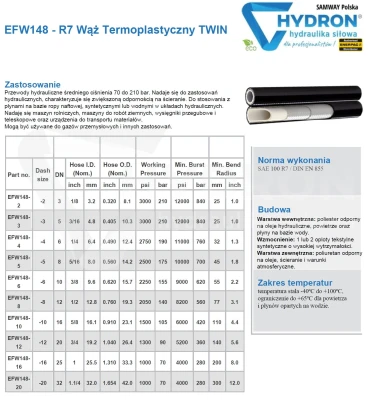
- Nominal diameter: DN10 (3/8") for each line.
- Maximum working pressure: 212 bar.
- Construction: two parallel-connected hydraulic lines.
- Application: hydraulic power systems requiring parallel routing of two lines.
Application of twin hoses in hydraulic power
The TWIN R1 DN10 thermoplastic hose is designed for making double hydraulic connections in machines and equipment. Two lines connected into one structure can handle independent system lines, for example, supplying and discharging oil from a hydraulic receiver. Using a twin hose allows both lines to be run next to each other, without the need to lay each hose separately along the entire length of the installation.
TWIN lines are used, among others, in hydraulic systems of lifts, aerial platforms, forklifts and equipment with moving working elements. Their construction can facilitate routing installations along masts, booms and other machine elements where controlling the path of the lines is important. The selection of a specific hose should take into account the machine's operation method, required pressure and installation conditions.
The nominal diameter DN10 corresponds to the 3/8" size. Each of the two lines of the hose forms a separate flow channel, so the flow rate and pressure loss should be considered separately for each hydraulic line when selecting. The TWIN hose is not a single line with a double cross-section, but two independent lines combined into one construction.
Thermoplastic construction and advantages of the TWIN system
The twin construction reduces the need to run two hydraulic hoses separately. In installations with moving receivers, it allows for organized hose routing and facilitates planning their mounting. This is particularly important in machines where the hoses move along with the boom, mast or another working element.
Thermoplastic hydraulic hoses are a design alternative to traditional rubber hoses. When selecting them, the material of the inner layer, type of reinforcement, cover resistance and required working conditions should be considered. Individual types of thermoplastic hoses can vary significantly in allowable pressure, temperature and the method of fitting assembly.
The maximum working pressure of the TWIN R1 DN10 hose is 212 bar. Before using the hose, the pressure occurring in both hydraulic lines and the requirements of the entire system must be verified. In the case of installations exposed to frequent pressure surges, selecting a hose based on dynamic load characteristics is also important.
Routing and mounting of the twin hose
During the installation of the TWIN hose, sufficient space must be provided for both connected lines. The hose should be routed without excessive twisting or bending. Należy również unikać kontaktu z ostrymi krawędziami oraz miejscami, w których podczas pracy maszyny mogłoby dochodzić do intensywnego tarcia o elementy konstrukcyjne.
When making a complete hydraulic hose assembly, it is necessary to select fittings and ferrules suitable for the actual construction of the thermoplastic hose. Crimping parameters should correspond to the set of components used. Ferrules or crimper settings intended for steel-braided rubber hydraulic hoses should not be used automatically.
In places where the two lines must be connected to separate ports, the ends of the hose should be properly prepared. Separating the joined hoses should be done without damaging the structural layers of either line. Damaging the outer cover or reinforcement may reduce the safety of the finished connection.
Selection of other types of TWIN thermoplastic hoses
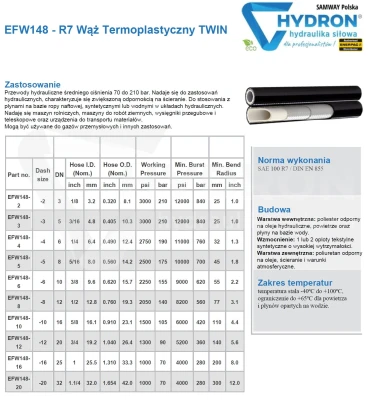
TWIN hydraulic hoses are available in various design versions, including those with textile, aramid and steel reinforcement. Individual versions are intended for different working conditions. When choosing a different type of twin hose, compare the working pressure, diameter, external dimensions, minimum bend radius and compatibility with hydraulic fittings.
Other designs and sizes are available in the category TWIN thermoplastic hoses – twin lines. Choosing a replacement line should always take into account the requirements of the specific installation, as the same nominal diameter does not mean identical technical parameters.
Why choose the TWIN R1 DN10 thermoplastic hose?
- Two parallel hydraulic lines combined into one construction.
- Nominal diameter DN10 (3/8") for each line.
- Maximum working pressure 212 bar.
- Twin construction making it easier to organize the hydraulic installation.
- Can be used for running two independent hydraulic lines.
- A solution suitable for consideration in machines with moving hydraulic units.
- Possibility of making a complete hydraulic assembly with properly selected fittings.
Technical specification
| Technical parameter | Value |
|---|---|
| Product type | Thermoplastic hydraulic twin hose |
| Construction | TWIN – two connected lines |
| Type designation | R1 |
| Nominal diameter of a single line | DN10 (3/8") |
| Maximum working pressure | 212 bar |
| Number of independent lines | 2 |
| Primary application | Hydraulic power systems |
Frequently Asked Questions (FAQ)
What does TWIN mean in a hydraulic hose name?
TWIN refers to a twin construction consisting of two parallel-connected lines. Each line forms a separate hydraulic line, and their union facilitates joint routing in the installation.
What is the working pressure of the TWIN R1 DN10 hose?
The maximum working pressure is 212 bar. When making a finished hose assembly, the allowable pressure of the fittings and other connection components must also be considered.
Do both lines of the TWIN DN10 hose have a diameter of 3/8"?
Yes. The DN10 (3/8") designation applies to each of the two lines. The hose creates two independent flow channels that can be used in a properly selected hydraulic circuit.
Where are double hydraulic hoses used?
Twin hoses are used, among others, in machines with moving hydraulic components, such as lifts, aerial platforms or forklifts. They facilitate joint routing of two lines and organization of their path in the machine.
Can a TWIN R1 hose be replaced with an R7 or R8 hose?
Replacement requires comparing the technical parameters of both products, including working pressure, type of reinforcement, dimensions, minimum bend radius and fitting compatibility. The DN10 designation alone does not imply full interchangeability of different thermoplastic constructions.
Product Reviews
If you've added a review and it doesn't appear on the list, it may be pending moderation.
Leave feedback on the product
Product Safety
Manufacturer
HYDRON hydraulika siłowa
Kujańska 6a
77-400 Złotów, Poland
+48 67 350 53 69 kontakt@hydron.com.pl Report a product safety issue
Responsible person in the EU
HYDRON hydraulika siłowa
Kujańska 6a
77-400 Złotów, Poland
+48 67 350 53 69 kontakt@hydron.com.pl Report a product safety issue
Related Products
-
€8.91€7.24
-
€10.73€8.72
-
€6.66€5.41
Other Products in This Category
-
€27.07€22.01
-
€21.83€17.75
-
€14.54€11.82
-
€21.83€17.75
-
€14.55€11.83
-
€10.73€8.72
-
€6.30€5.12
-
€8.73€7.10
Bestsellers
-
€4.80€3.90
-
€5.14€4.18
-
€0.23€0.19
-
€3.43€2.79
-
€4.45€3.62
-
€1.20€0.97
-
€0.42€0.34
-
€4.72€3.84
-
€0.42€0.34
-
€2.59€2.10
-
€1.03€0.84
-
€1.29€1.05