






Need help? Have a question? Call our sales team



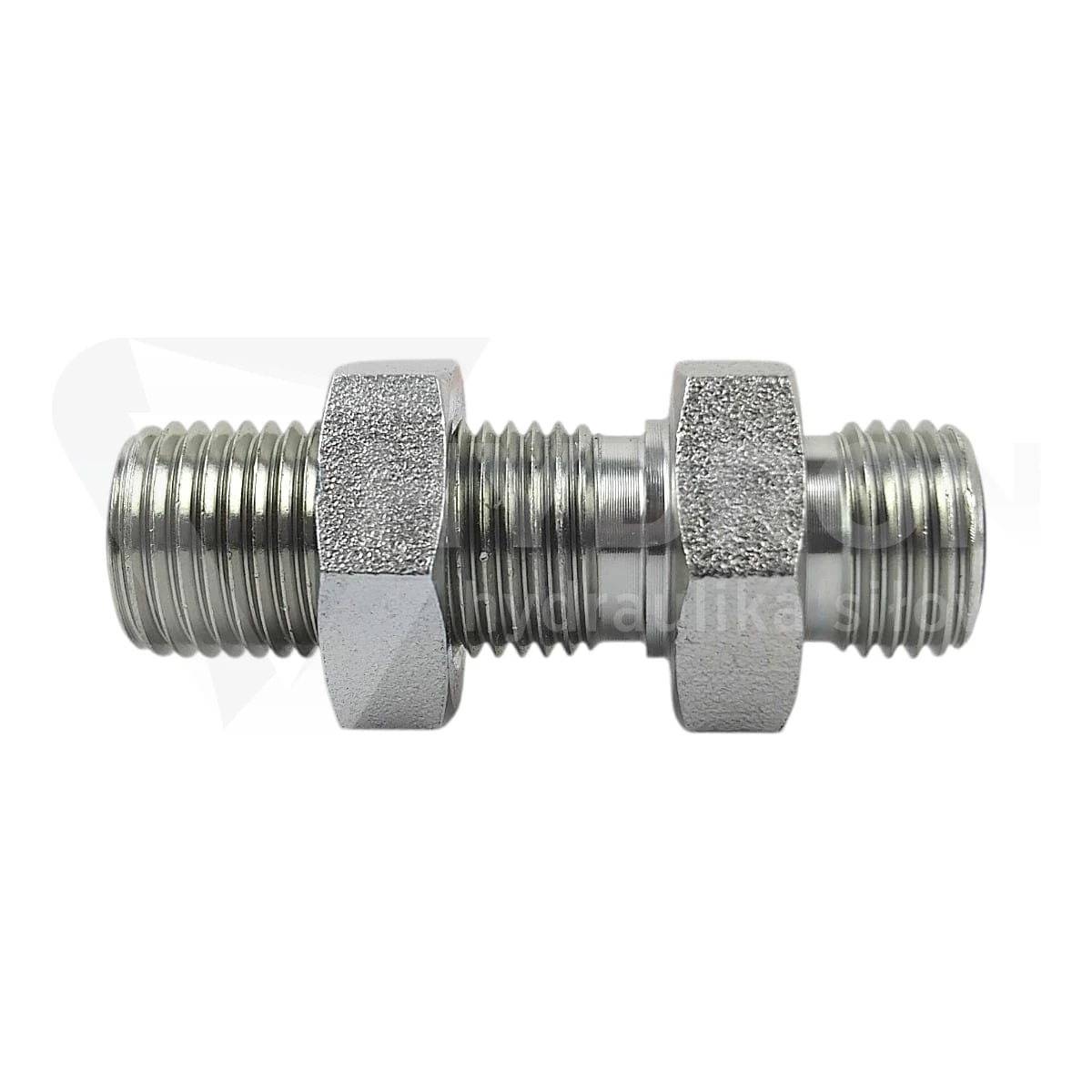
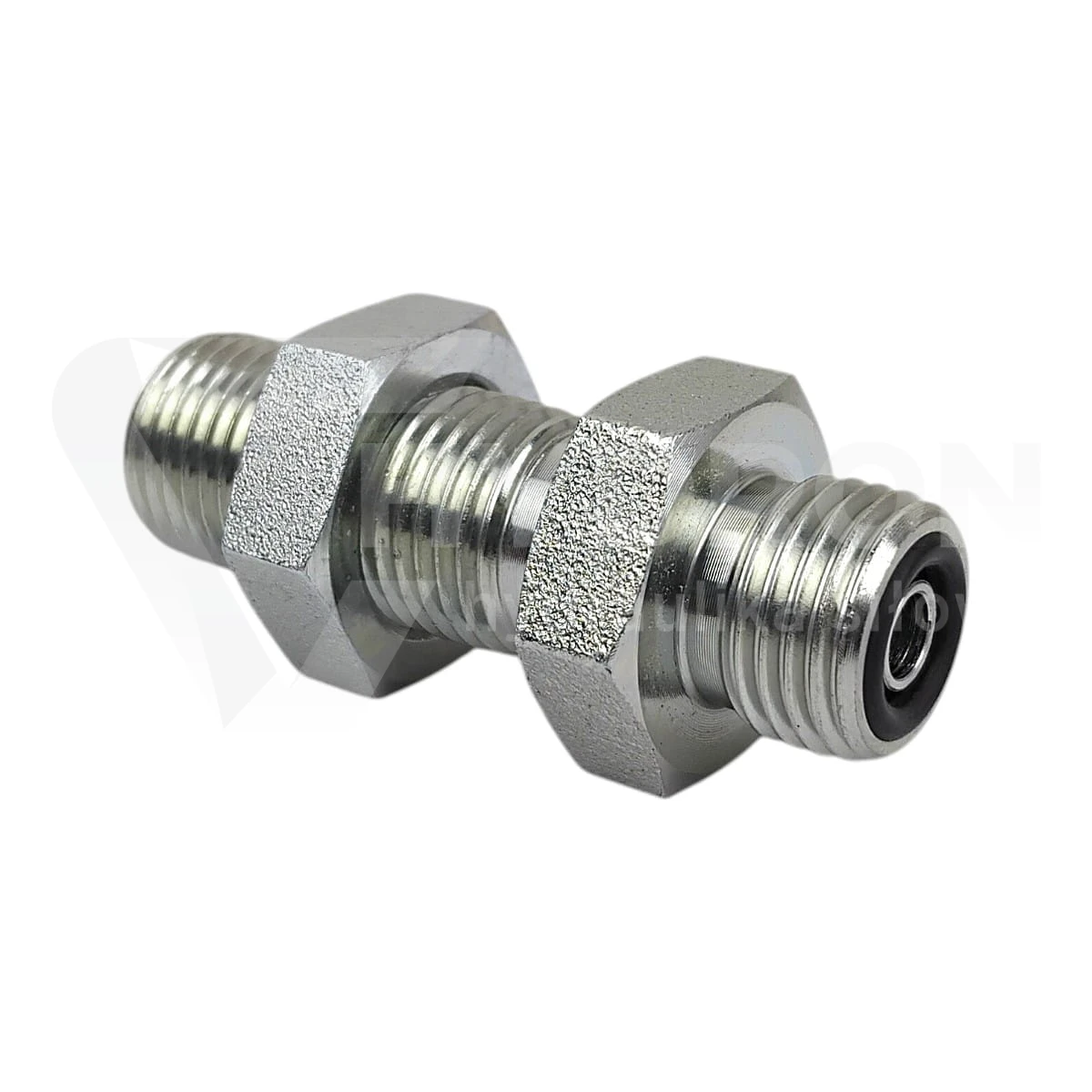
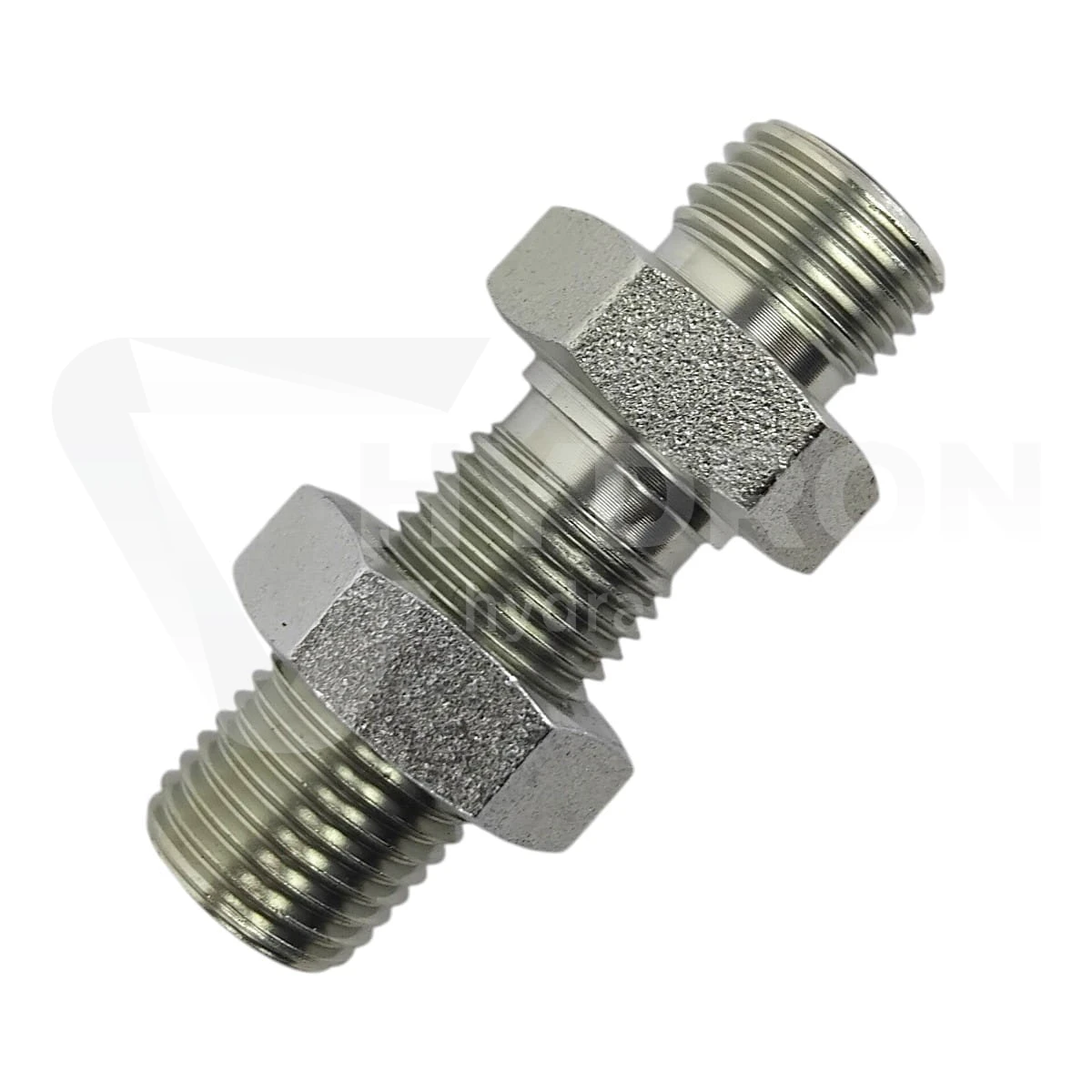
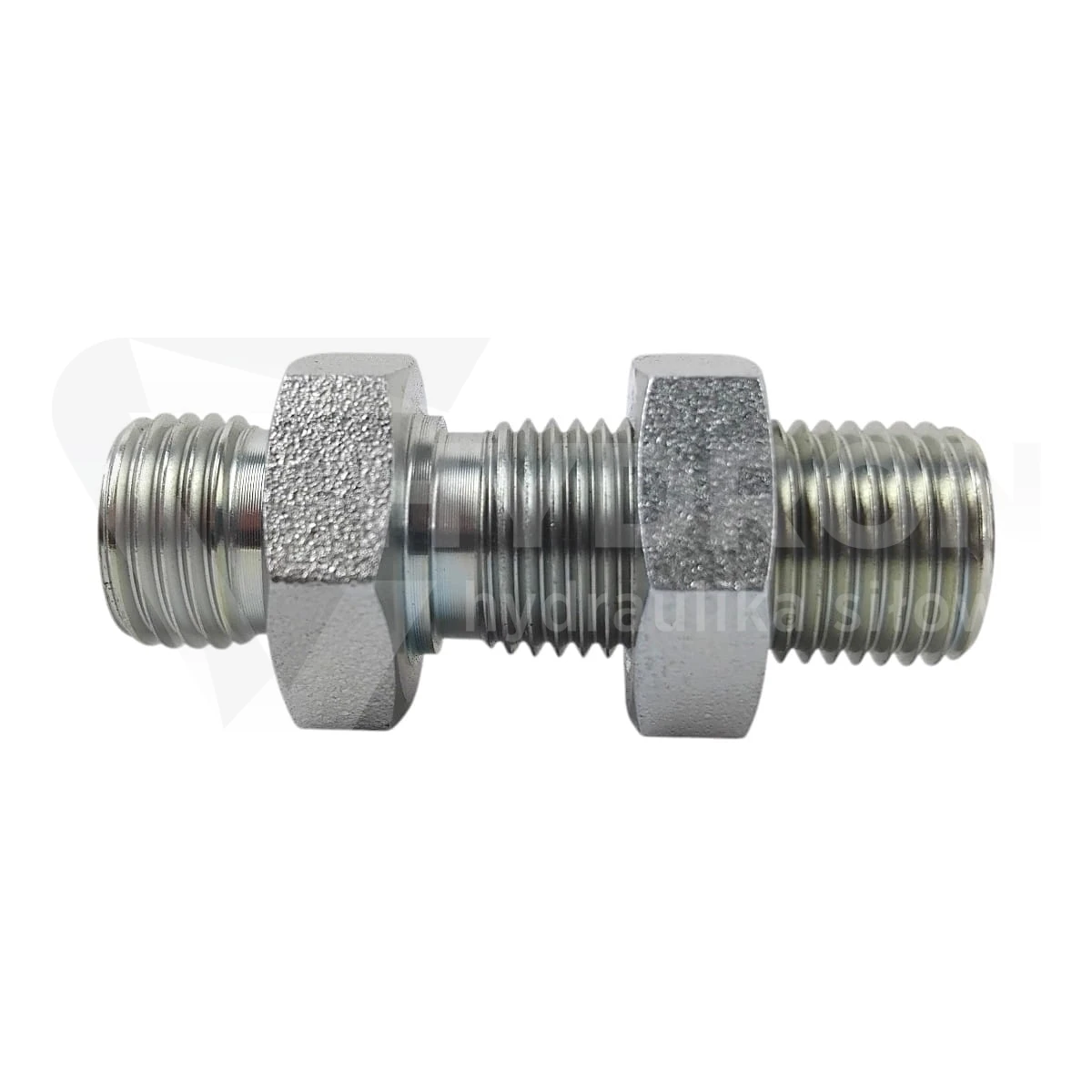
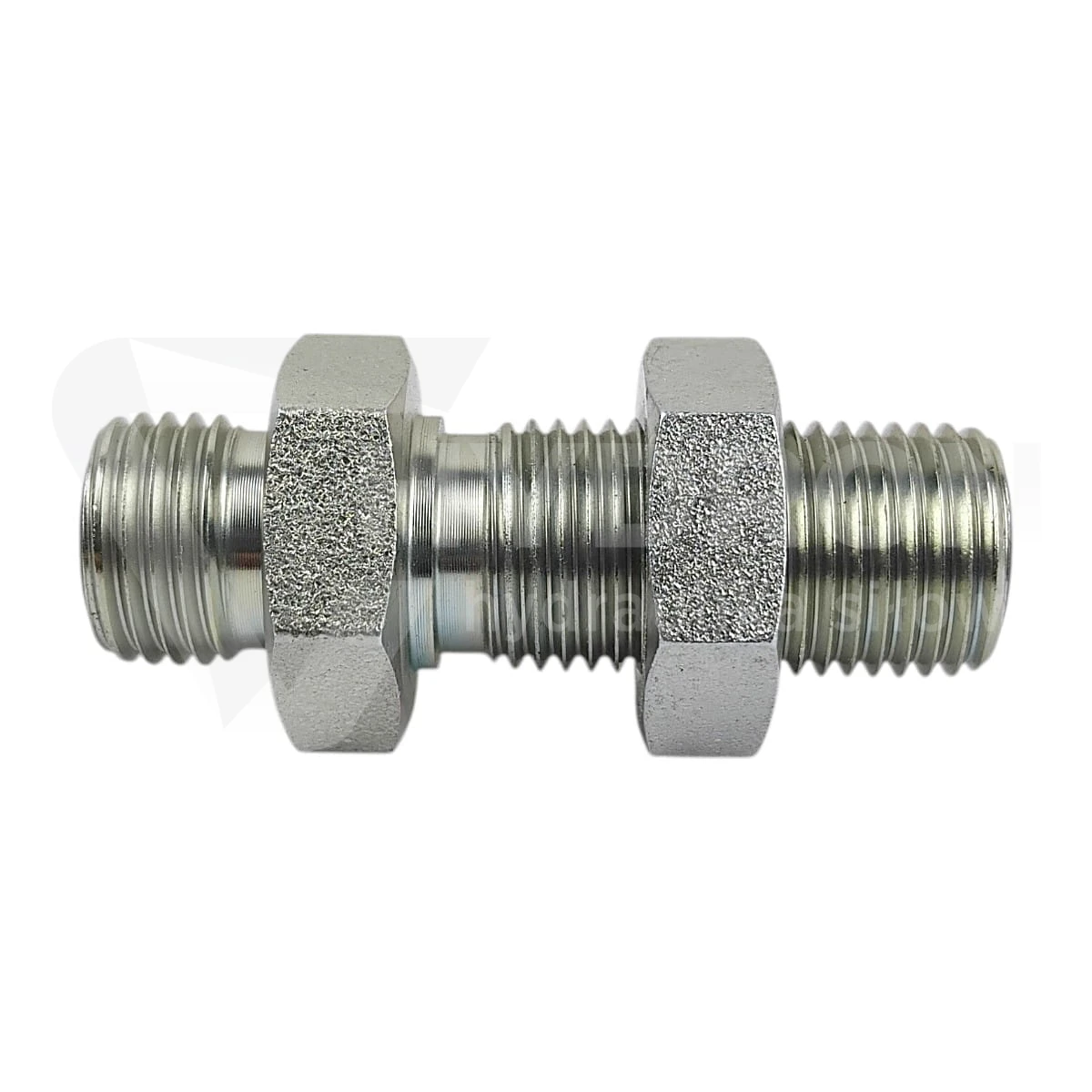
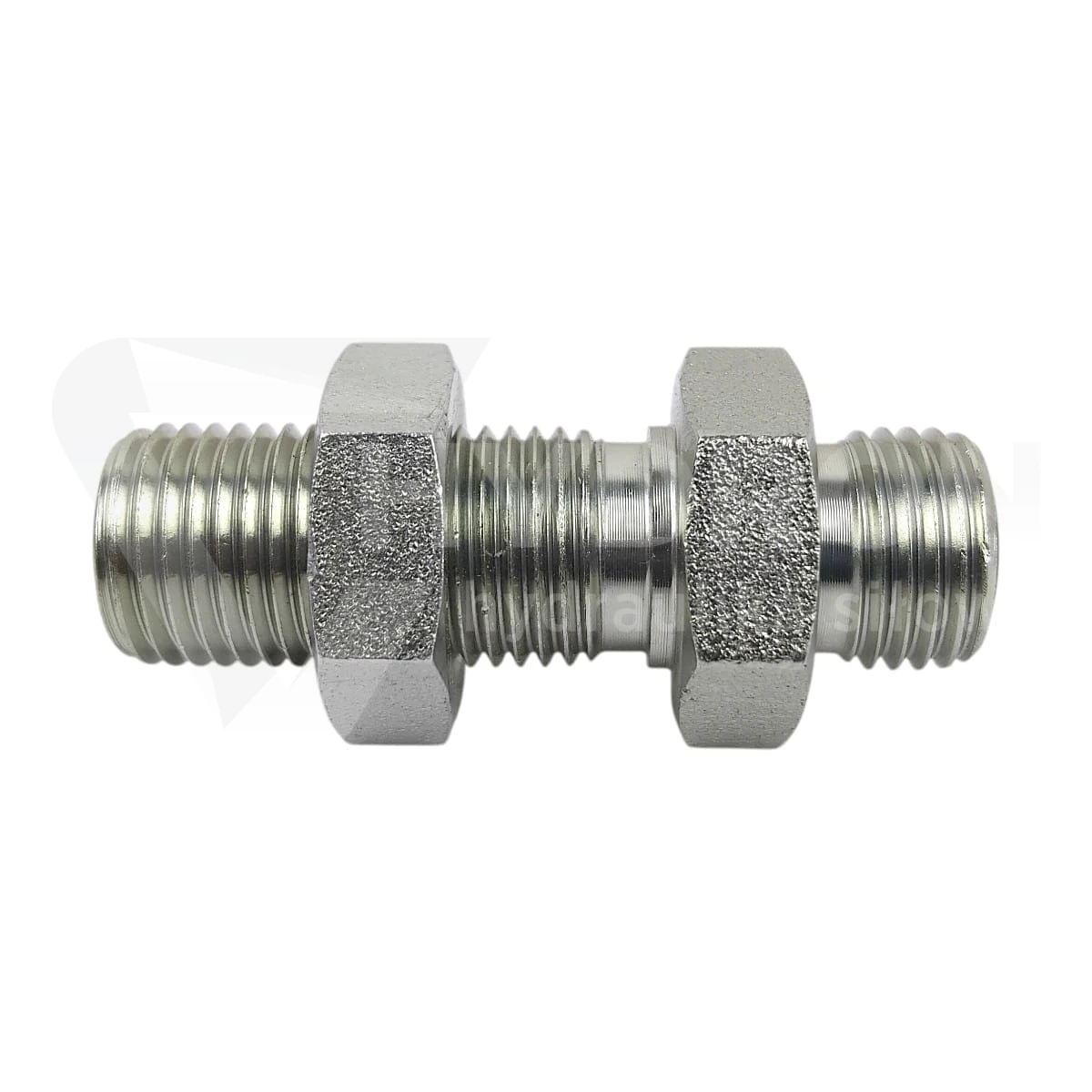
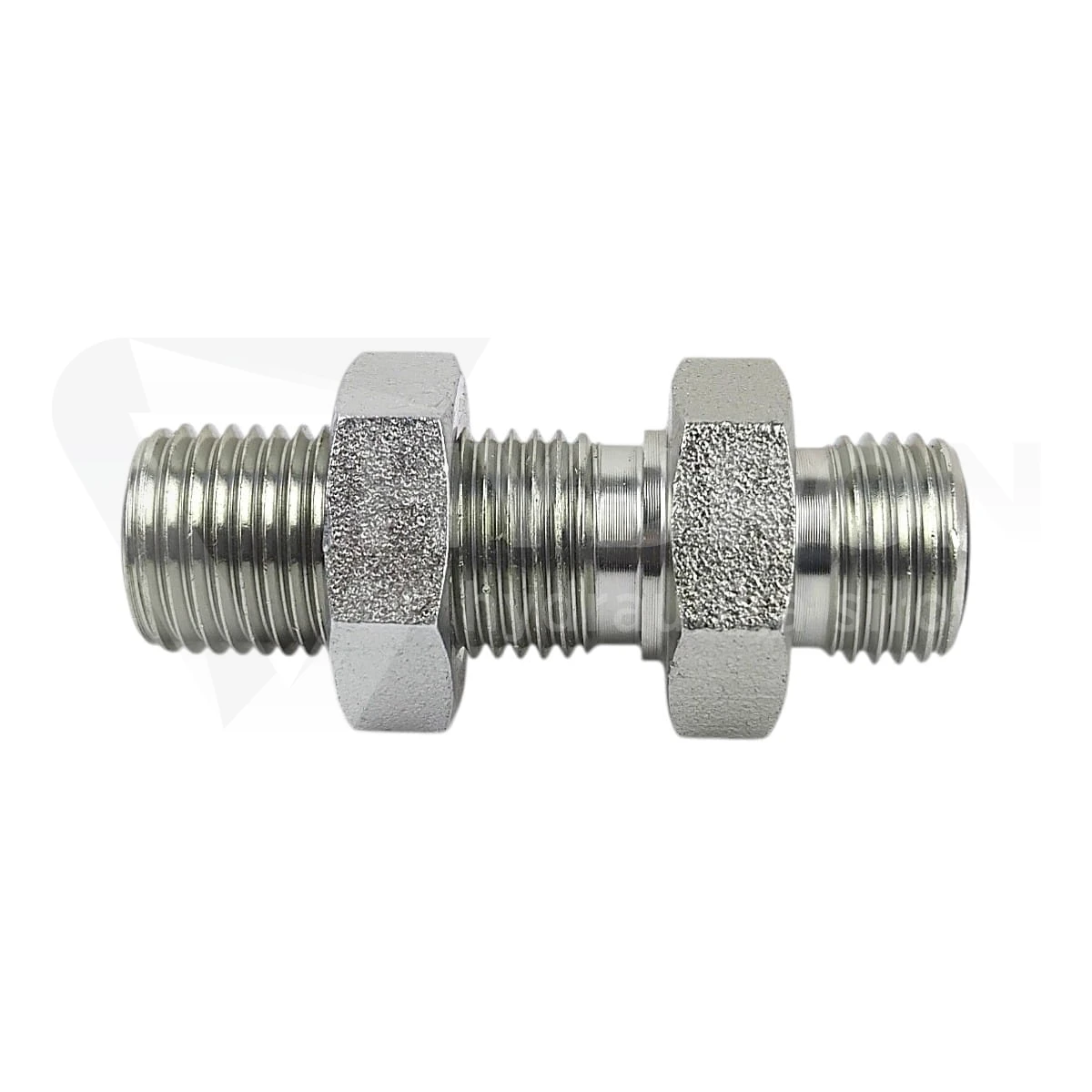
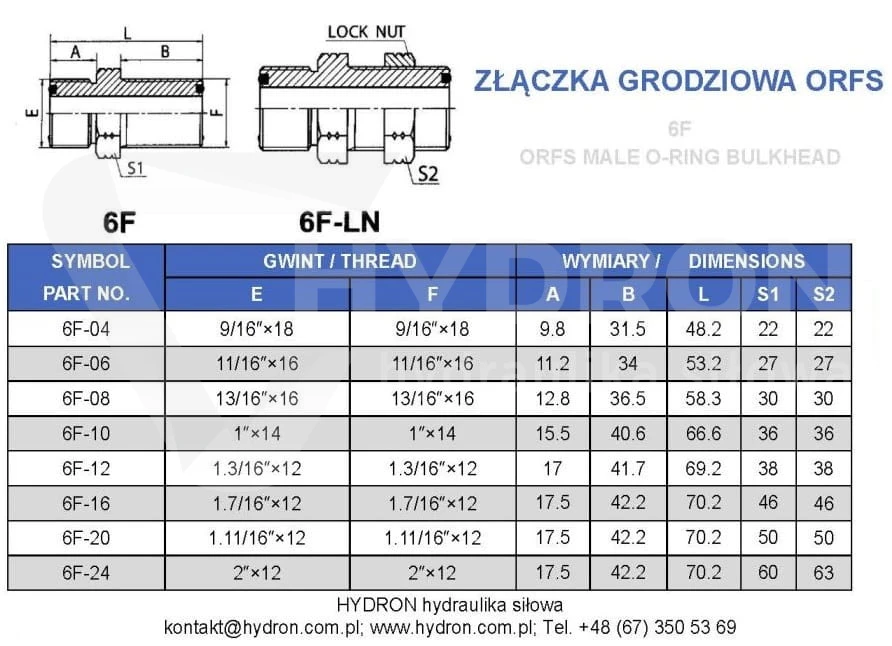


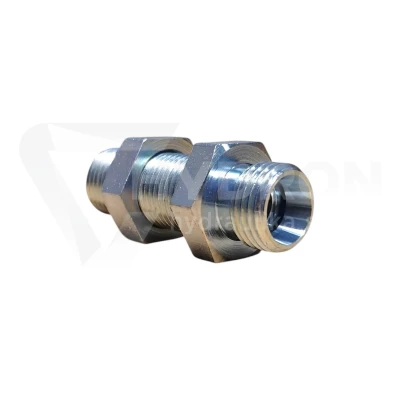
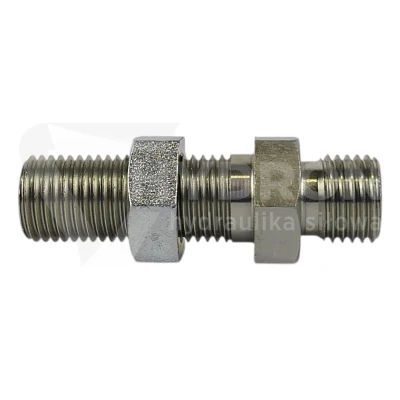
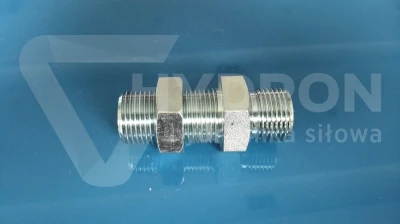
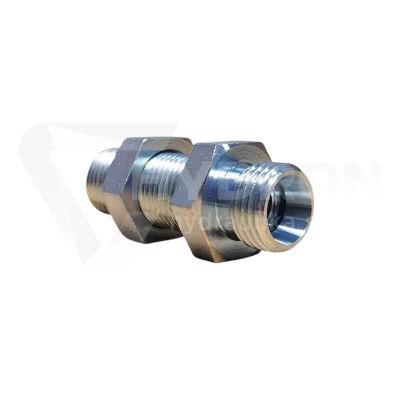
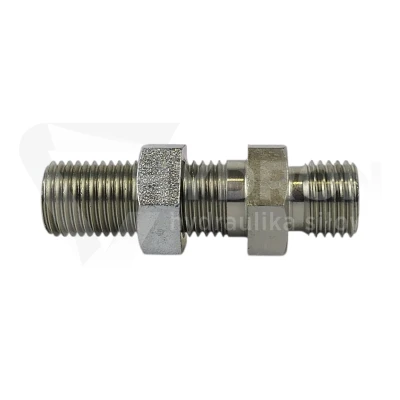
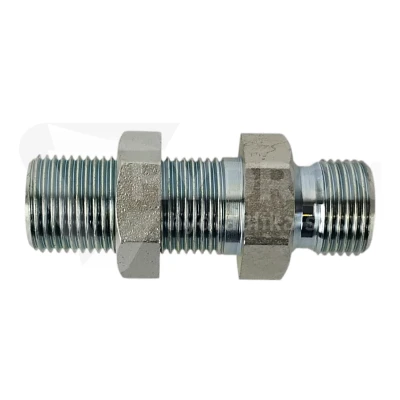
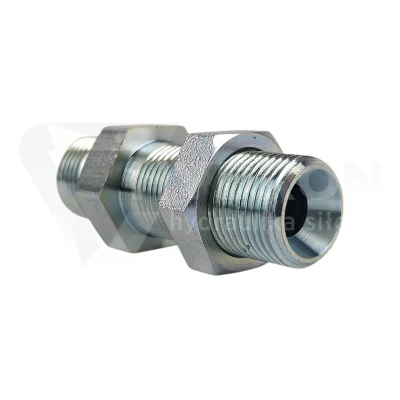
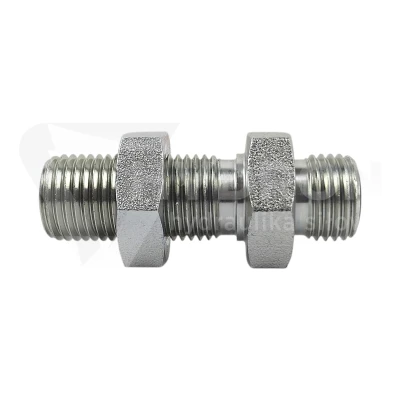
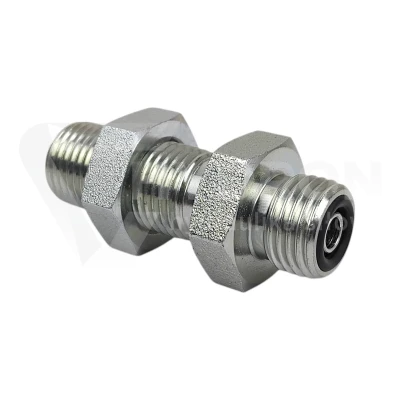
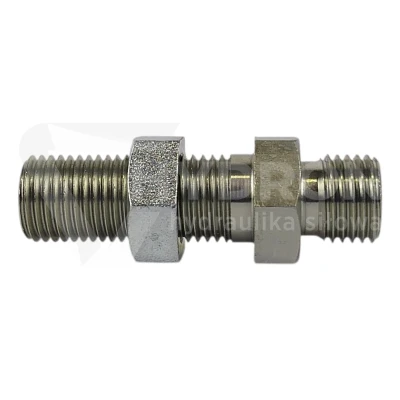
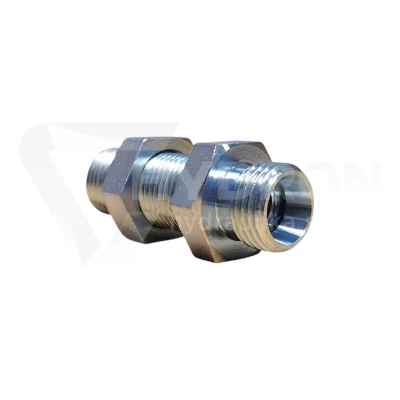
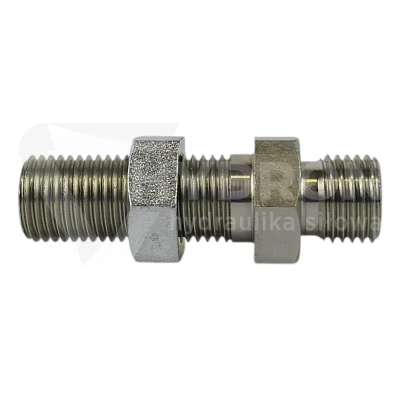
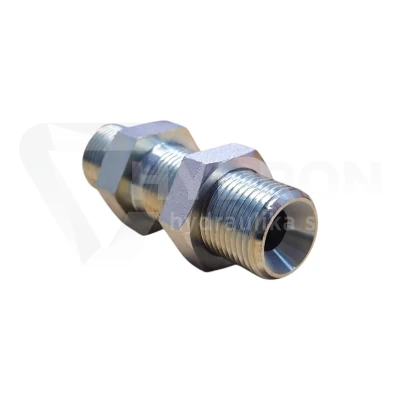
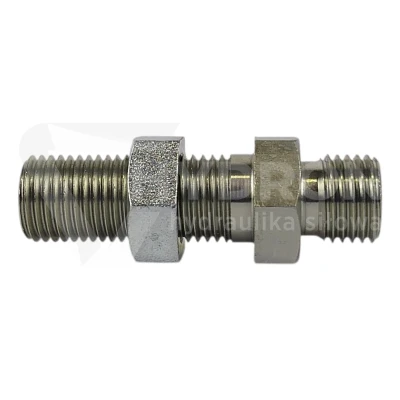
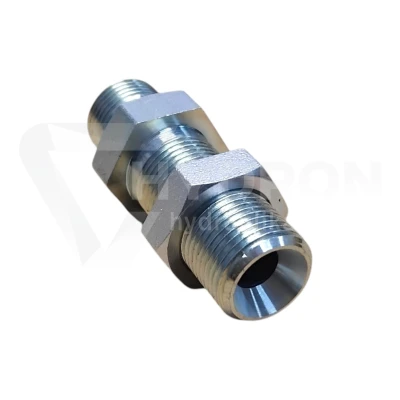
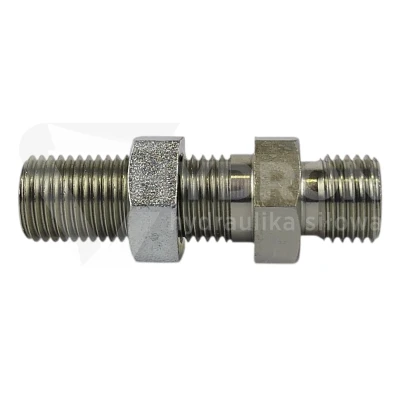
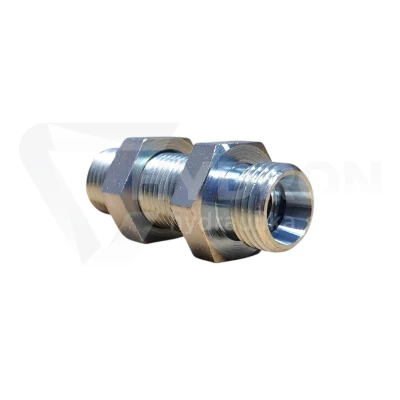
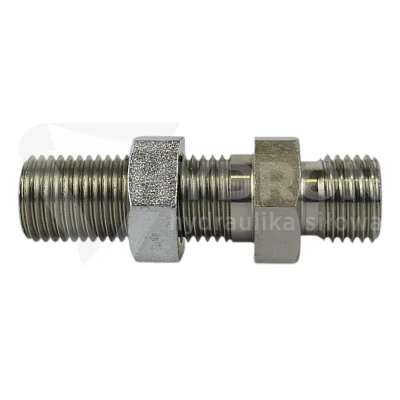
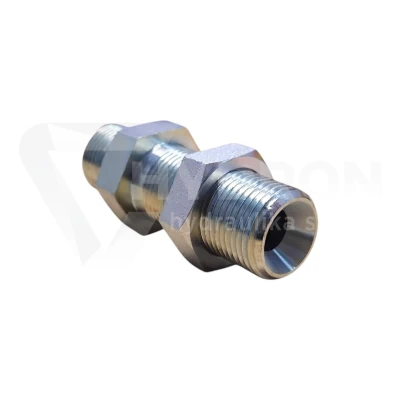
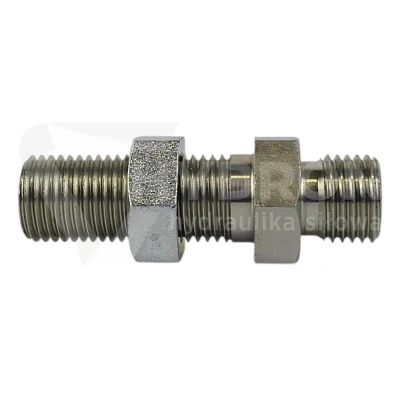
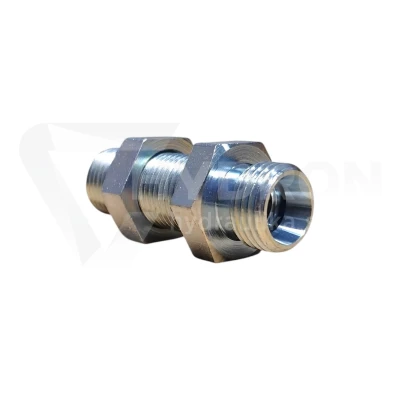
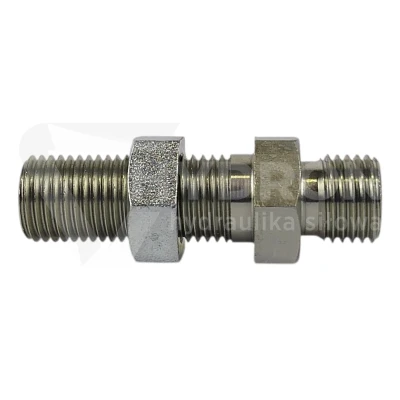
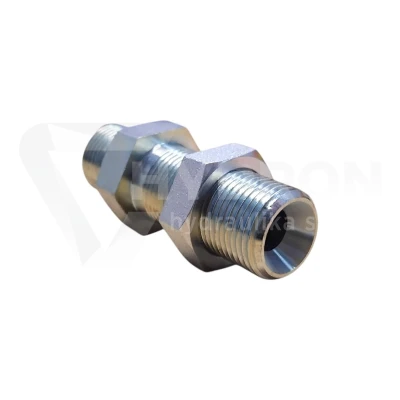
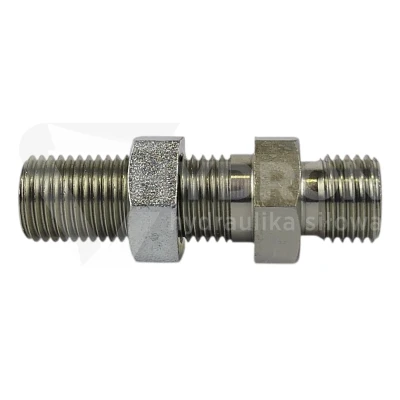
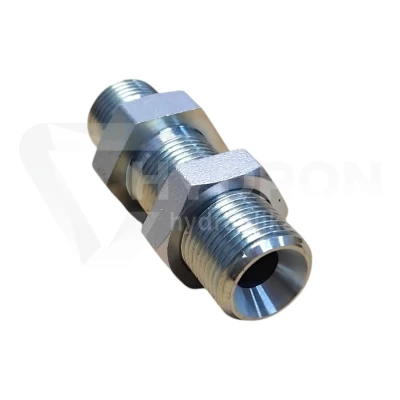
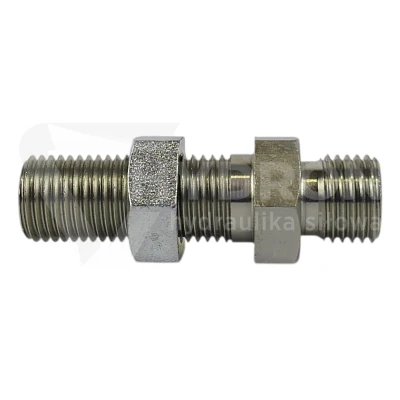
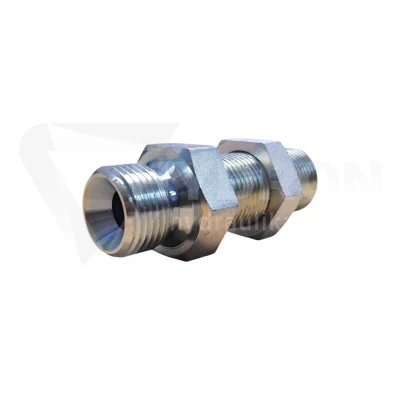
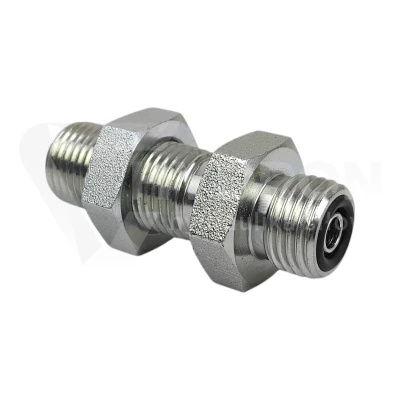
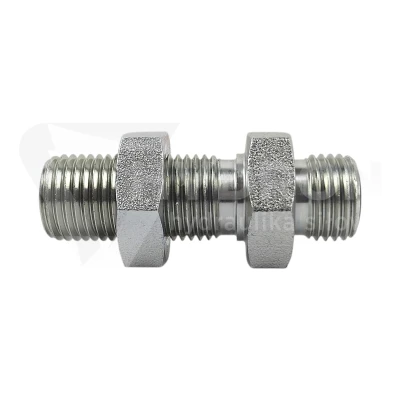
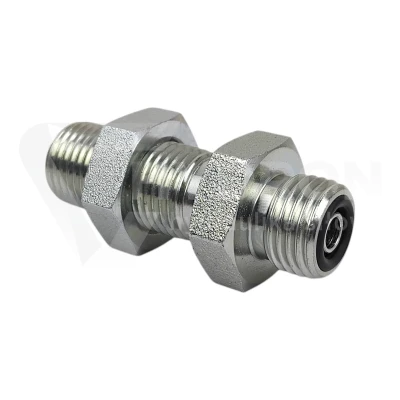
Bulkhead fitting ORFS 1.3/16"
Leave feedback on the product

Shipping costs are not included in the price.
Shipping costs are not included in the price.
You're only PLN 100 away from free shipping 100 zł
You've got free shipping ✓

Product code: ZN-141-1 1 3/16 ORFS
Barcode: 5905009158408
The courier picks up parcels from us between around 1:00 and 2:00 PM.
Shipping cost for the selected product
The shipping cost applies to this product (in the selected variant - if applicable). It may change after adding other products to the cart.
Ask about the product

Administratorem danych osobowych jest HYDRON hydraulika siłowa . Przetwarzamy je w celu przesłania odpowiedzi na zapytanie. Więcej informacji dotyczących przetwarzania danych osobowych znajduje się w polityce prywatności.
Share the product card



Description
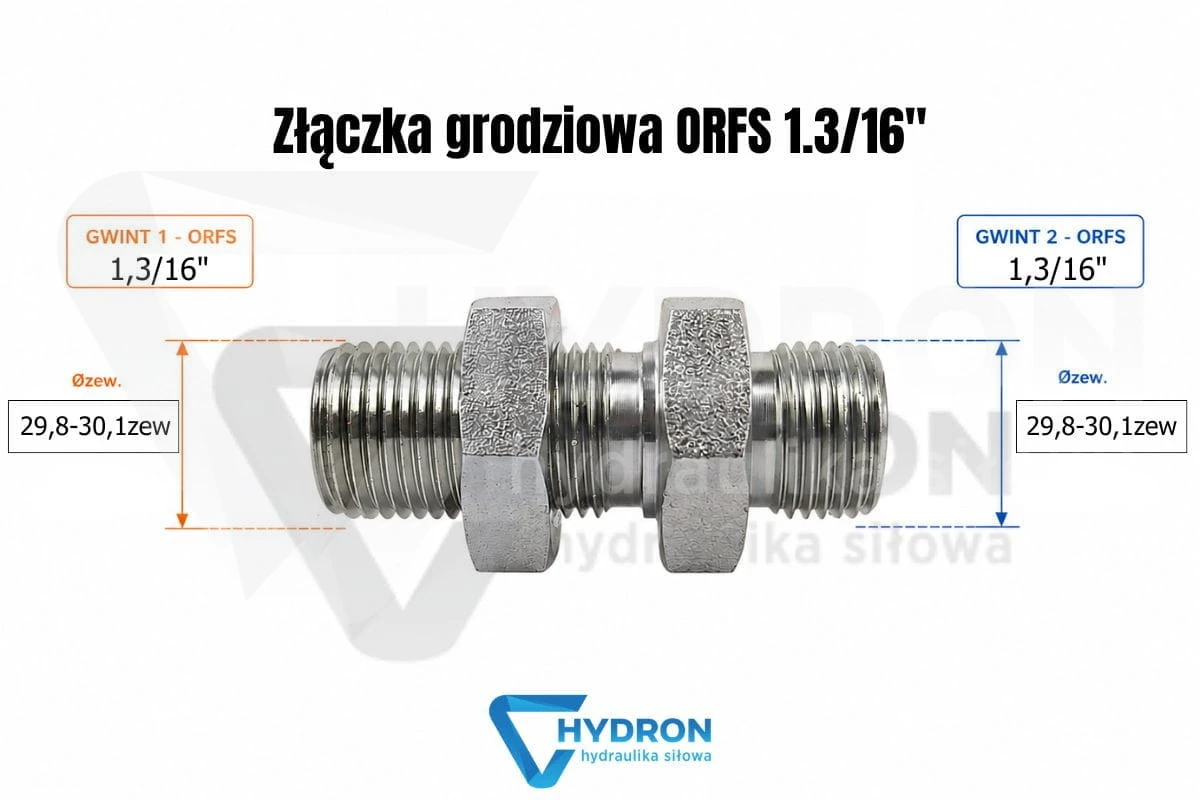
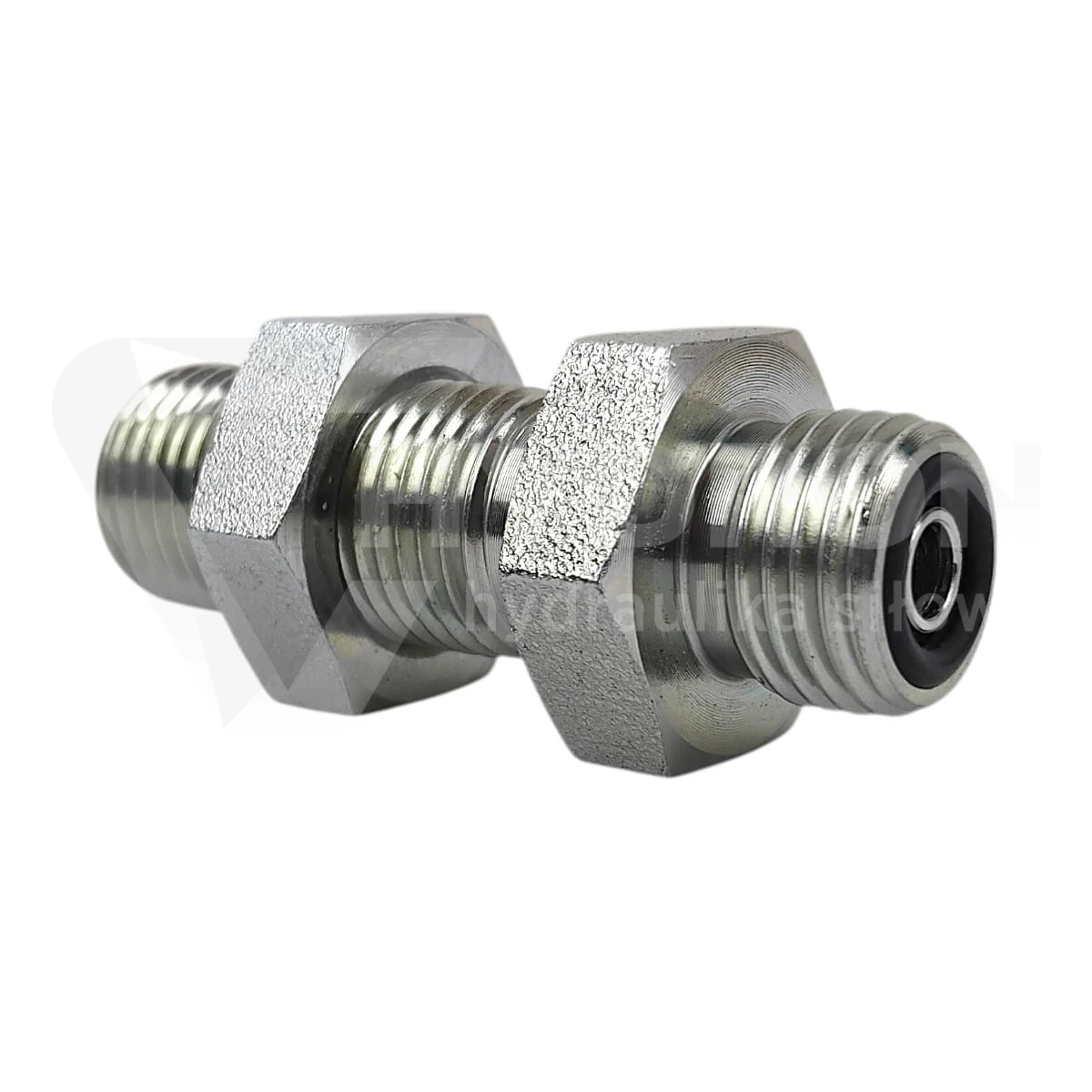
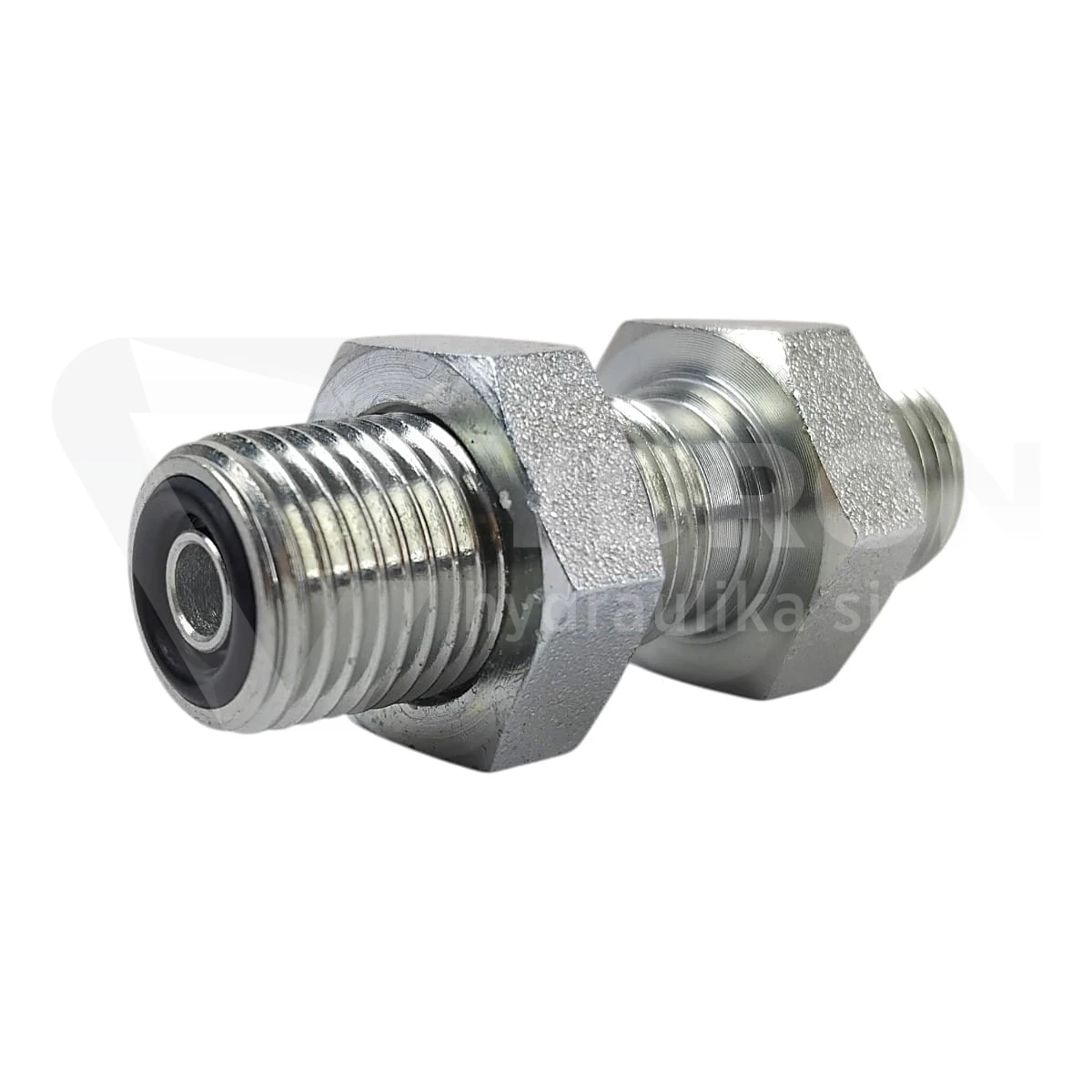
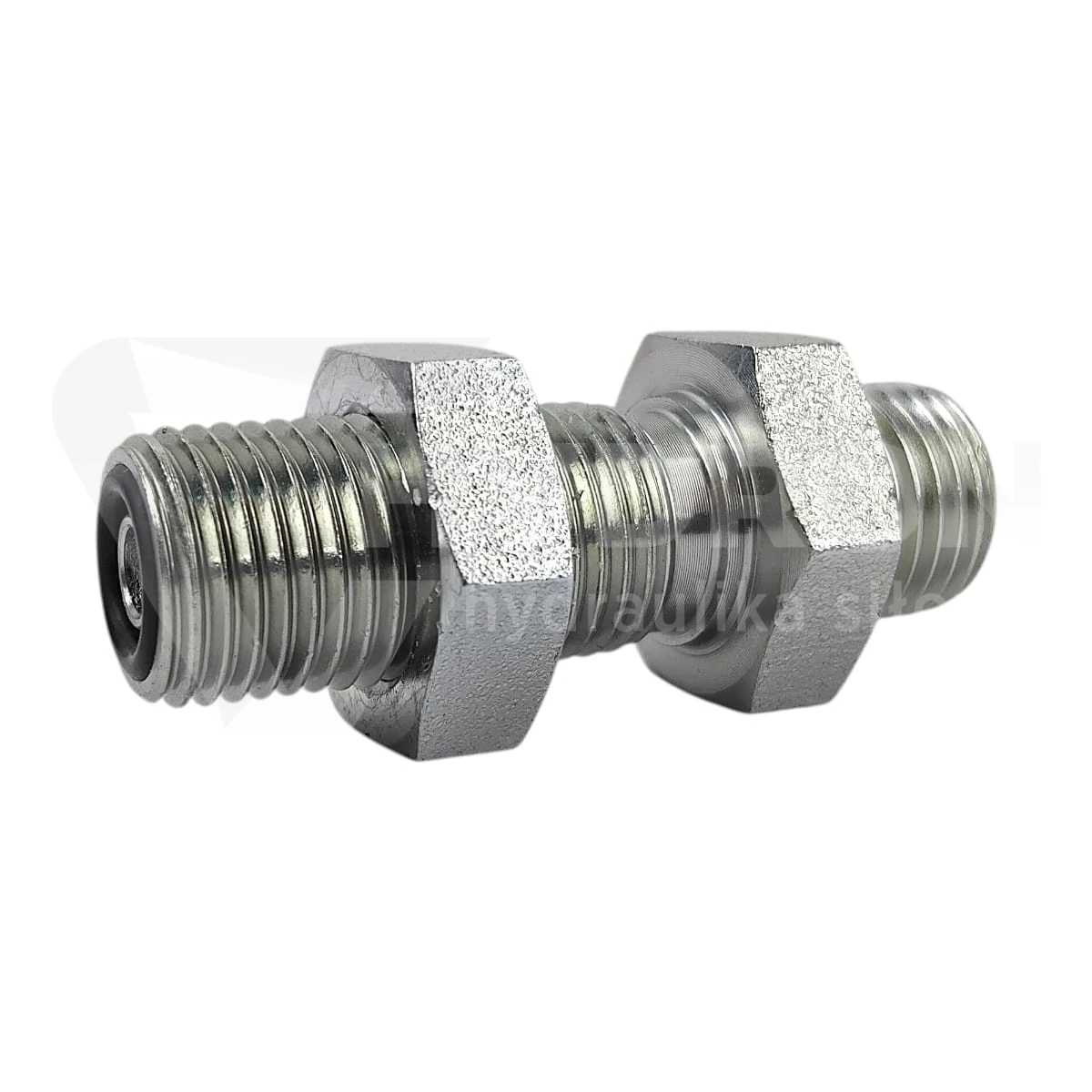
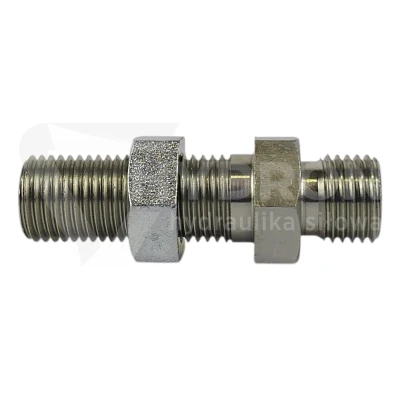
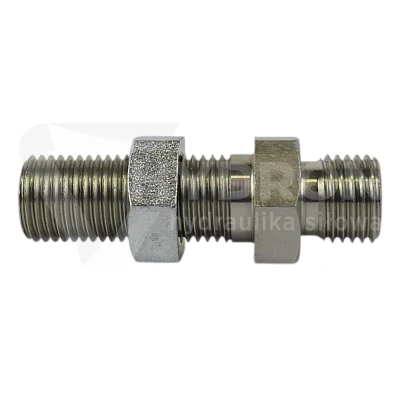
Bulkhead fitting ORFS 1.3/16"
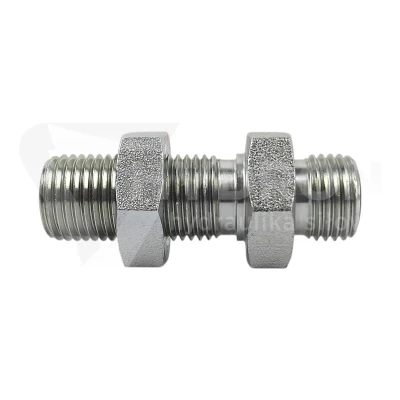
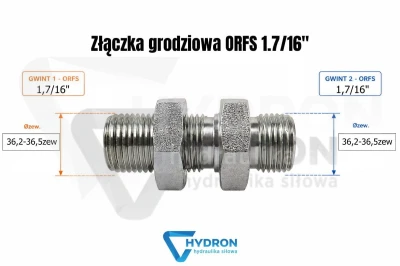
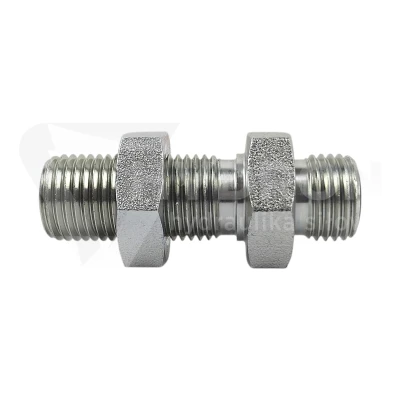
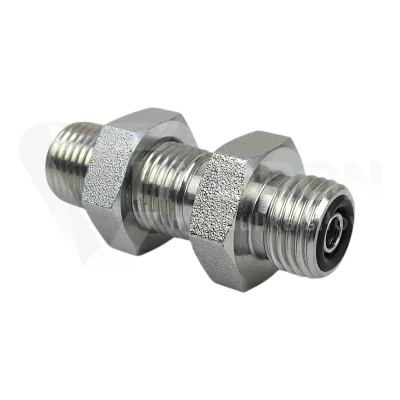
The ORFS 1.3/16" bulkhead fitting is a component for creating a permanent hydraulic passage through a panel, bulkhead, bracket, mounting plate, frame, or other structural part of a machine. Both sides of the fitting have a 1.3/16" ORFS external thread, which is why the product works as a straight bulkhead passage in one standard, without diameter reduction. The fitting is equipped with a locknut that allows seating the element in the hole and immobilizing the connection point. This solution is used where a hydraulic hose, pipe, or valve should not hang solely on the connection but needs to be supported in a stable installation place.
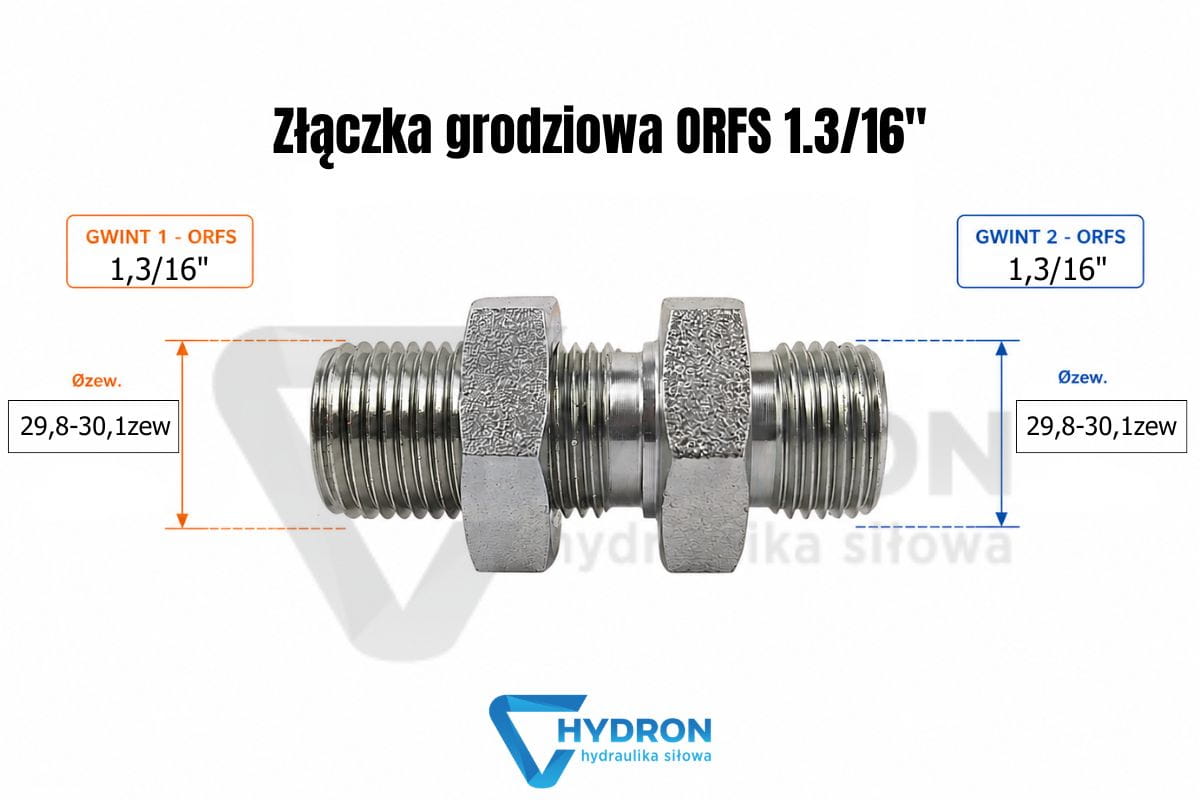
Bulkhead fitting ORFS 1.3/16" as a panel passage
In hydraulic installations, a panel passage often looks like a simple mounting detail, but in practice, it determines the durability of the entire hose section. If a hose passes through a hole without a bulkhead fitting, it can rub against the edge, transmit vibrations to the end fitting, or set the connection at an unfavorable angle. The ORFS 1.3/16" bulkhead fitting creates a fixed connection point that separates the installation on both sides of the partition. Other components in this standard can be found in the category ORFS bulkhead fittings.
1.3/16" ORFS thread on both sides
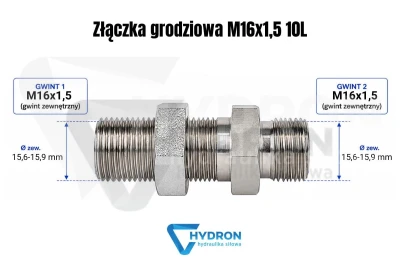
This product has the same 1.3/16" ORFS external thread on both sides. It is not an adapter to another size, but a bulkhead fitting in a single standard. The thread dimension measured on the outside is 29,8-30,1 mm, and on the inside 27,6-27,9 mm. In this fitting, there is no difference between the larger and smaller thread because both connections are identical. Despite this, the element should not be selected solely by diameter. ORFS is a separate connection system and should not be confused with JIC, BSP, NPT, or other inch threads used in power hydraulics.
ORFS seal and face surface operation
ORFS stands for O-Ring Face Seal, which is a face connection with an O-ring seal. In such a system, the thread is responsible for screwing the elements together, but the tightness is created on the face surface with the participation of an O-ring. This means that before assembly, it is necessary to check not only the thread but also the condition of the sealing face, surface cleanliness, O-ring quality, and compatibility of the mating element. If the surface is scratched, dirty, or the hose pulls the fitting at an angle after assembly, the connection may leak despite the correct thread size.
J1453 standard and ORFS component compatibility
The fitting is manufactured as an ORFS component compliant with the J1453 standard. For the user, this means it must be connected with end fittings, adapters, and hoses operating in the same sealing system. Imported machines often feature several inch standards side by side, which is why the term "inch thread" alone is not enough. When identifying adjacent sizes, you can compare the ORFS 1" bulkhead fitting and the ORFS 13/16" bulkhead fitting, so as not to select parts solely based on a similar appearance.
Locknut and seating in the bulkhead
The locknut allows the fitting to be secured in the bulkhead hole and locked in a specific position. With the 1.3/16" ORFS size, this is of great importance because a hose or pipe connected to such a fitting can transmit significant mechanical loads. Before assembly, check the hole diameter, panel thickness, access for tightening the locknut, and whether there is space left on both sides of the bulkhead for the free arrangement of the hose. A well-seated bulkhead fitting should not be forced by the hose position or a pipe guided under tension.
When a bulkhead fitting does not replace a standard adapter
The ORFS 1.3/16" bulkhead fitting should not be treated as a standard adapter for every connection with a similar thread. Its main function is mounting through a partition and stabilizing the transition point. If the element is to be screwed directly into the body of a pump, valve, distributor, cylinder, or hydraulic block, an adapter suitable for the port and sealing method must be selected. For such applications, among others, you use straight hydraulic adapters. Mounting a bulkhead fitting outside its intended function can hinder the tightening of the connection and increase the risk of a leak.
420 bar pressure and checking the entire section
The working pressure of this fitting is 420 bar. This is a parameter of the element itself, so during assembly, the entire section of the installation must be evaluated. The limitation may be the hose, end fitting, O-ring, pipe, valve, or the element on the other side of the panel. If the previous connection leaked, replacing the fitting alone is not always enough. You need to check whether the ORFS face surface is not damaged, whether the O-ring is correct, and whether the hose is not operating under tension. To check the actual pressure in the system, it is useful to use hydraulic pressure gauges.
Hose selection for the ORFS 1.3/16" fitting
The hose connected to the bulkhead fitting should have the appropriate length, bending radius, and end fitting alignment. If the hose is too short, too stiff, or pulls the fitting sideways after tightening, the ORFS face seal operates in worse conditions. A leak may not appear immediately but only during machine operation, when the installation begins to transmit vibrations and pressure changes. When making a new section, it is worth ordering custom-made hydraulic hoses, tailored to the actual mounting location.
Common mistakes with ORFS 1.3/16" connections
The most common mistake is confusing ORFS with another inch standard, especially in machines where JIC, BSP, NPT, and ORFS occur simultaneously. The second mistake is reusing an old O-ring or tightening the connection on a dirty face surface. The third problem arises when the bulkhead fitting becomes the only support point for the hose. The fitting is meant to stabilize the passage but should not take over the weight and vibrations of the entire installation. If the hose passes close to the edge of the structure, it is worth using spiral guards for hydraulic hoses.
Securing hoses on both sides of the bulkhead
For a bulkhead passage, not only the fitting itself matters, but also the routing of the installation on both sides of the panel. A longer hose, a steel pipe, or a line operating under vibration should have additional support points. For stabilization, you can use brackets and clamps for pipes and hoses. Good securing reduces the movement of the installation, relieves the thread, and helps maintain the tightness of the face connection. This is particularly important in mobile machines, where vibrations and load changes are a normal part of operation.
Products for comparison when identifying parts
If the old fitting has been dismantled from the machine and has no legible marking, it is worth comparing it with other elements from the same family. For a smaller size, you can check the ORFS 1" bulkhead fitting, and for a larger passage, the ORFS 2" bulkhead fitting. If the installation is not made in the ORFS standard, you need to check other hydraulic bulkhead fittings, instead of matching the element based on a similar thread diameter.
Product technical data
- Product: bulkhead fitting ORFS 1.3/16"
- Connection type: straight - fitting, adapter
- Purpose: bulkhead fitting
- Thread 1: 1.3/16" ORFS
- Thread 1 dimension: 29,8-30,1 mm externally / 27,6-27,9 mm internally
- Thread 2: 1.3/16" ORFS
- Thread 2 dimension: 29,8-30,1 mm externally / 27,6-27,9 mm internally
- Larger thread: no difference, both sides 1.3/16" ORFS
- Smaller thread: no difference, both sides 1.3/16" ORFS
- Working pressure: 420 bar
- Execution standard: ORFS J1453 fittings
- Working temperature: from -20°C to +120°C
- Material: free-cutting steel
- Surface protection: zinc plating with white passivation
- Execution: with locknut, so-called counter nut
- Vitillo designation: APPMO1414
- Cast designation: 6050-14
- Product code: ZN-141-1 1 3/16 ORFS
- EAN barcode: 2000010049431
Hydron assistance with selecting ORFS fittings
When selecting the ORFS 1.3/16" bulkhead fitting, it is best to provide the thread size, ORFS standard, working pressure, mounting location, and information on whether the element passes through a panel, frame, hydraulic plate, or other structural part. Hydron supplies bulkhead fittings, adapters, hoses, end fittings, pipes, guards, and mounting elements for power hydraulic systems. If there is uncertainty whether the ORFS 1.3/16" bulkhead fitting, a different ORFS size, a BSP fitting, or a metric variant will be appropriate, it is worth verifying the part before purchase.
FAQ
Is the ORFS 1.3/16" bulkhead fitting used for panel mounting?
Yes. It is a bulkhead fitting designed to create a stable passage through a panel, bulkhead, wall, frame, or mounting plate.
What threads does the ORFS 1.3/16" bulkhead fitting have?
The product has 1.3/16" ORFS external threads on both sides.
Which thread is larger in this fitting?
Both sides have the same 1.3/16" ORFS size, so there is no difference between the larger and smaller thread. However, the ORFS standard must be confirmed before assembly.
What is the working pressure of the ORFS 1.3/16" bulkhead fitting?
The working pressure is 420 bar. However, the entire hydraulic system must be evaluated according to the parameters of the weakest element in the installation.
What does ORFS stand for?
ORFS stands for O-Ring Face Seal, which is a face connection with an O-ring seal. Such a system requires a compatible face surface and the correct O-ring.
Can this fitting be used as a standard adapter?
It is not recommended to treat it as a standard adapter. It is a bulkhead fitting with a locknut, designed for mounting through a bulkhead or panel. If the element is to be screwed directly into a body, an appropriate adapter must be selected.
What to check before buying an ORFS 1.3/16" fitting?
Before purchasing, check the 1.3/16" ORFS size, thread diameter, ORFS sealing standard, 420 bar working pressure, mounting location, and mating elements on both sides of the bulkhead.
Product Reviews
If you've added a review and it doesn't appear on the list, it may be pending moderation.
Leave feedback on the product
Product Safety
Manufacturer
HYDRON hydraulika siłowa
Kujańska 6a
77-400 Złotów, Poland
+48 67 350 53 69 kontakt@hydron.com.pl Report a product safety issue
Responsible person in the EU
HYDRON hydraulika siłowa
Kujańska 6a
77-400 Złotów, Poland
+48 67 350 53 69 kontakt@hydron.com.pl Report a product safety issue
Related Products
-
€3.11€2.53
-
€2.03€1.65
-
€2.03€1.65
-
€2.23€1.82
-
€4.95€4.03
-
€12.03€9.78
-
€16.23€13.20
-
€5.61€4.56
-
€15.84€12.88
-
€8.80€7.15
-
€6.71€5.45
-
€37.39€30.40
-
€16.49€13.41
-
€8.49€6.90
-
€5.10€4.15
-
€3.14€2.55
Other Products in This Category
-
€27.79€22.59
-
€16.23€13.20
-
€13.97€11.35
-
€11.36€9.24
-
€9.25€7.52
Bestsellers
-
€3.38€2.75
-
€0.87€0.70
-
€0.64€0.52
-
€4.73€3.85
-
€4.39€3.57
-
€0.90€0.73
-
€5.07€4.12
-
€4.50€3.66
-
€2.70€2.20
-
€3.01€2.44
-
€1.86€1.51
-
€5.07€4.12