





Need help? Have a question? Call our sales team



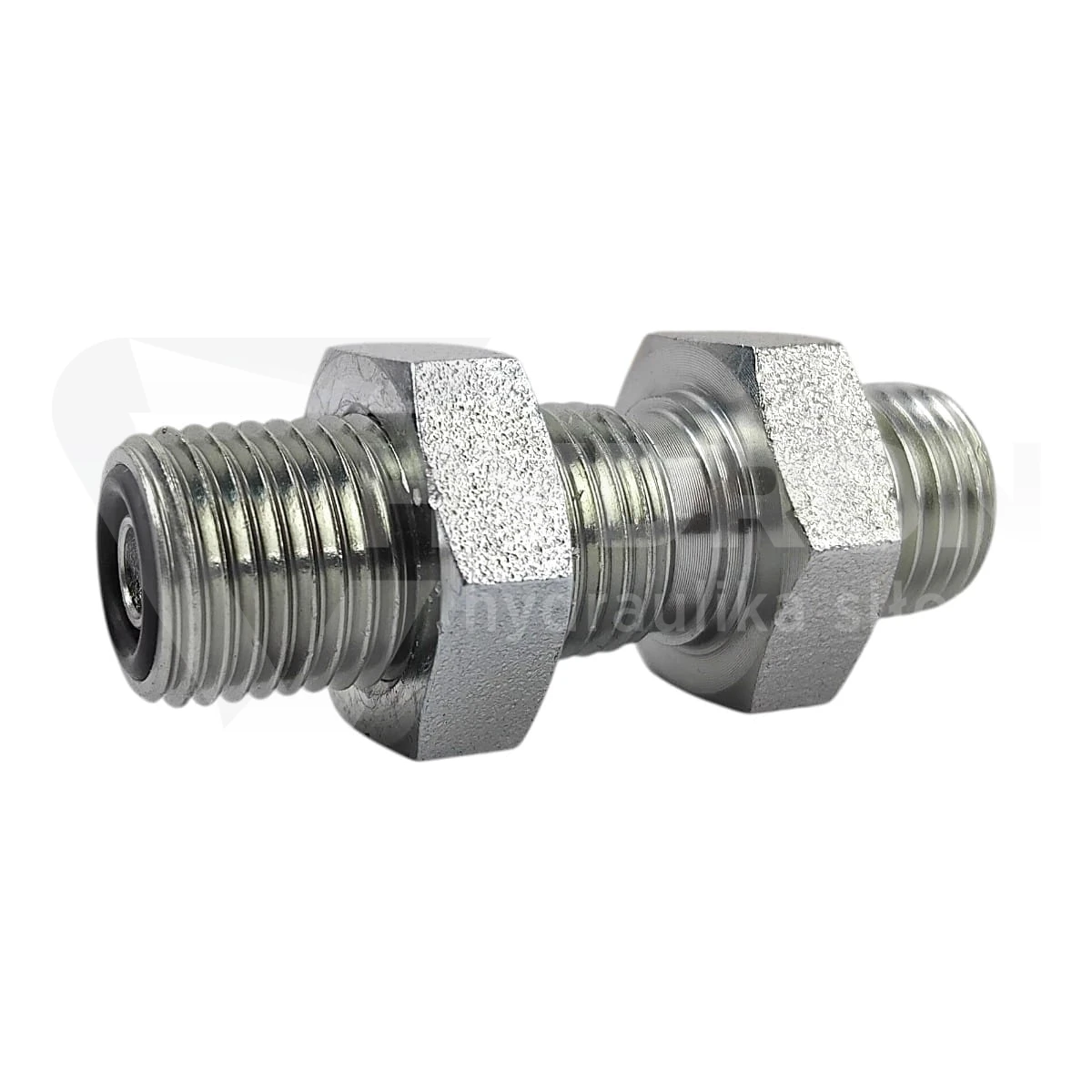
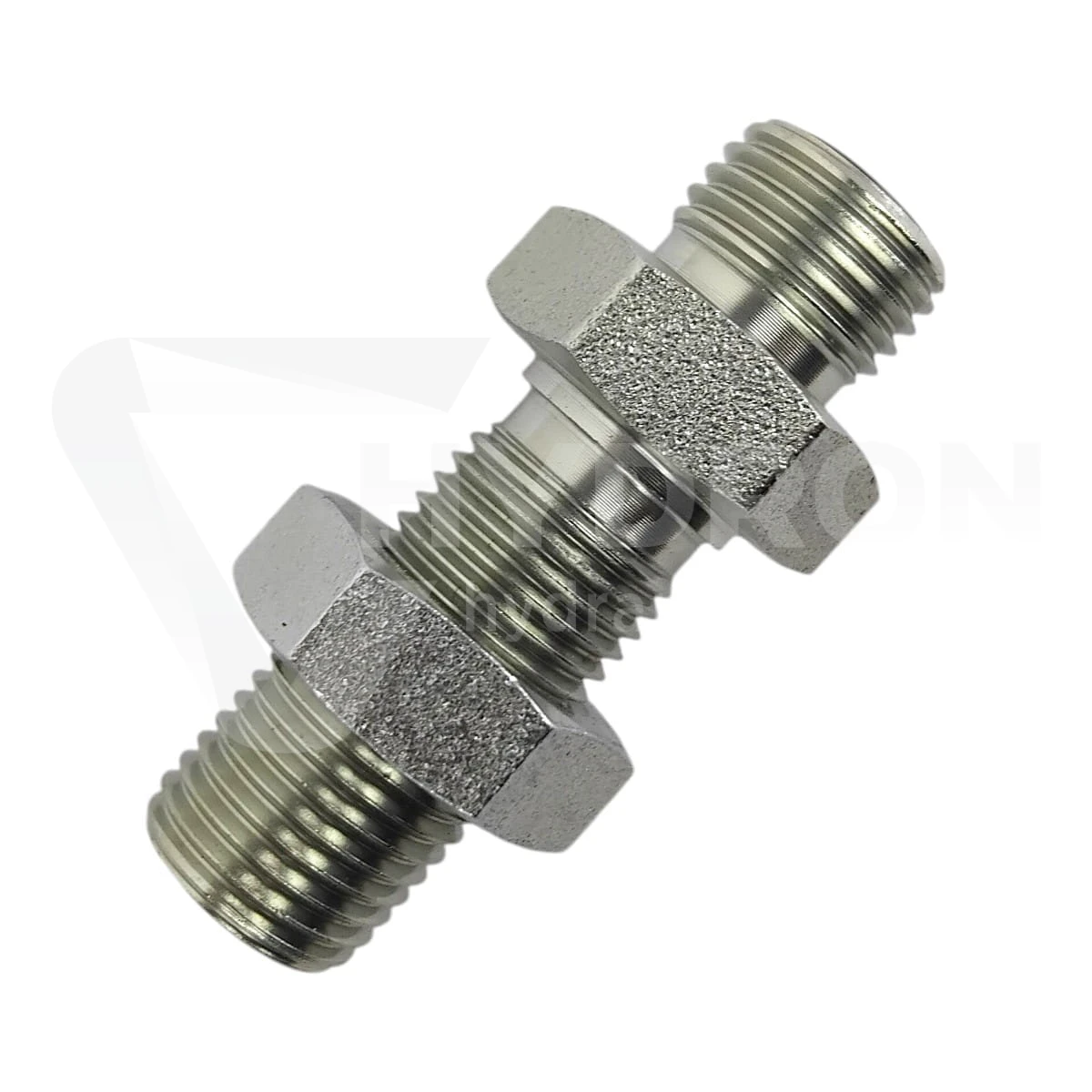
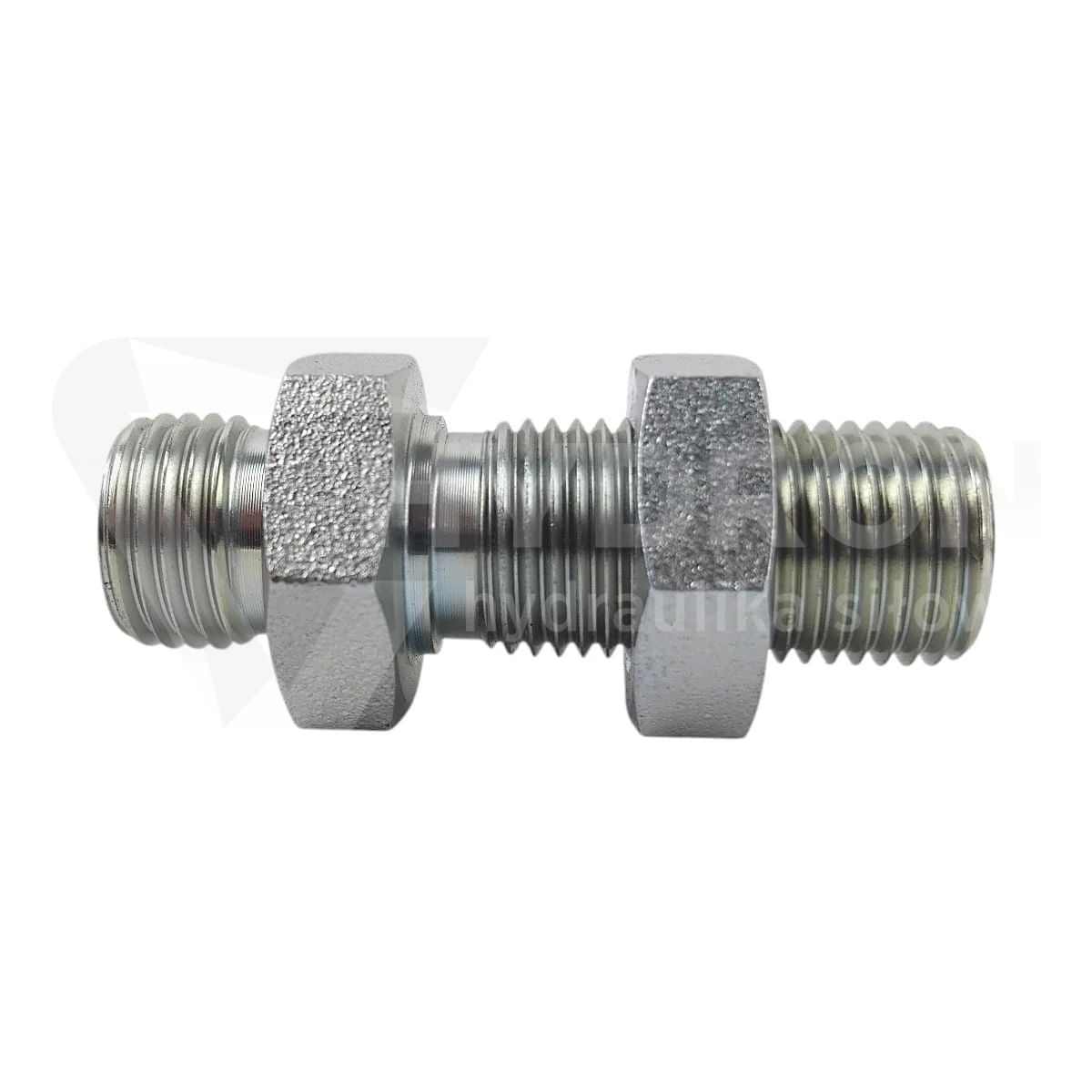
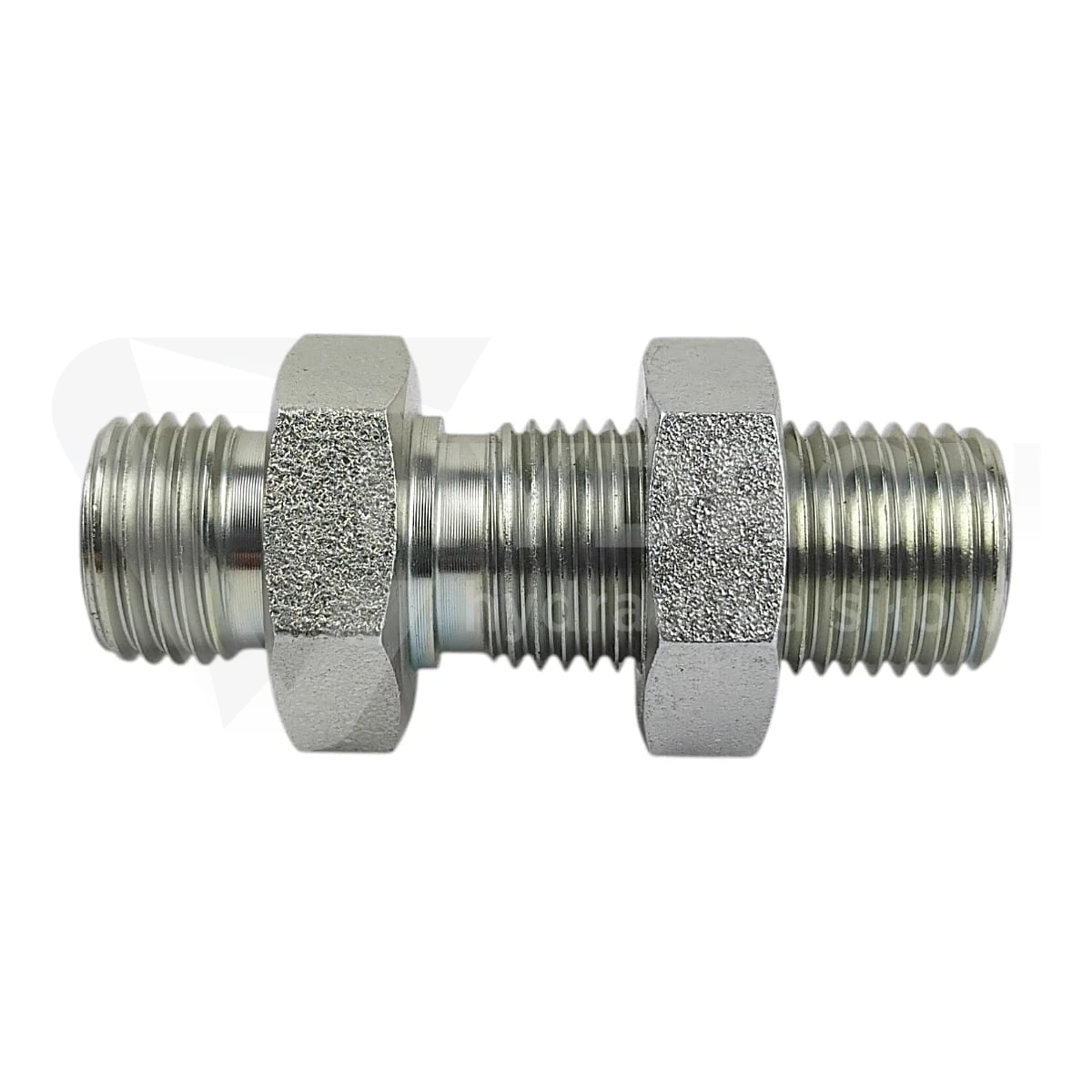
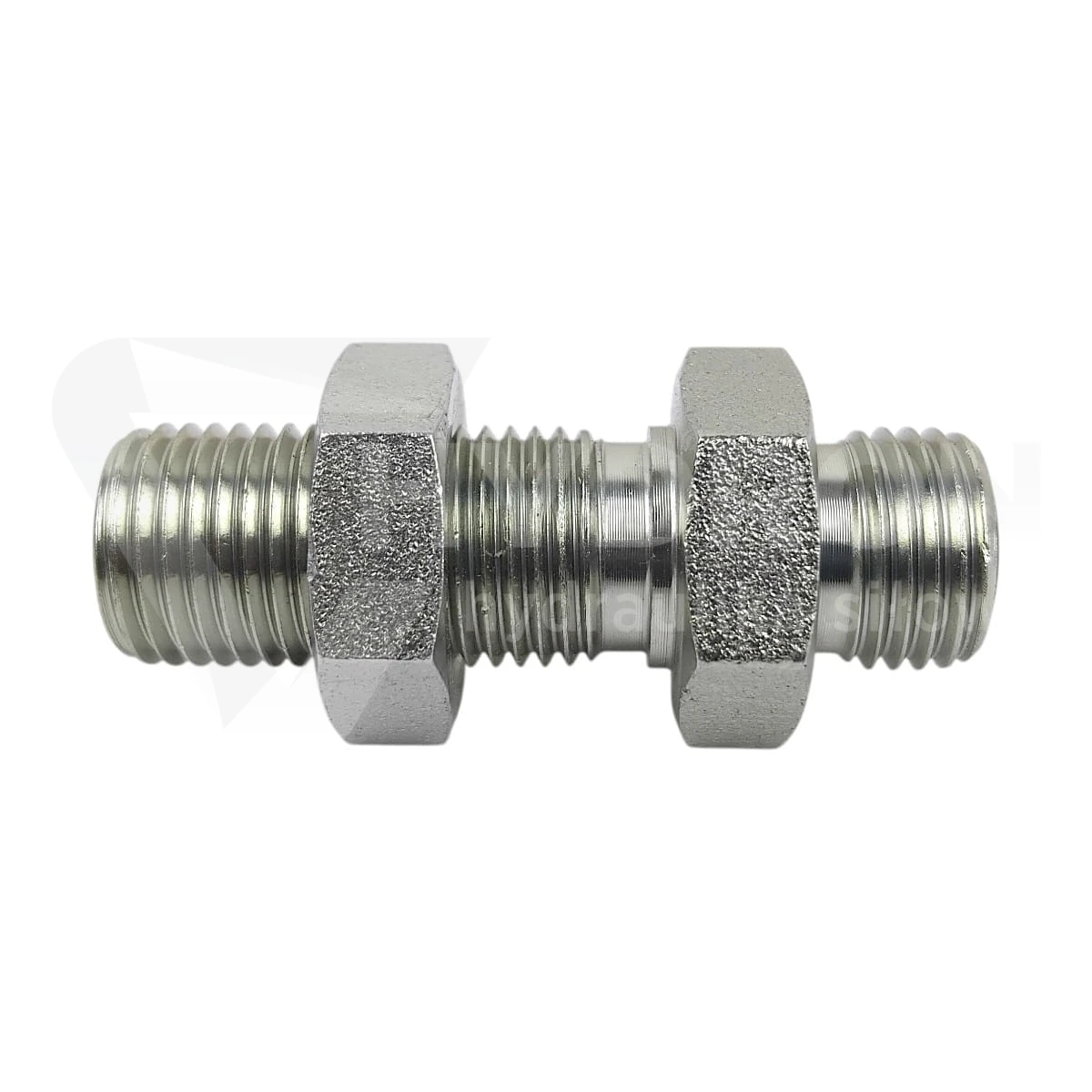
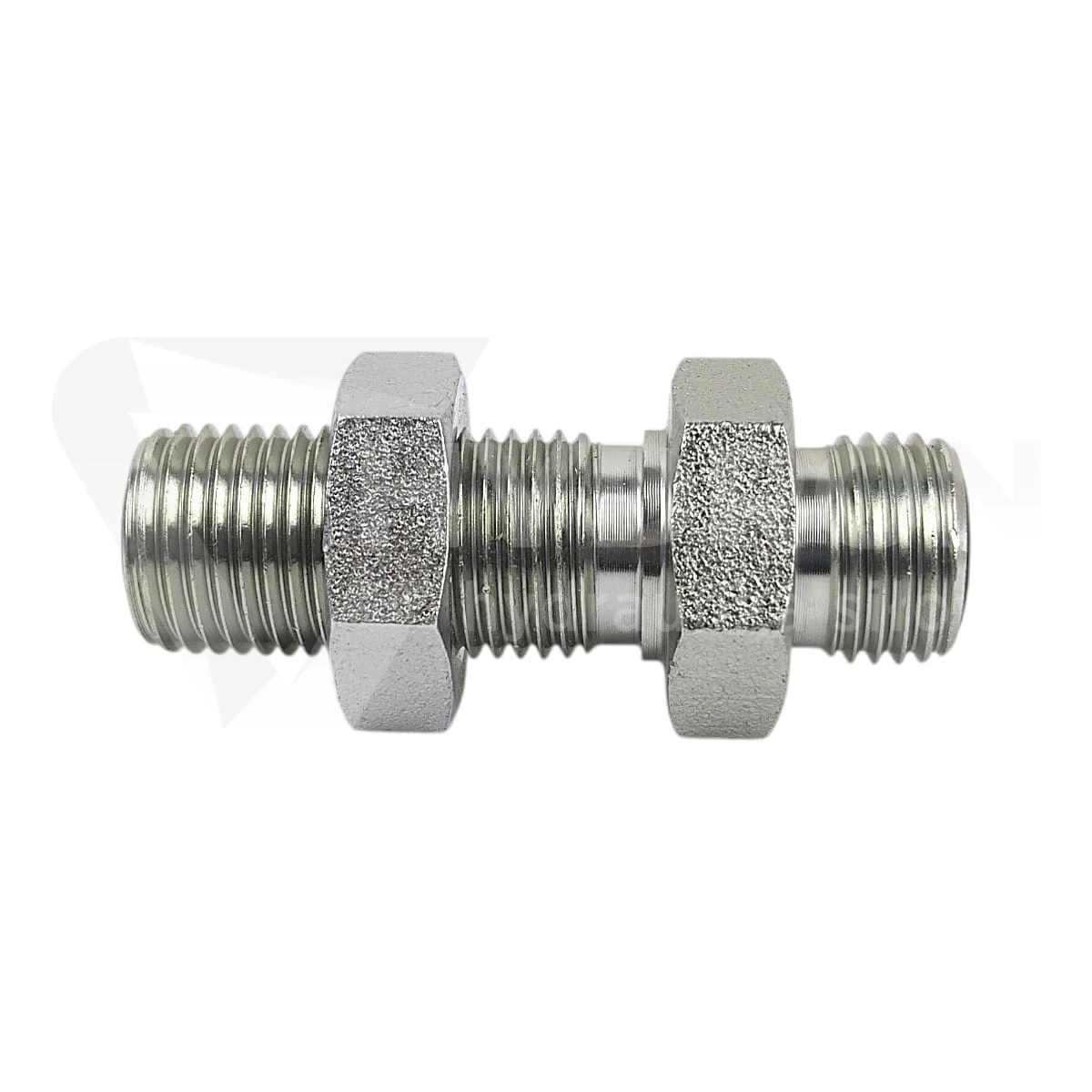


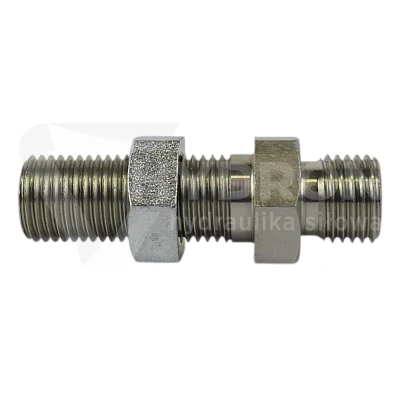
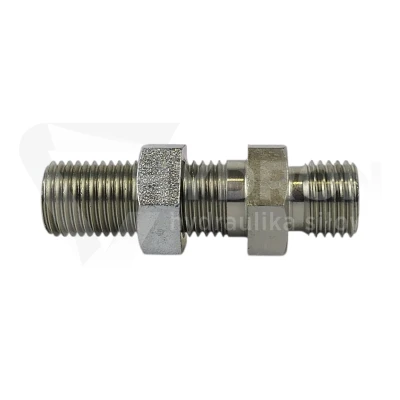
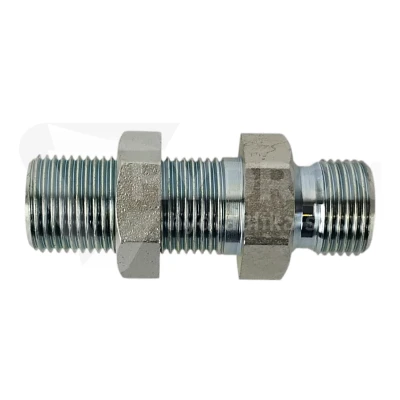
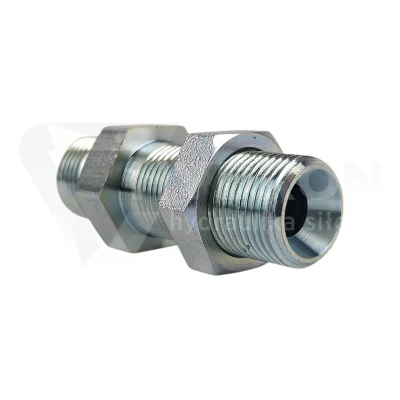
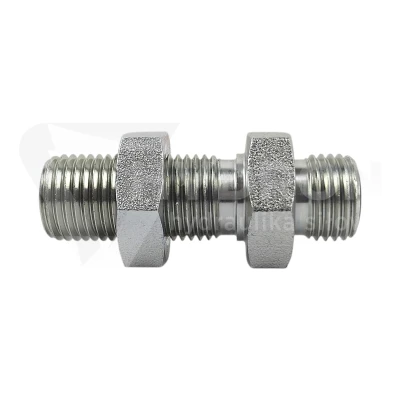
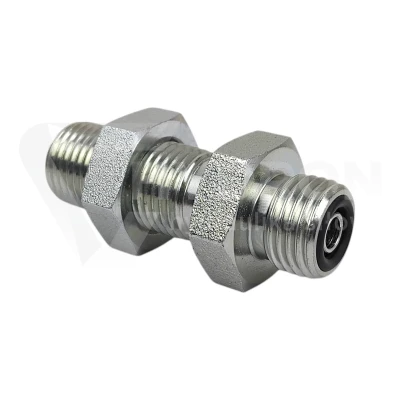
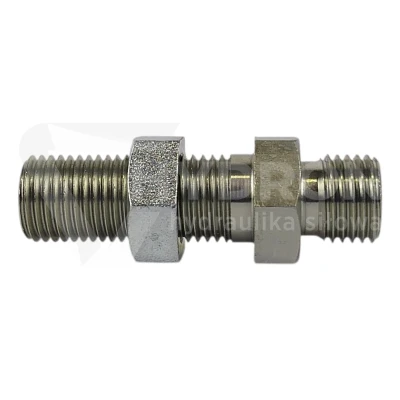
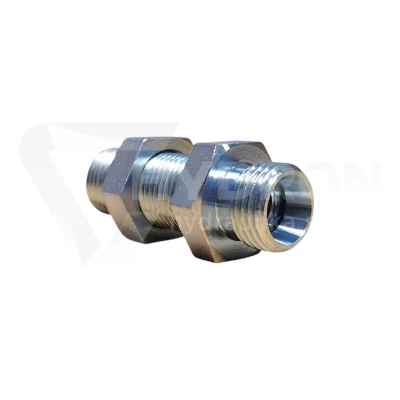
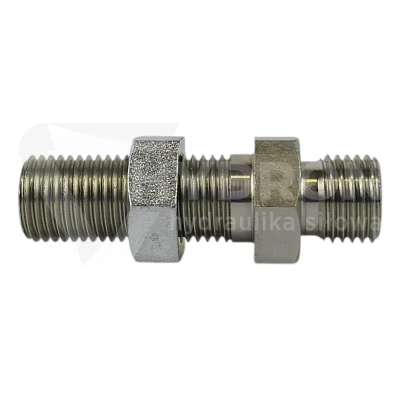
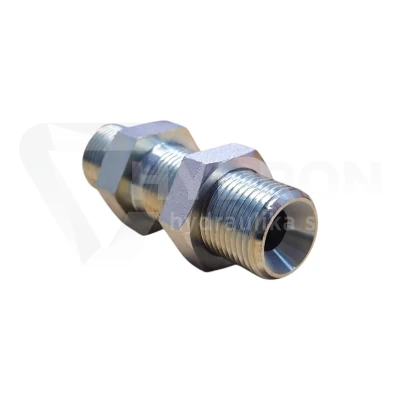
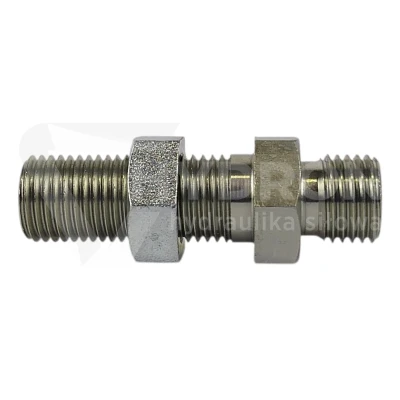
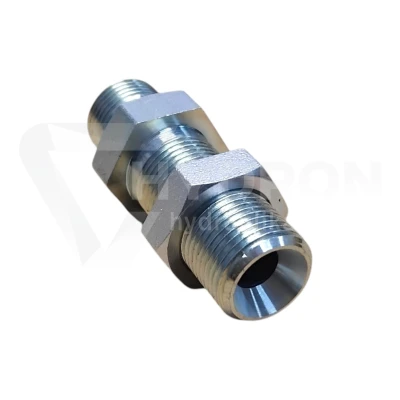
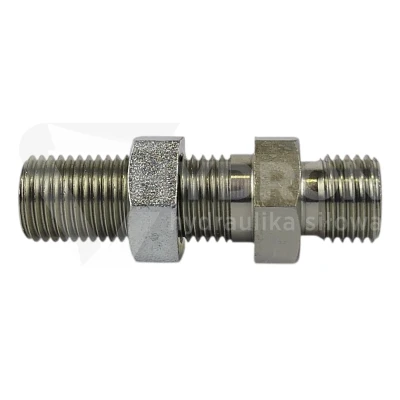
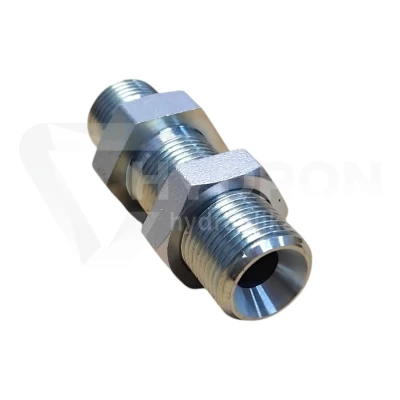
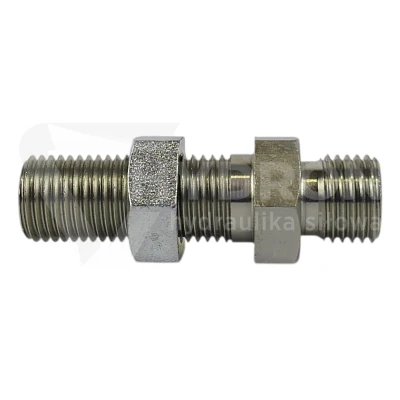
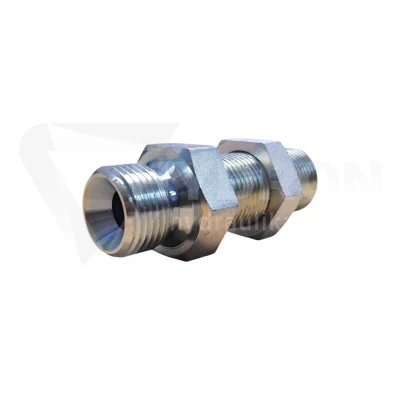
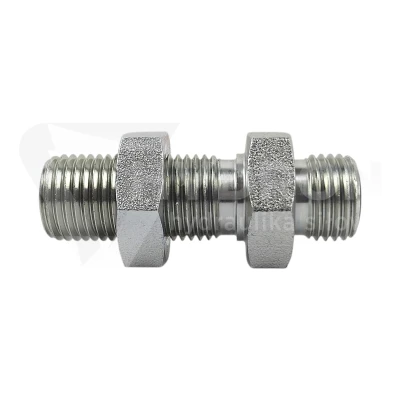
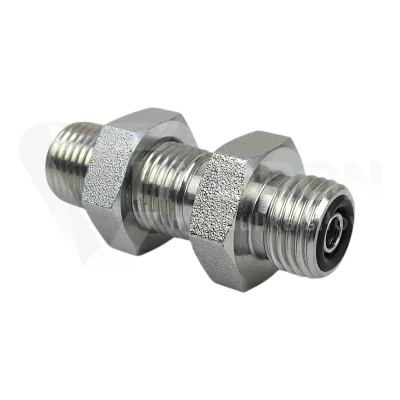
ORFS 11/16" Bulkhead Fitting
Leave feedback on the product

Shipping costs are not included in the price.
Shipping costs are not included in the price.
You're only PLN 100 away from free shipping 100 zł
You've got free shipping ✓

Product code: ZN-141-1 11/16 ORFS
Barcode: 5905009158422
The courier picks up parcels from us between around 1:00 and 2:00 PM.
Shipping cost for the selected product
The shipping cost applies to this product (in the selected variant - if applicable). It may change after adding other products to the cart.
Ask about the product

Administratorem danych osobowych jest HYDRON hydraulika siłowa . Przetwarzamy je w celu przesłania odpowiedzi na zapytanie. Więcej informacji dotyczących przetwarzania danych osobowych znajduje się w polityce prywatności.
Share the product card



Description
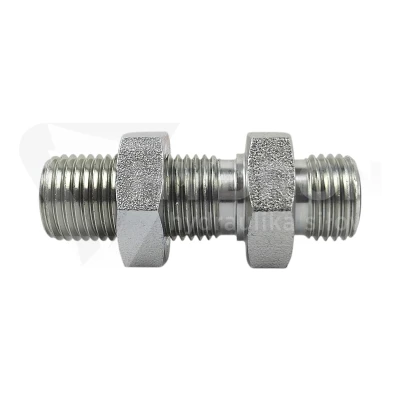
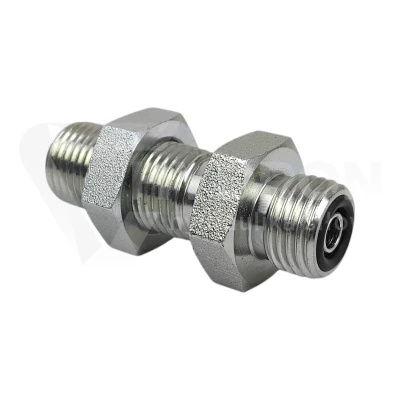
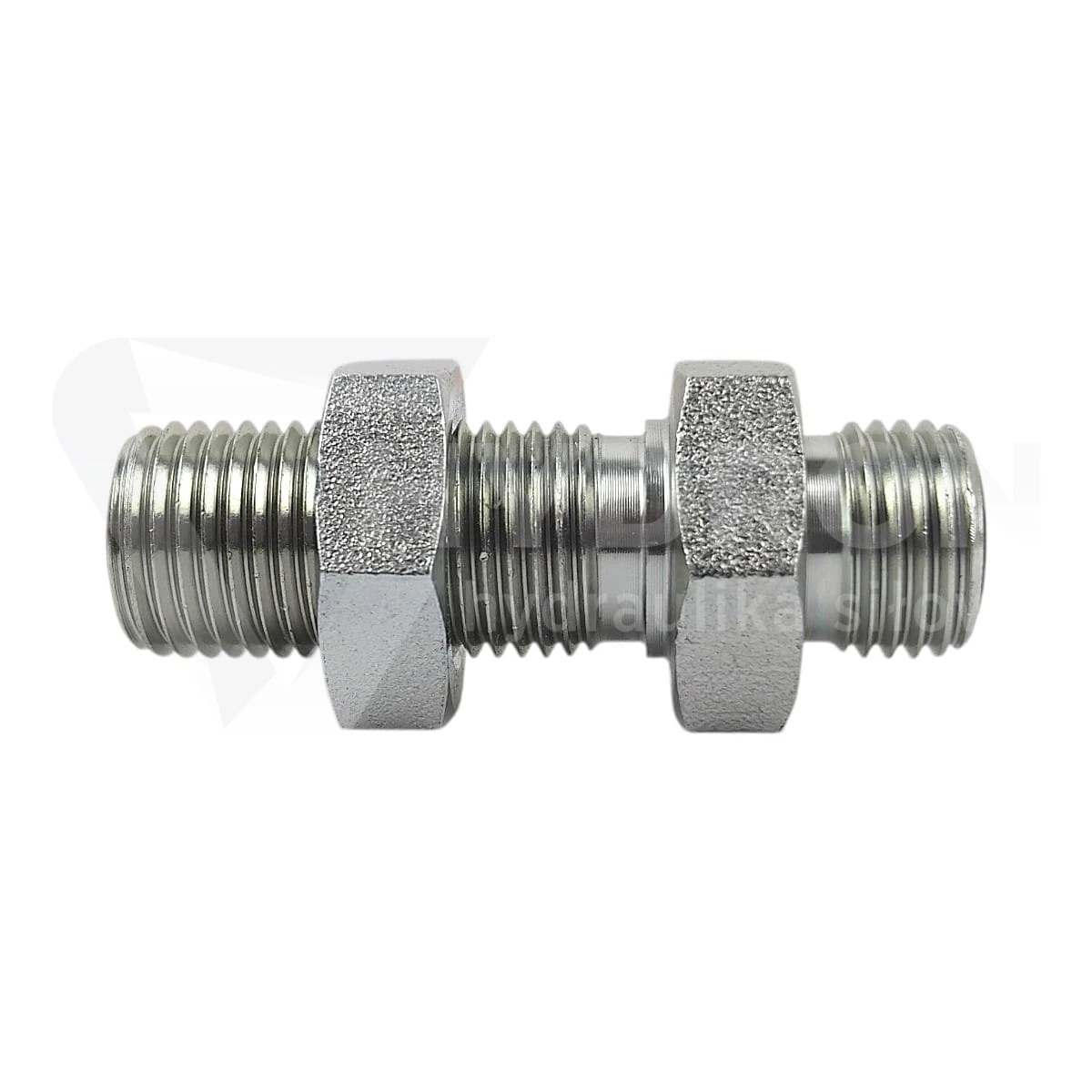
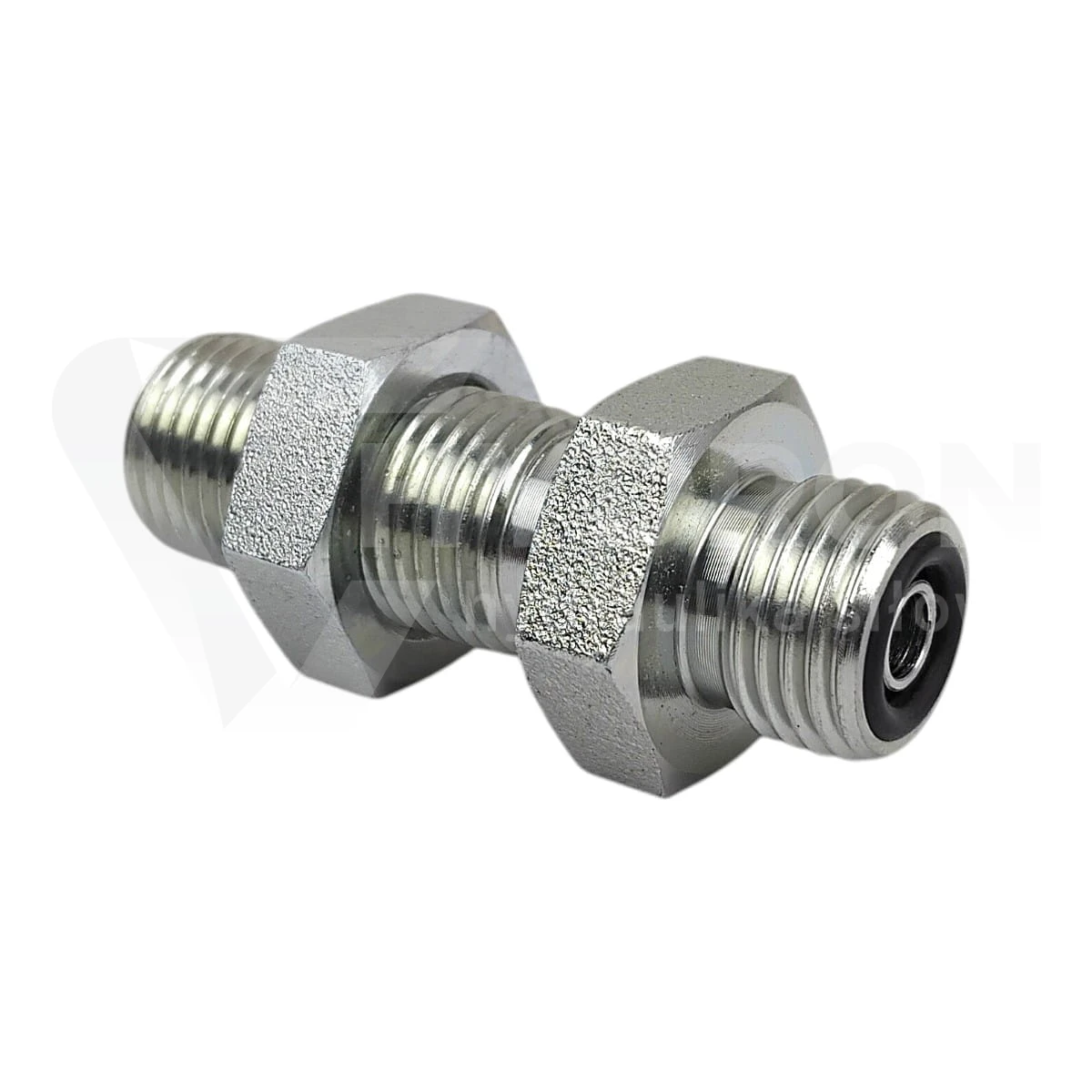
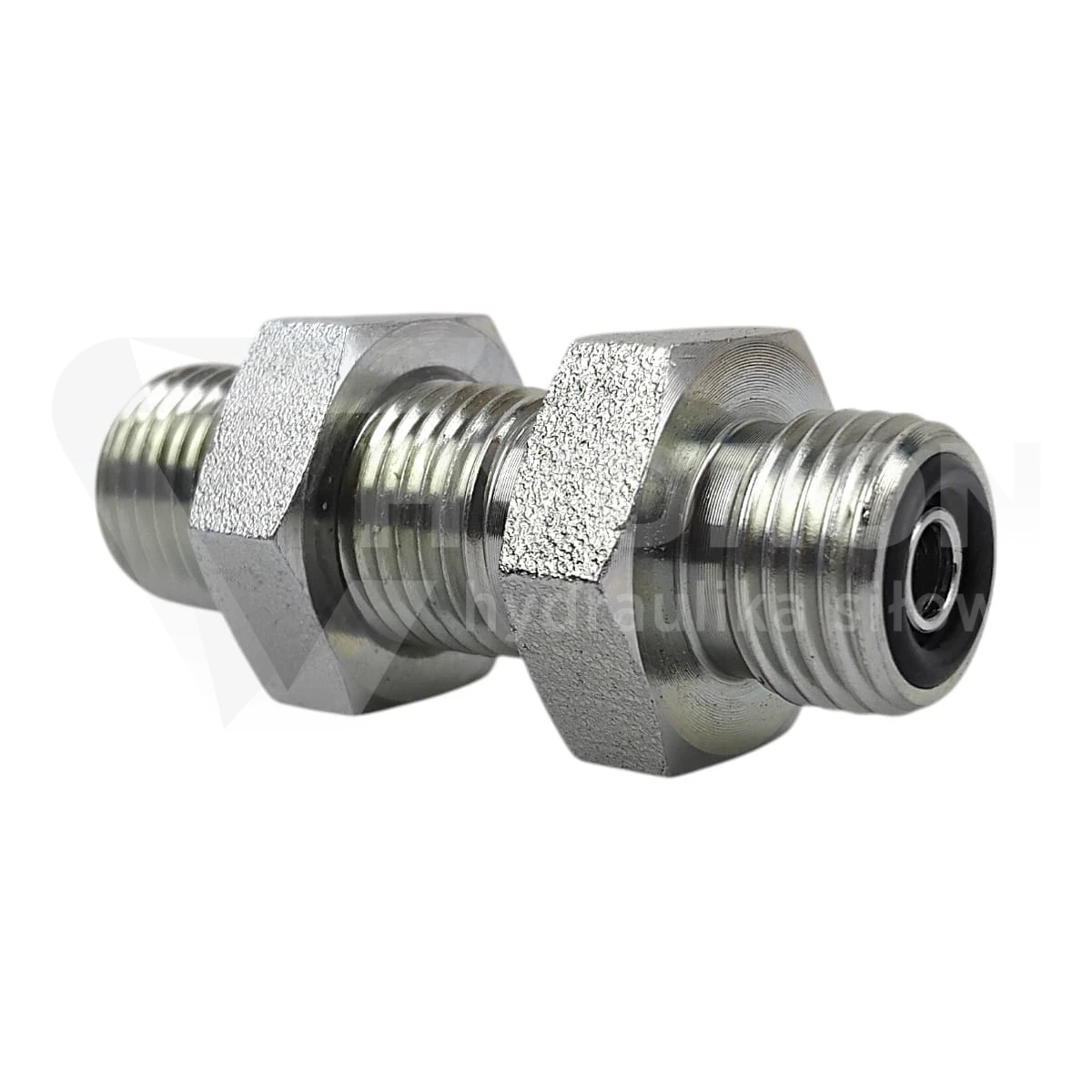
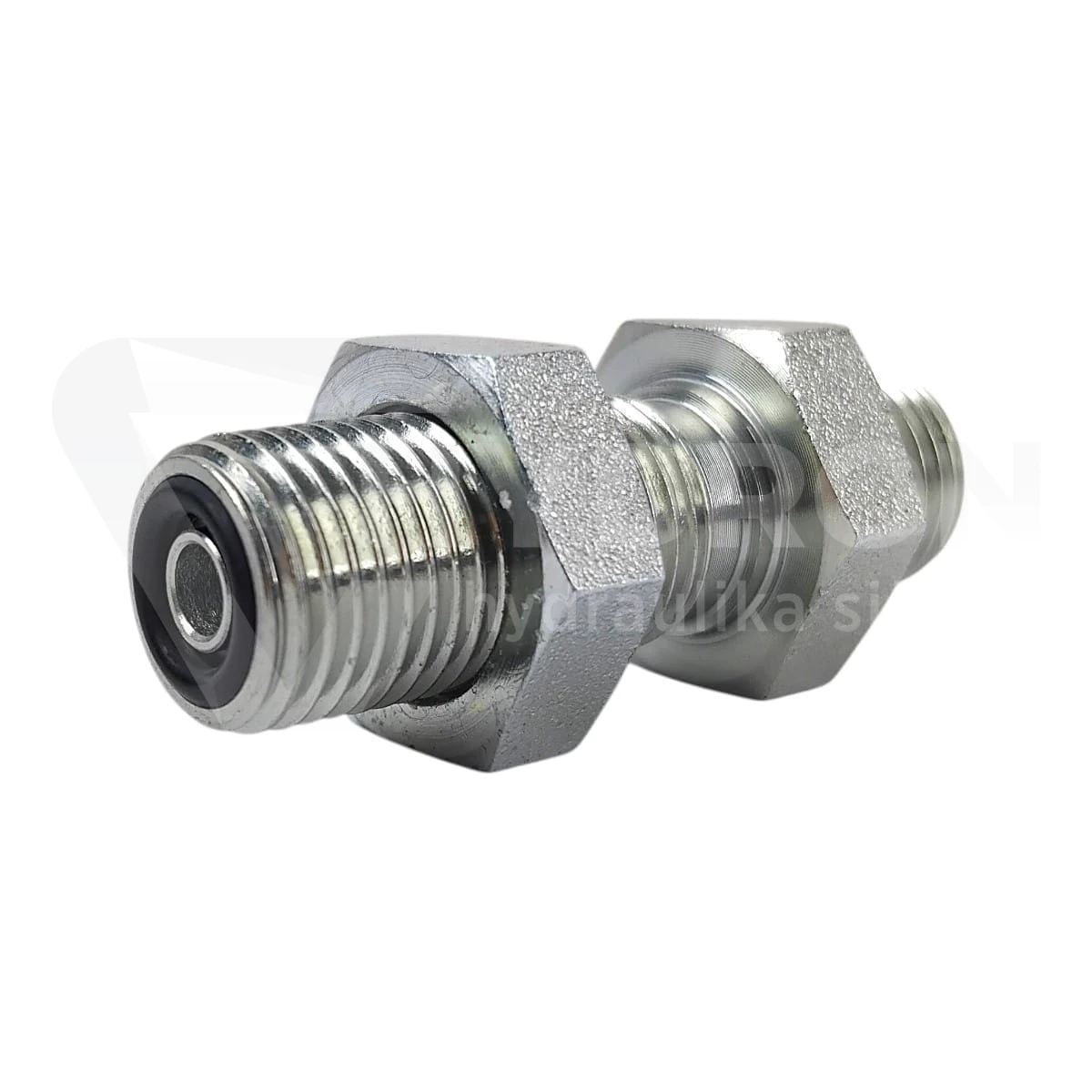
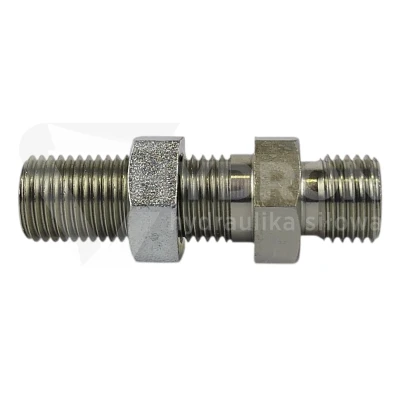
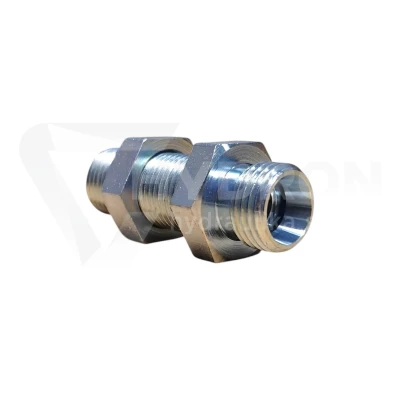
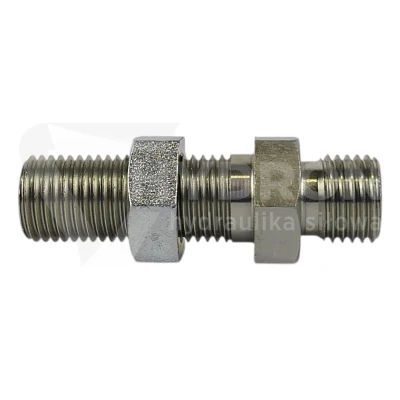
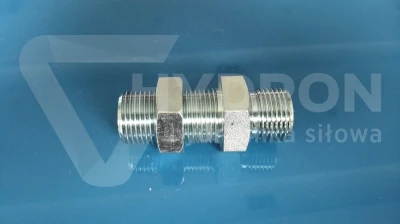
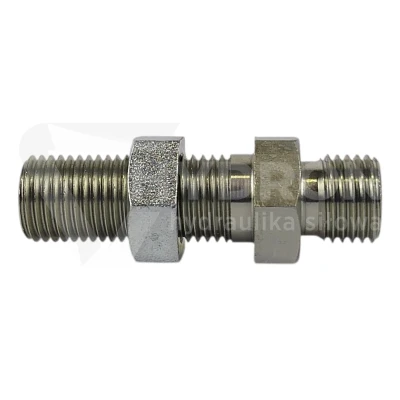
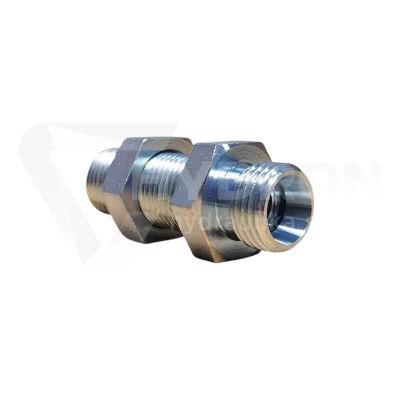
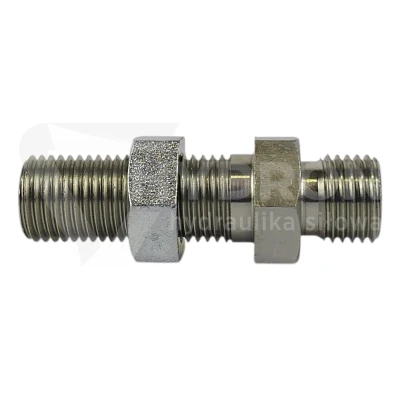
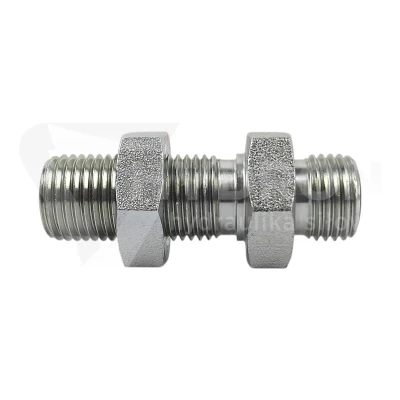
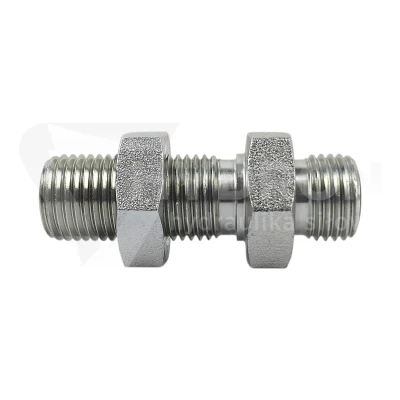
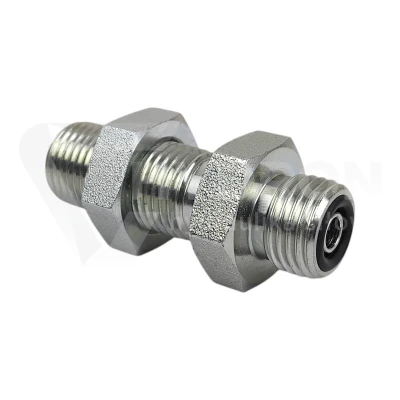
ORFS 11/16" Bulkhead Fitting
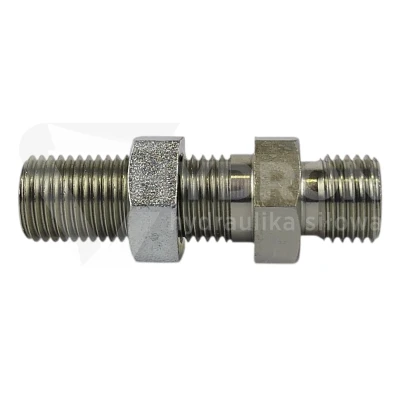
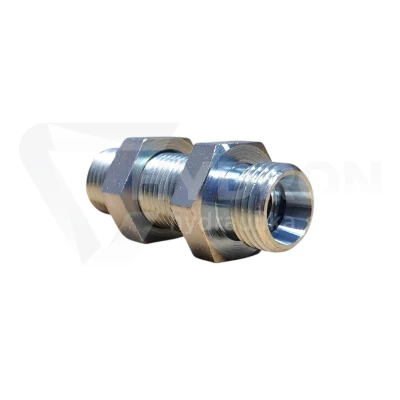
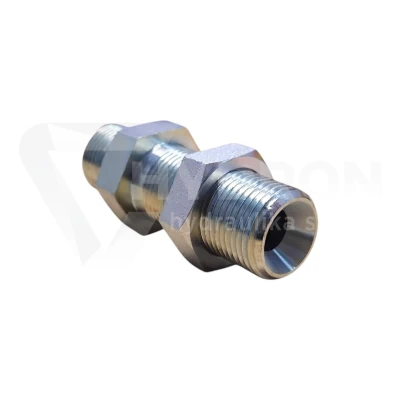
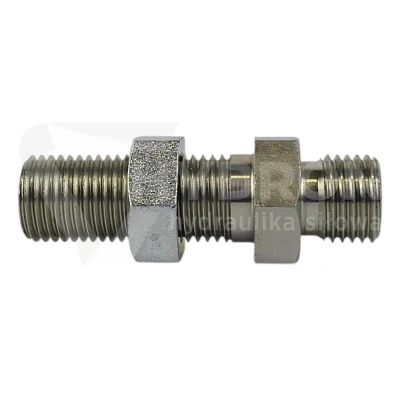
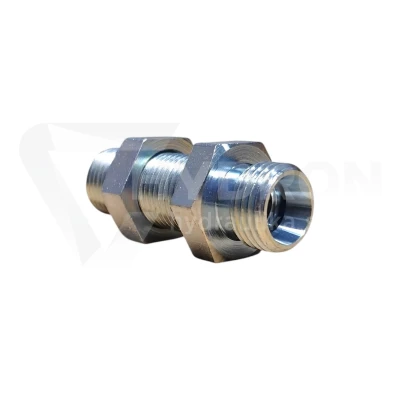
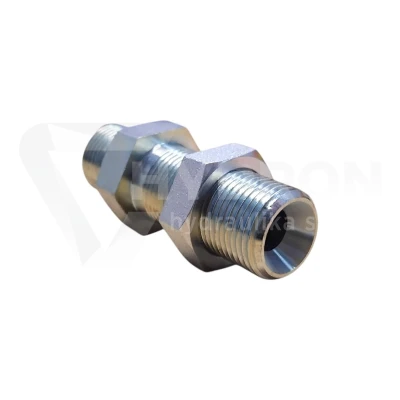
The ORFS 11/16" bulkhead fitting is a component designed to provide a stable hydraulic transition through a panel, bulkhead, bracket, mounting plate, or other structural part of a machine. The product features 11/16" ORFS male threads on both sides and is equipped with a locknut that allows the fitting to be seated in the mounting hole. This solution is used wherever a hydraulic hose should not pass through the structure loosely, without support and without direction control. The fitting operates at a pressure of up to 630 bar, which is why its selection requires checking not only the thread size but also the ORFS standard, the condition of the face surface, the O-ring seal, and the mating components on both sides of the bulkhead.
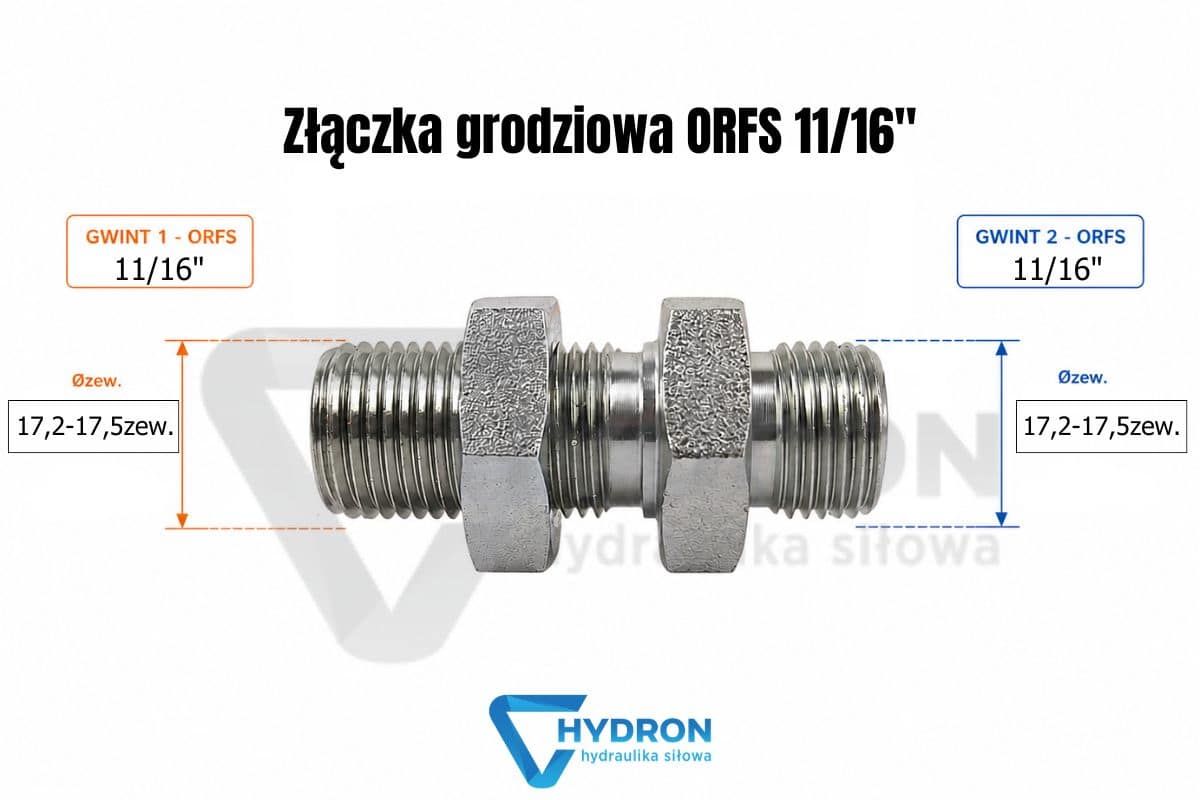
ORFS 11/16" bulkhead fitting for panel transition
In a hydraulic system, a panel transition is an area that often undergoes more stress than meets the eye. The hose may vibrate, change position with machine movement, or transfer forces to the thread. The ORFS 11/16" bulkhead fitting creates a fixed mounting point, so the hose on both sides of the partition can be routed in a more organized manner. The product is suitable for applications in agricultural, industrial, mobile, and service machines, as well as in hydraulic structures where a secure passage through the framework is needed. Other variants from the same group can be found in the category ORFS bulkhead fittings.
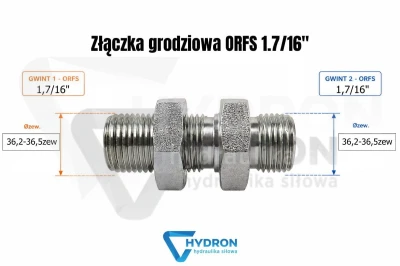
11/16" ORFS thread on both sides
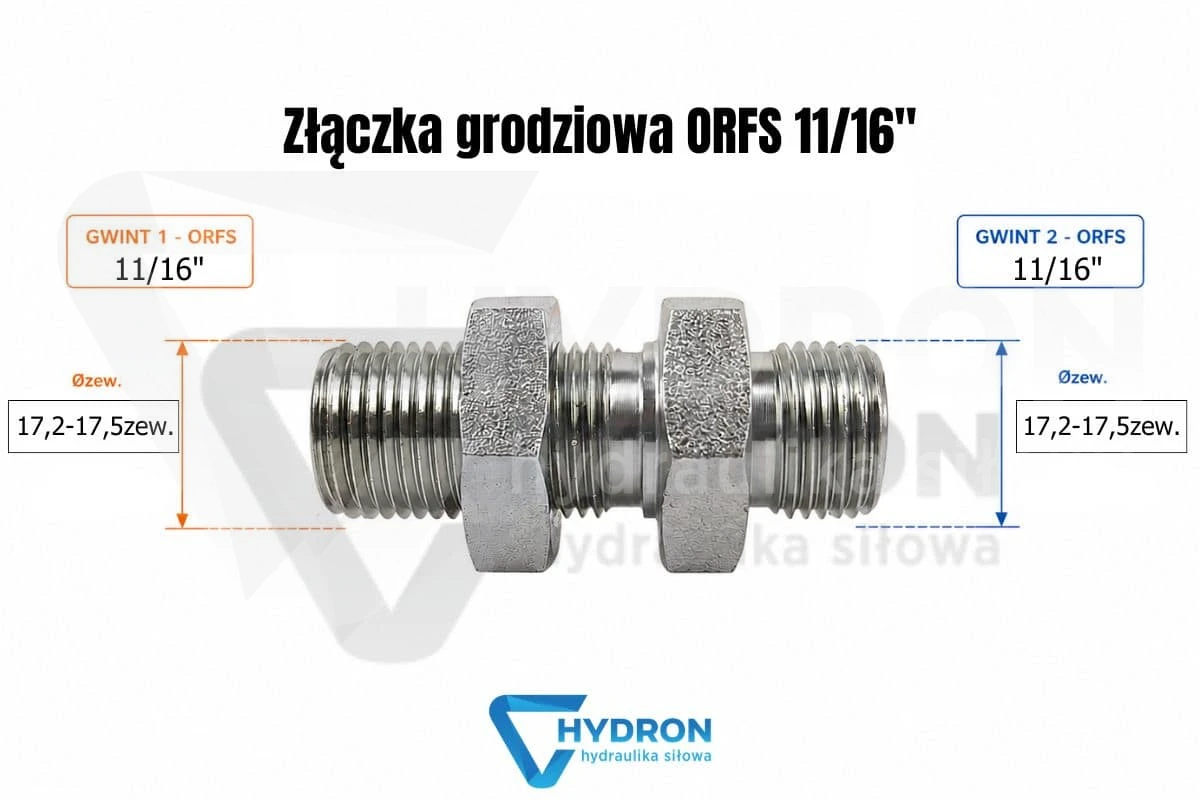
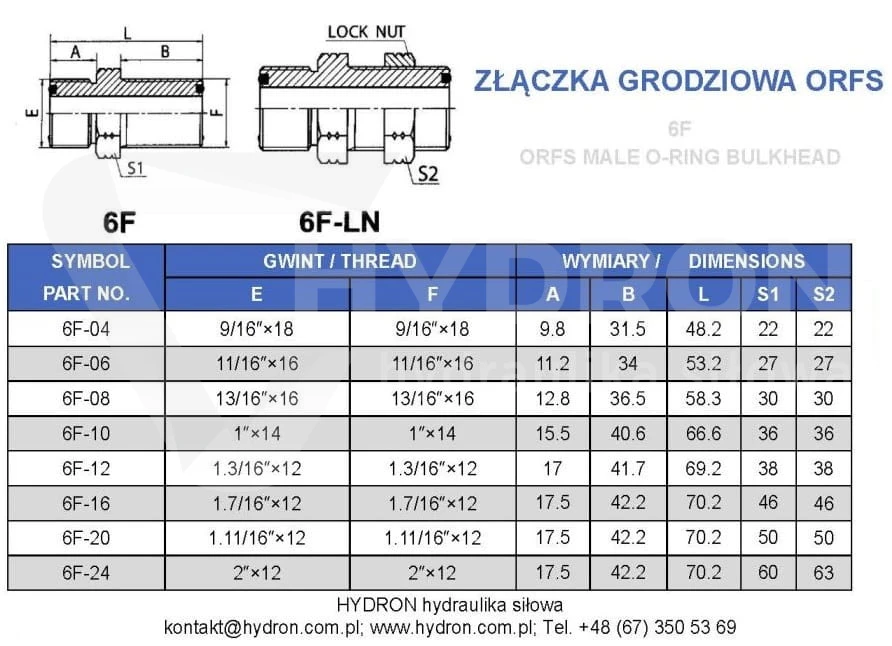
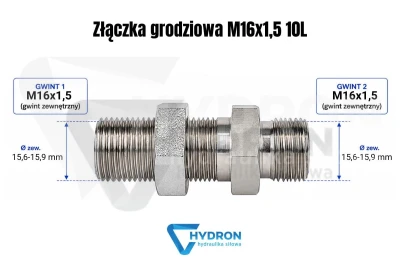
Both sides of this fitting feature the same 11/16" ORFS male thread. This means that the fitting is not a reducer between two sizes, but a straight bulkhead transition in a single standard. In practice, the larger thread and the smaller thread are the same, as there is an 11/16" ORFS on both sides. The thread dimension measured on the outside is 17.2-17.5 mm, and on the inside 15.8-16.1 mm. However, you should not select the product solely based on measuring the diameter, as ORFS is not a standard inch thread and should not be confused with JIC, BSP, NPT, or other standards used in hydraulics.
ORFS and O-ring face seal
ORFS stands for O-Ring Face Seal, which is a face connection with an O-ring seal. In this system, leak-tightness is not achieved by the thread itself, but by properly pressing the face surfaces with the seal. This changes how the connection is controlled. During installation, you must check the condition of the sealing face, the quality of the O-ring, the cleanliness of the seat, and the compatibility of the mating component. Even a correctly selected fitting may leak if the O-ring is cut, the face is scratched, or the hose pulls the fitting at an angle after assembly.
J1453 standard and compatibility of ORFS components
The fitting is manufactured as an ORFS component according to the J1453 standard. In practice, this means it should work with components made in the same sealing standard. Thread similarity is not enough. In repairs of imported machines, different types of inch connections often exist side by side, making selection by appearance risky. If the system requires a larger size, you can compare the product with the ORFS 1" bulkhead fitting. For very large transitions, there is also the ORFS 2" bulkhead fitting.
Locknut and proper seating in the bulkhead
The locknut allows the fitting to be secured in the panel or bulkhead hole. This is important because a bulkhead transition is meant not only to connect hoses but also to stabilize the transition point through the structure. If the fitting is not seated correctly, the hose may transfer vibrations to the thread and the sealing surface. Before installation, check the hole diameter, panel thickness, clearance for tightening the locknut, and the routing of hoses on both sides. In vibration-prone systems, a well-planned mounting is just as important as the correct thread.
When not to use an ORFS bulkhead fitting as a standard adapter
The ORFS 11/16" bulkhead fitting is not a standard thread adapter. Its main function is mounting through a partition and establishing a fixed transition point. If the component is to be screwed directly into the body of a pump, valve, distributor, or actuator, a stud fitting designed for such a port must be selected. For body connections, other product groups are used, such as straight hydraulic stud fittings. Using a bulkhead fitting outside its intended function can complicate installation and lead to leaks.
630 bar pressure and inspection of the entire section
The working pressure of this fitting is 630 bar. This is a high parameter, but it does not automatically mean that the entire line section can operate at the same pressure. The limitation may be the hose, fitting, O-ring, tube, valve, or the mating component on the other side of the panel. When replacing a bulkhead fitting, it is worth checking the entire system section, especially if the previous connection had been tightened several times or a leak appeared under load. To check the actual pressure in the system, you can use hydraulic pressure gauges.
Installation without twisting the hose
An ORFS connection works well when the hose is matched to the installation point and does not force the fitting's position. A hose that is too short, an incorrect fitting angle, or a bending radius that is too small can stress the face surface and the O-ring seal. Such an error often does not manifest immediately. A leak may only appear after the machine is in operation, when the system starts transmitting vibrations and fluctuating pressure. When building a new section, it is worth ordering custom hydraulic hoses, tailored to the actual layout of the system.
Common mistakes with the ORFS 11/16" fitting
The most common mistake is confusing ORFS with another inch thread. The component may look similar, but the sealing method is different. The second mistake is installing an old, damaged O-ring or assembling the connection on a dirty face surface. A third problem arises when the bulkhead fitting becomes the sole support for the hose. The fitting is meant to stabilize the transition, but it should not bear the entire weight and vibration of the system. If the hose might rub against the panel or frame, it is recommended to use spiral guards for hydraulic hoses.
Securing hoses on both sides of the bulkhead
The bulkhead transition should work in tandem with a properly routed system. If the hose is long, rigid, or exposed to vibrations, additional mounting points should be planned. To stabilize tubes and hoses, use tube and hose clamps. Such mounting reduces system movement, relieves stress on the thread, and minimizes the risk of the connection loosening. In small ORFS transitions, this is particularly important because even slight tension can degrade the working conditions of the face seal.
Products to compare for part identification
If the old fitting has been removed from the machine and has no legible marking, it is worth comparing it with other components from the same family. For a smaller transition, you can check the ORFS 9/16" bulkhead fitting. For a larger size, it will be helpful to look at the ORFS 13/16" bulkhead fitting. If the system is not built to the ORFS standard, you should check other hydraulic bulkhead fittings, instead of matching the component based on a similar thread diameter.
Product technical data
- Product: ORFS 11/16" bulkhead fitting
- Fitting type: straight - connector, adapter
- Purpose: bulkhead fitting
- Thread 1: 11/16" ORFS
- Thread 1 dimension: 17.2-17.5 mm external / 15.8-16.1 mm internal
- Thread 2: 11/16" ORFS
- Thread 2 dimension: 17.2-17.5 mm external / 15.8-16.1 mm internal
- Larger thread: no difference, both sides 11/16" ORFS
- Smaller thread: no difference, both sides 11/16" ORFS
- Working pressure: 630 bar
- Execution standard: ORFS J1453 fittings
- Operating temperature: from -20°C to +120°C
- Material: free-cutting steel
- Surface protection: white passivated zinc plating
- Execution: with locknut
- Vitillo designation: APPMO0909
- Cast designation: 6050-09
- Product code: ZN-141-1 11/16 ORFS
- EAN barcode: 2000010049400
Hydron's assistance in selecting ORFS fittings
When selecting an ORFS 11/16" bulkhead fitting, it is best to specify the thread size, ORFS standard, working pressure, installation point, and whether the component passes through a panel, frame, hydraulic plate, or other structural part. Hydron supplies bulkhead fittings, stud adapters, hoses, end fittings, tubes, guards, and mounting elements for fluid power systems. If you are unsure whether the ORFS 11/16" bulkhead fitting, a different ORFS size, a BSP fitting, or a metric variant will be right, it is worth verifying the part before purchase.
FAQ
Is the ORFS 11/16" bulkhead fitting used for panel mounting?
Yes. It is a bulkhead fitting designed to create a stable transition through a panel, bulkhead, wall, frame, or mounting plate.
What threads does the ORFS 11/16" bulkhead fitting have?
The product has 11/16" ORFS male threads on both sides.
Which thread is larger in this fitting?
Both sides have the same 11/16" ORFS size, so there is no difference between the larger and smaller thread. However, the ORFS standard must be confirmed before installation.
What is the working pressure of the ORFS 11/16" bulkhead fitting?
The working pressure is 630 bar. However, the entire hydraulic system should be evaluated according to the parameters of the weakest component in the setup.
What does ORFS stand for?
ORFS stands for O-Ring Face Seal. This system requires a compatible face surface and the correct O-ring.
Can this fitting be used as a standard adapter?
It should not be treated as a standard adapter. It is a bulkhead fitting with a locknut, designed for installation through a bulkhead or panel. If the component is to be screwed directly into a body, an appropriate stud fitting must be selected.
What to check before buying an ORFS 11/16" fitting?
Before purchasing, you should verify the 11/16" ORFS size, thread diameter, ORFS sealing standard, 630 bar working pressure, mounting location, and the mating components on both sides of the bulkhead.
Product Reviews
If you've added a review and it doesn't appear on the list, it may be pending moderation.
Leave feedback on the product
Product Safety
Manufacturer
HYDRON hydraulika siłowa
Kujańska 6a
77-400 Złotów, Poland
+48 67 350 53 69 kontakt@hydron.com.pl Report a product safety issue
Responsible person in the EU
HYDRON hydraulika siłowa
Kujańska 6a
77-400 Złotów, Poland
+48 67 350 53 69 kontakt@hydron.com.pl Report a product safety issue
Related Products
-
€3.11€2.53
-
€2.03€1.65
-
€2.03€1.65
-
€2.23€1.82
-
€4.95€4.03
-
€12.03€9.78
-
€16.23€13.20
-
€5.61€4.56
-
€15.84€12.88
-
€8.80€7.15
-
€6.71€5.45
-
€37.39€30.40
-
€16.49€13.41
-
€8.49€6.90
-
€5.10€4.15
-
€3.14€2.55
Other Products in This Category
-
€27.79€22.59
-
€22.96€18.67
-
€16.23€13.20
-
€13.97€11.35
-
€9.25€7.52
Bestsellers
-
€3.38€2.75
-
€0.87€0.70
-
€0.64€0.52
-
€4.73€3.85
-
€4.39€3.57
-
€0.90€0.73
-
€5.07€4.12
-
€4.50€3.66
-
€1.27€1.04
-
€3.01€2.44
-
€2.70€2.20
-
€1.86€1.51