









Hose test benches
Produkty z kategorii
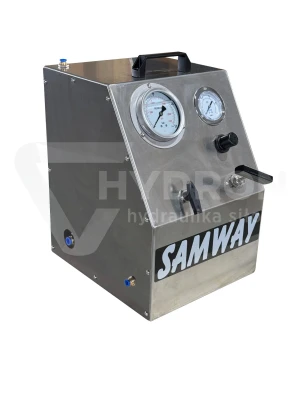
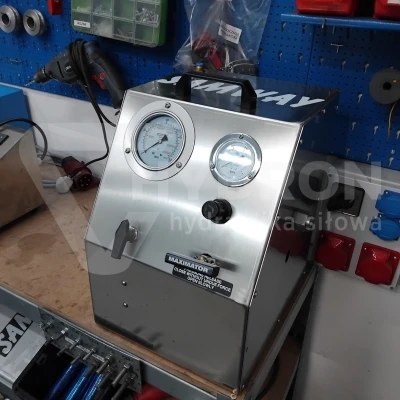
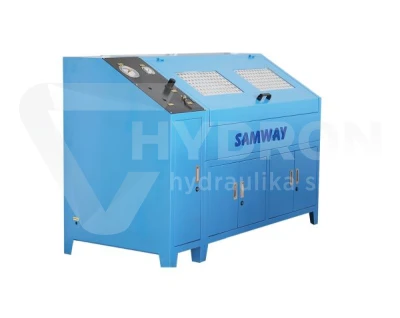

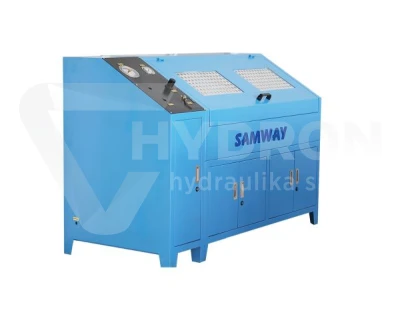
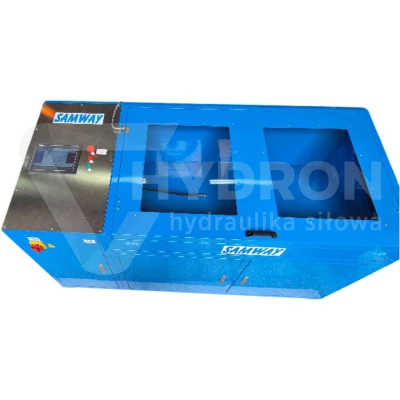

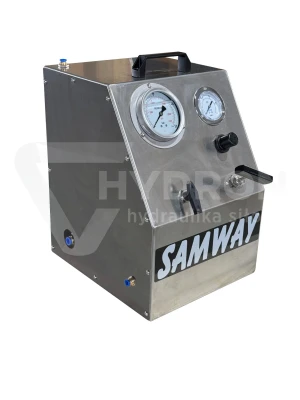
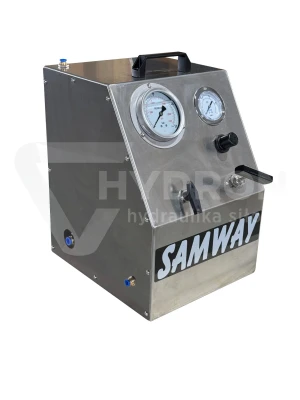
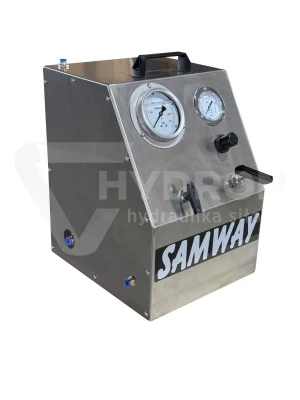
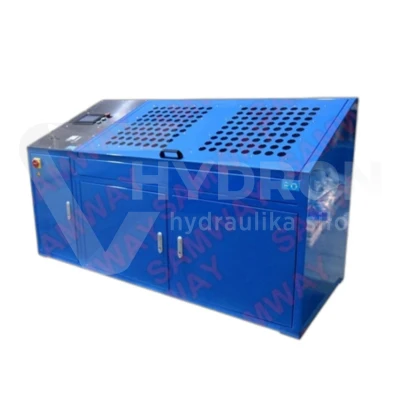
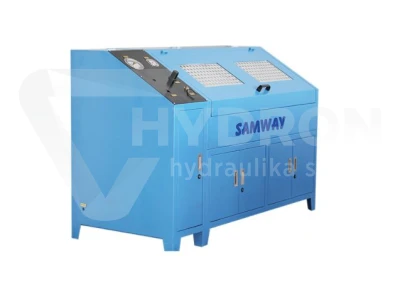

Test benches - hose testing machines
Pressure testing of hydraulic assemblies is not only a matter of compliance with standards, but above all the safety of users and the reliability of the entire hydraulic system. Thanks to the use of modern equipment, such as Hydron test benches, it is possible to ensure the highest quality of products and services.
Check also :
- hydraulic assembly inspection manual 1
- hydraulic assembly inspection manual 2
- hydraulic assembly leak test manual
- working pressure of hydraulic hoses
- pressure of components used in power hydraulics
Equipment for pressure testing of hoses and assemblies
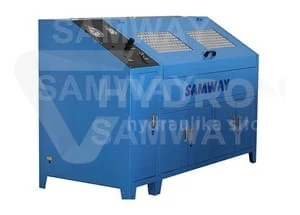
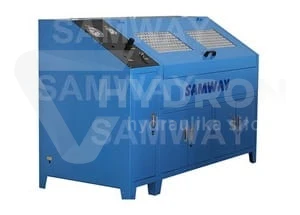
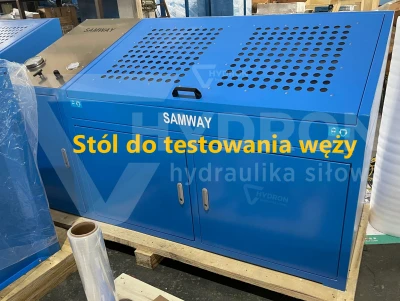
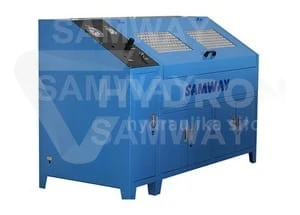
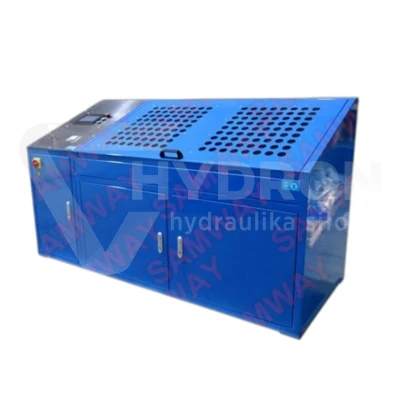
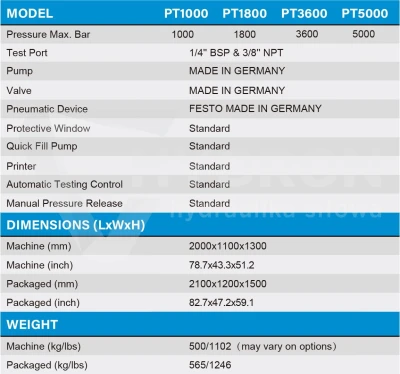
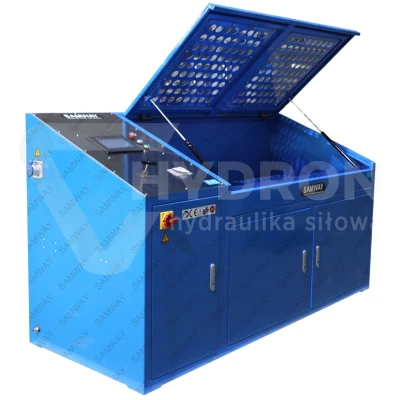
The range includes benches for testing hydraulic assemblies ( testing pressure of finished crimped hydraulic assemblies ) We offer benches with various pressure ranges depending on the size of the strength tests. Benches designed for testing the technical condition and correctness of assembly crimping. Key features : Quick but controlled filling with test medium and manual or automatic control of the test process. Extensive equipment such as: bench-PC communication module, test memory, custom test chamber dimensions, temperature sensor with alarm, flushing system and others according to the Customer's wishes. Commissioning and operator training provided as part of the delivery.
Testing hydraulic hoses
For standard hoses and power hydraulic assemblies the test pressure is twice the maximum working pressure of the hose. Testing is static, and the test pressure holding time is several dozen seconds. Depending on requirements, only part or 100% of the production can be tested. Hose testing equipment is equipped with a closed testing chamber in which one or many tested assemblies are mounted. The testing medium is water, oil emulsion or oil.
Pressure testing of assemblies – HYDRON services
We offer professional on-demand pressure testing of hydraulic assemblies, which help to guarantee the highest level of safety and reliability of hydraulic systems. Thanks to advanced test benches and modern methods, we carry out pressure tests that precisely check the resistance of assemblies to high loads. Our services are tailored to individual customer needs, providing comprehensive technical support and certified test results. By entrusting us with pressure testing, you can be sure that each assembly meets rigorous quality standards, which contributes to the optimal operation of hydraulic systems.
Pressure testing of hydraulic assemblies – what you should know?
Pressure testing of hydraulic assemblies is an extremely important stage that allows checking their strength, tightness, and compliance with safety standards. Thanks to the use of professional test benches, such as those offered by Hydron, it is possible to conduct precise pressure tests that confirm the quality of the crimped assembly.
Working pressure vs. burst pressure
-
Working pressure – Jest to maksymalne ciśnienie, przy którym przewód hydrauliczny może pracować w sposób ciągły i bezpieczny. Przewody hydrauliczne są projektowane tak, aby wytrzymywać to ciśnienie przez długi czas, bez ryzyka uszkodzeń czy przecieków. Dla każdego przewodu wartość ta jest określana przez producenta i musi być zgodna z obowiązującymi normami.
-
Burst pressure – Jest to graniczne ciśnienie, przy którym przewód hydrauliczny ulega uszkodzeniu lub całkowitemu zniszczeniu. Zwykle wartość ta jest kilkukrotnie wyższa od ciśnienia roboczego, co stanowi dodatkowe zabezpieczenie. Testowanie pod kątem ciśnienia rozrywającego pozwala określić maksymalną wytrzymałość przewodu.
Burst and destructive tests – when and why are they performed?
Burst tests, also known as destructive tests, involve gradually increasing the pressure in the assembly until it is damaged. The purpose of this test is:
- Checking the maximum strength parameters of the assembly.
- Confirming compliance with technical and safety standards.
- Verification of the quality of the assembly manufacture and the correctness of its crimping.
These types of tests are particularly useful in situations where assemblies are to be used in extreme operating conditions, where the reliability of the hydraulic system is crucial.
Why is testing hydraulic assemblies important?
Pressure testing allows ensuring that the hydraulic assembly has been correctly crimped and meets all safety standard requirements. It is a key process for both manufacturers and end-users because it:
- Eliminates the risk of failure – Detecting potential defects at the testing stage avoids problems during use.
- Increases safety – Assemblies that have passed tests are less prone to leaks or ruptures during operation.
- Guarantees compliance with standards – Through testing, it can be confirmed that the product meets the requirements of specific standards, such as ISO or DIN.
Hydron test benches – precision and safety
Hydron offers professional test benches that enable precise testing of hydraulic assemblies for working and burst pressure. With advanced features, these devices provide:
- Accurate measurements of pressure and assembly strength.
- The ability to conduct destructive and non-destructive tests.
- Intuitive operation and compliance with the latest standards.
FAQ – test benches for hydraulic hoses
Can the device work with water or is only hydraulic oil an option?
The device is designed for testing using distilled water. This solution allows for safe and clean pressure testing without the risk of contaminating the tested assemblies with hydraulic oil.
Can a pressure transducer be connected to an existing system for recording?
Yes. It is possible to connect a pressure transducer to the existing system to record pressure values during the test. This allows for precise control and archiving of test results.
The product data sheet contains information about an optional printer. What functions does it perform? Is it possible to print a pressure build-up graph?
Yes. The optional printer allows for printing a graph showing the pressure build-up over time. This is particularly useful for documenting tests and confirming the correctness of the pressure test.
How is the pump powered – pneumatically or electrically?
The pump is pneumatically powered, using compressed air from a compressor. This solution increases work safety and allows the test bench to be used in various workshop and industrial conditions.

Check also :