





Need help? Have a question? Call our sales team



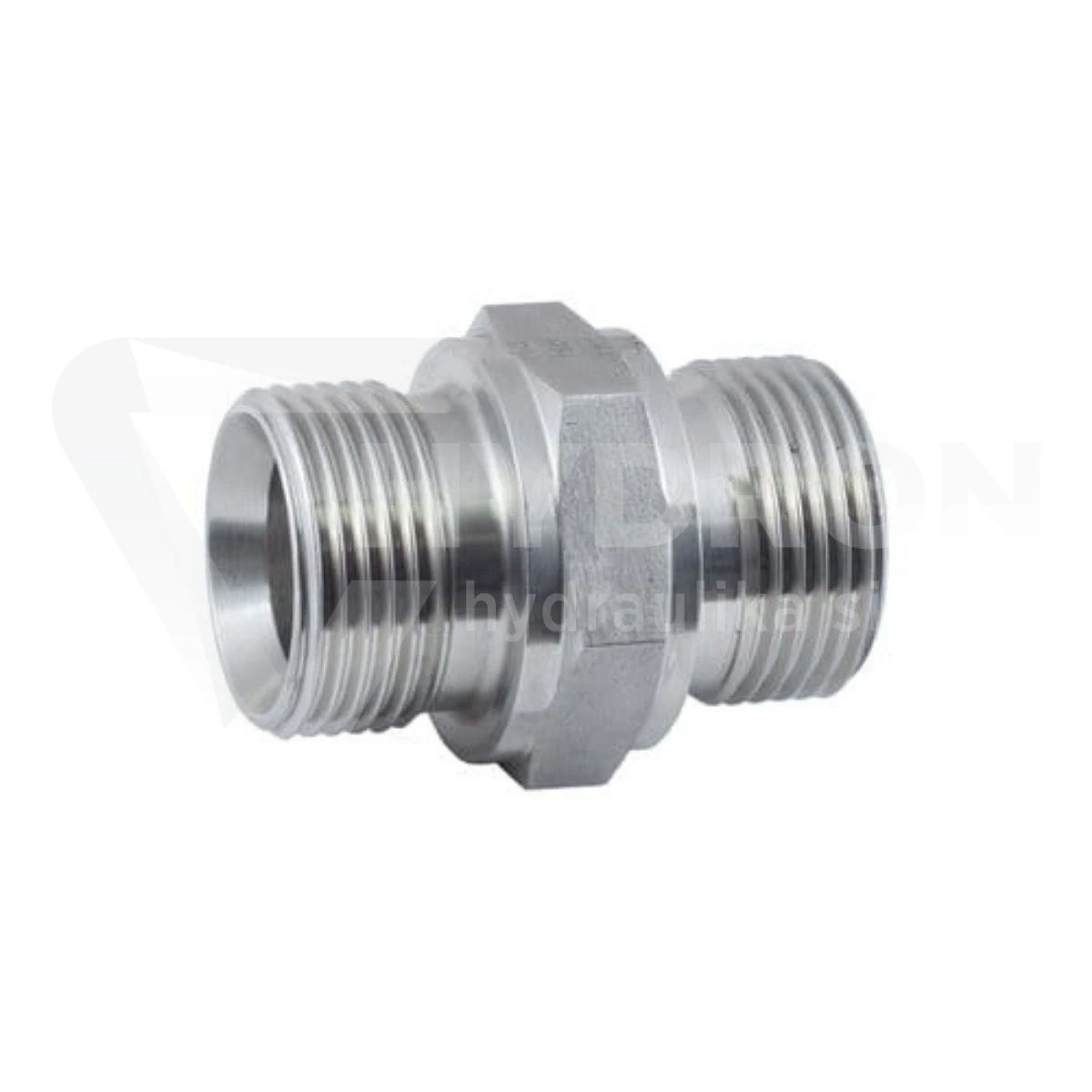
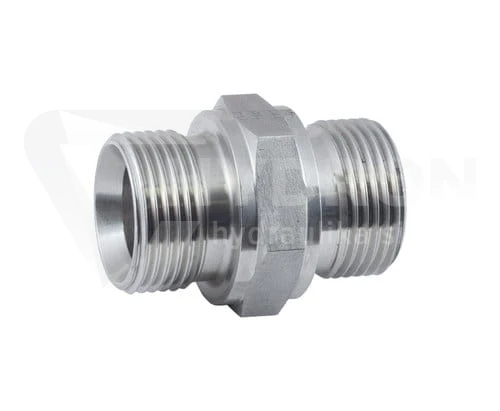


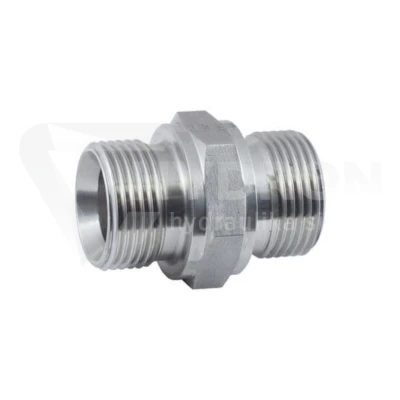
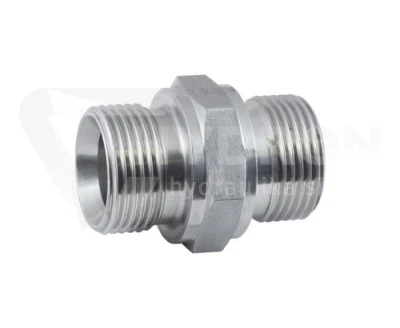
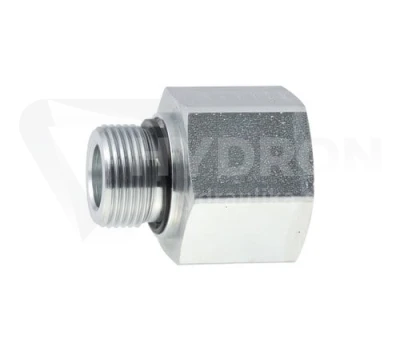
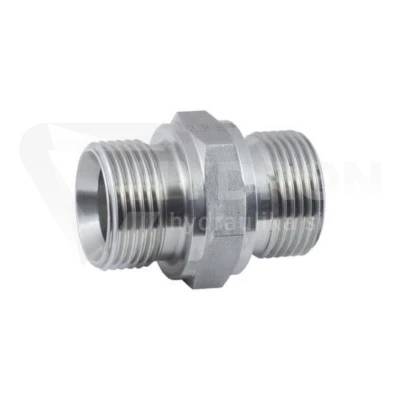
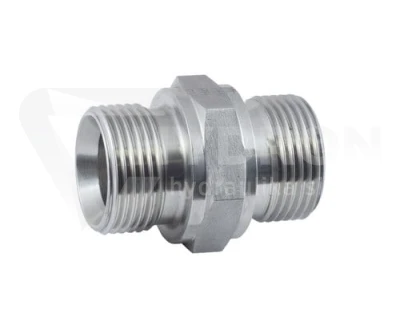
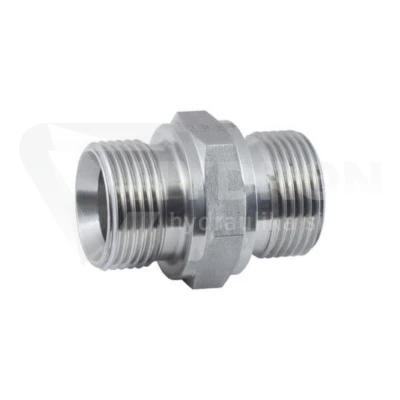
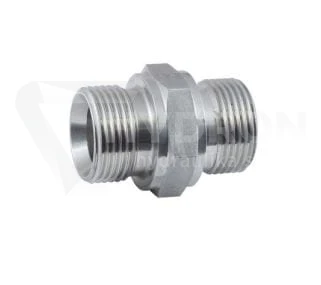
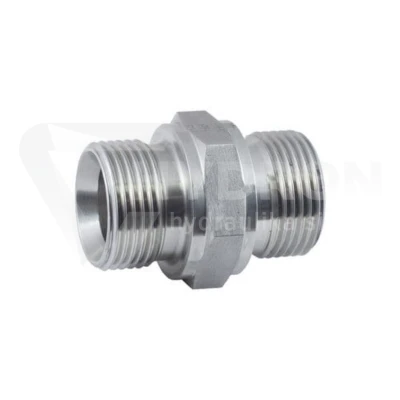
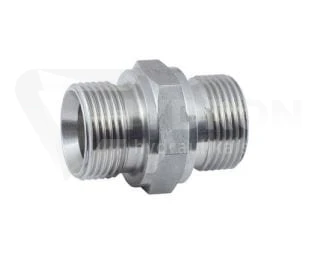
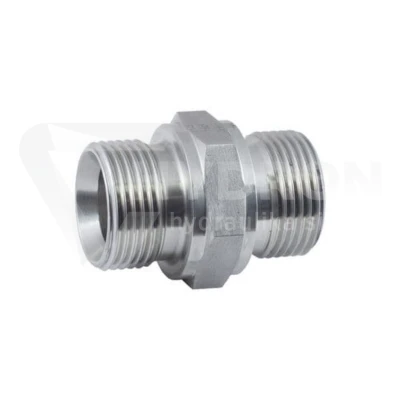
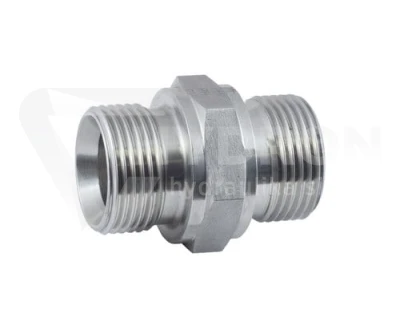
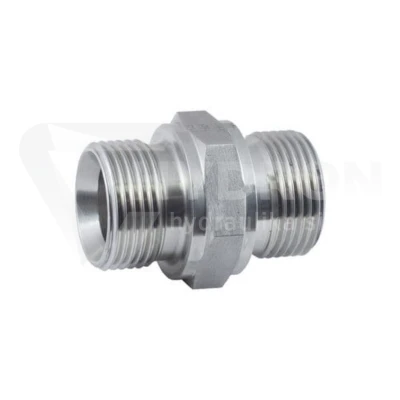
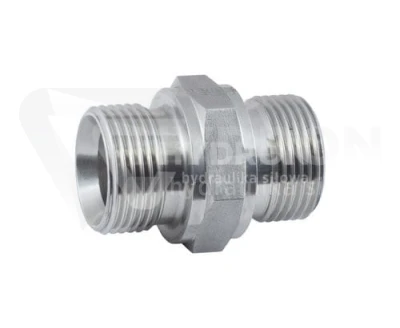
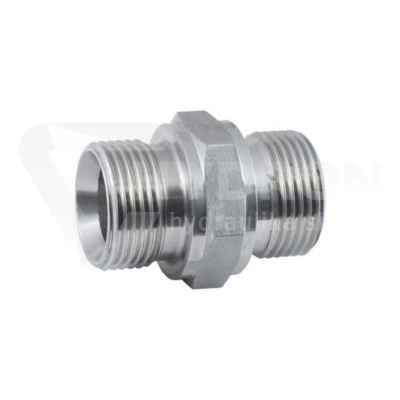
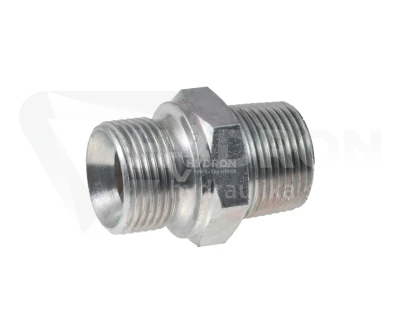
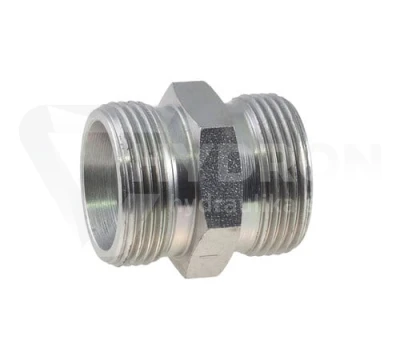
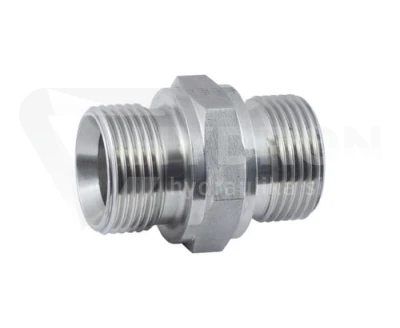
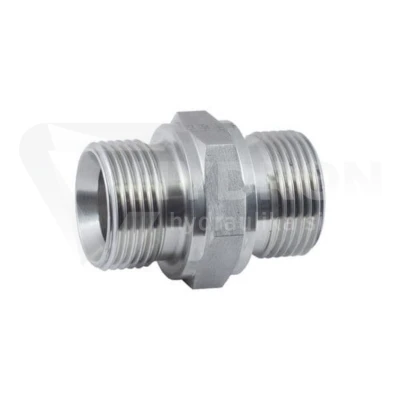
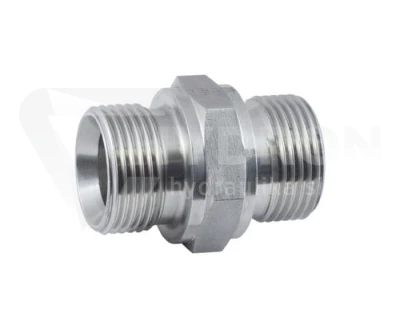
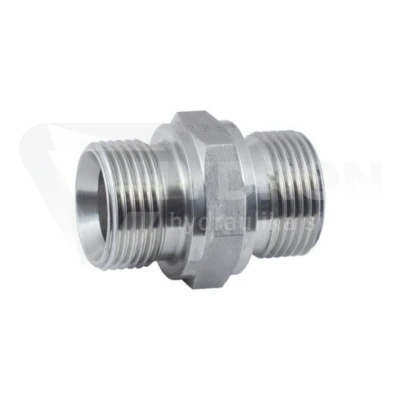
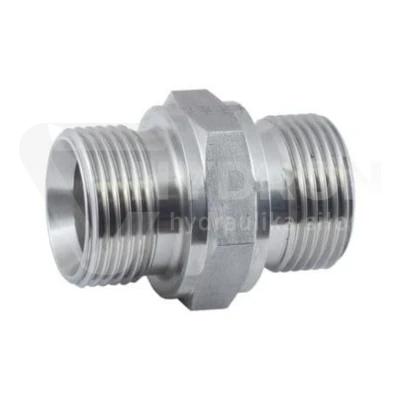
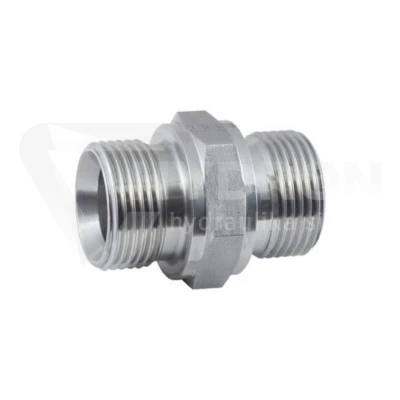
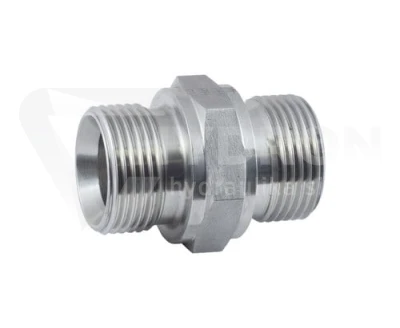
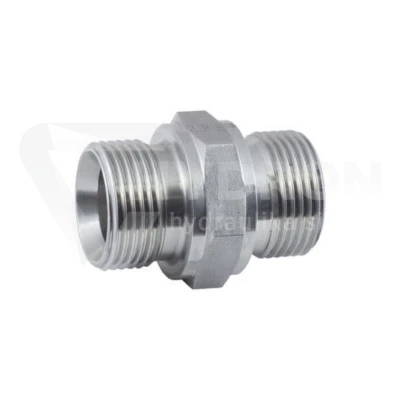
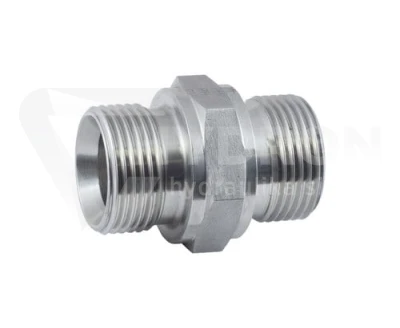
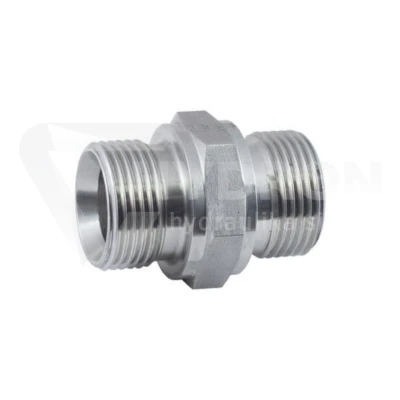
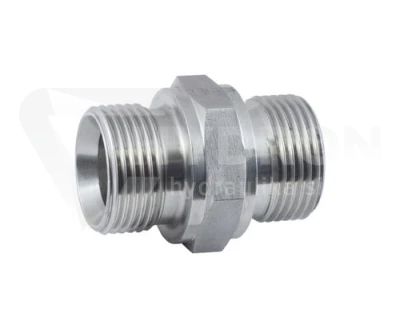
Straight fitting BB BSP 1/4" / 3/4''
Leave feedback on the product

Shipping costs are not included in the price.
Shipping costs are not included in the price.
Do darmowej dostawy brakuje Ci jedynie 100 zł
Masz darmową dostawę ✓

Product code: CN-141 1/4/3/4
Barcode: 5905009125738
Our top pick :) Our warehouse packs orders until 3:00 PM, and GLS picks them up at 5:00 PM. It’s our customers’ most popular choice and the courier that works best for us.
Shipping cost for the selected product
The shipping cost applies to this product (in the selected variant - if applicable). It may change after adding other products to the cart.
Ask about the product

Administratorem danych osobowych jest HYDRON hydraulika siłowa . Przetwarzamy je w celu przesłania odpowiedzi na zapytanie. Więcej informacji dotyczących przetwarzania danych osobowych znajduje się w polityce prywatności.
Share the product card


Description
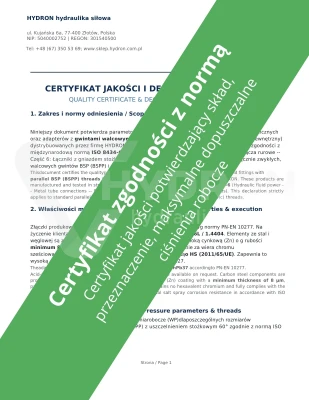
Straight reducing fitting BB BSP 1/4" / 3/4" 250 bar
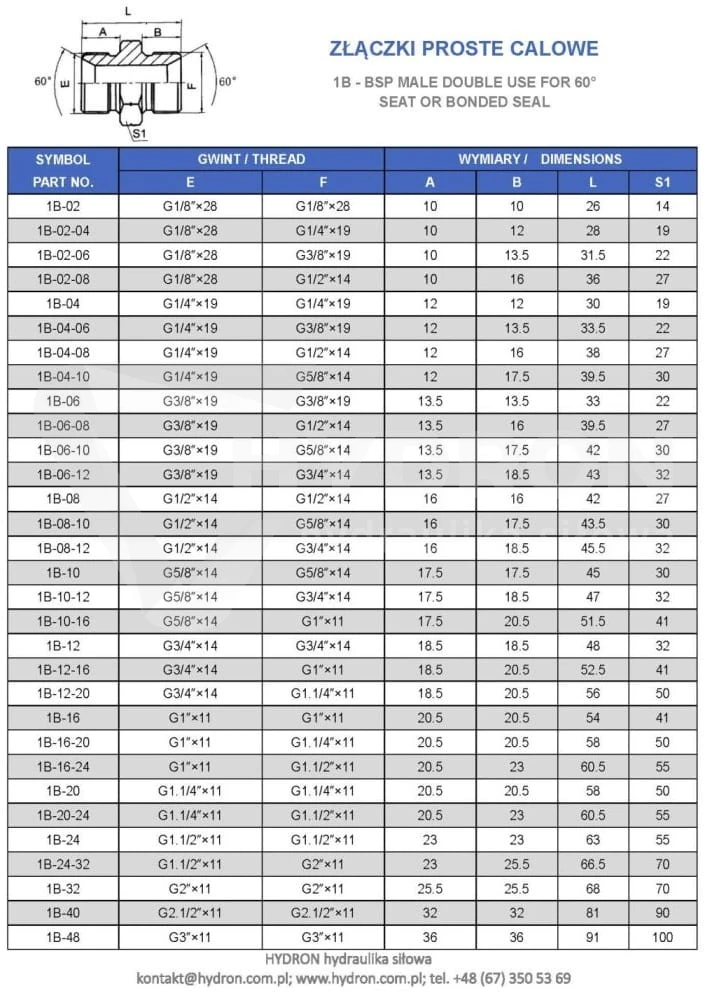
Straight fitting BB BSP 1/4" / 3/4" is a steel hydraulic connector designed for the direct connection of two elements having different BSP port sizes. On one side there is a BSP 1/4" male thread, while on the other is a much larger BSP 3/4" male thread. The reducing design allows for a transition between two diameters using a single element.
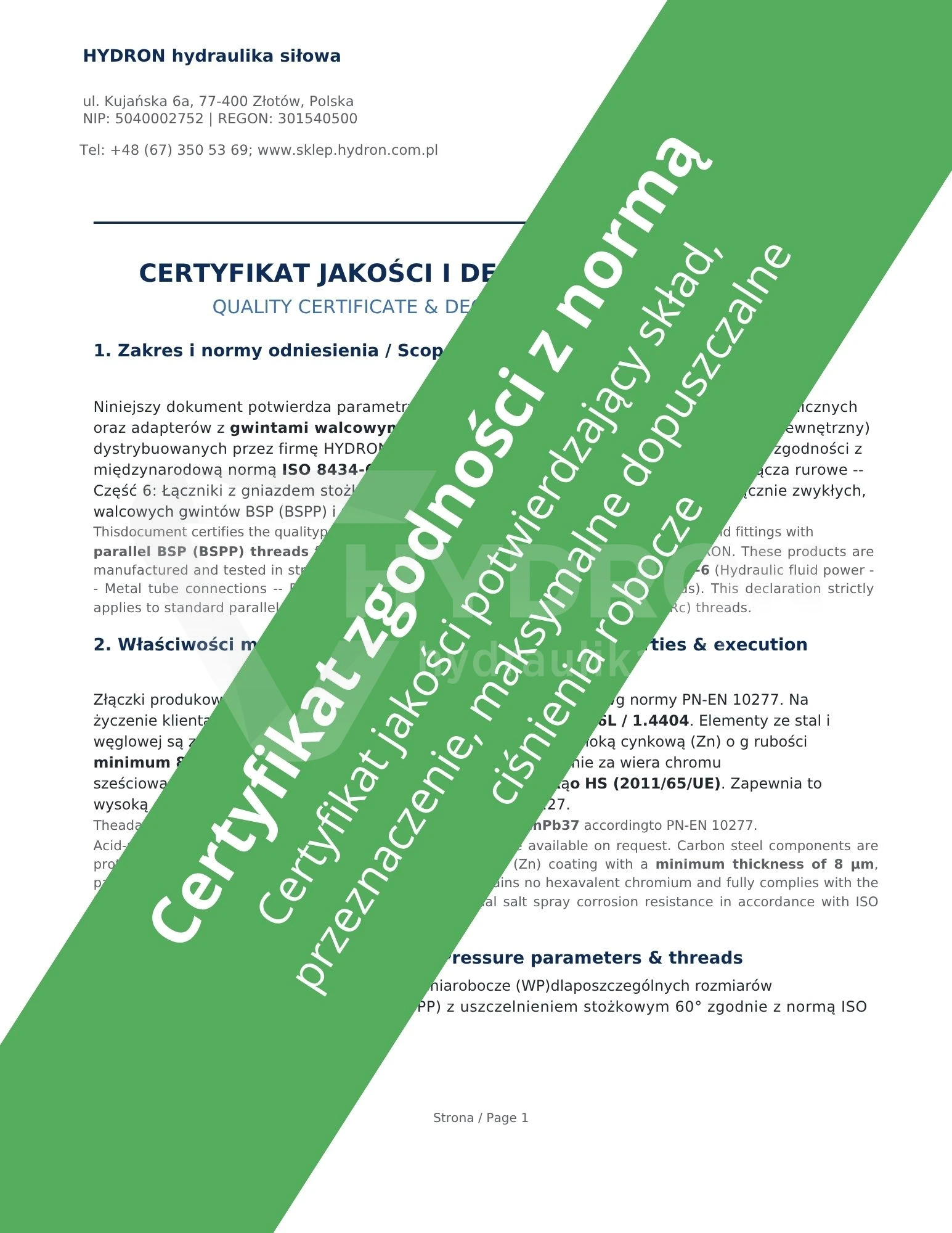
The fitting features a 60° sealing cone and is intended for use in hydraulic systems. The body is made of free-cutting steel, and the surface is protected by zinc plating with white passivation. The maximum working pressure for this model is 250 bar.
Technical parameters of the BB BSP 1/4" / 3/4" fitting
- product type: BB straight hydraulic fitting,
- type: reducing fitting,
- thread 1: male BSP 1/4",
- thread 2: male BSP 3/4",
- BSP 1/4" thread dimension: 12.9-13.1 mm external / 11.4-11.9 mm internal,
- BSP 3/4" thread dimension: 26.1-26.4 mm external / 24.1-24.5 mm internal,
- sealing cone angle: 60°,
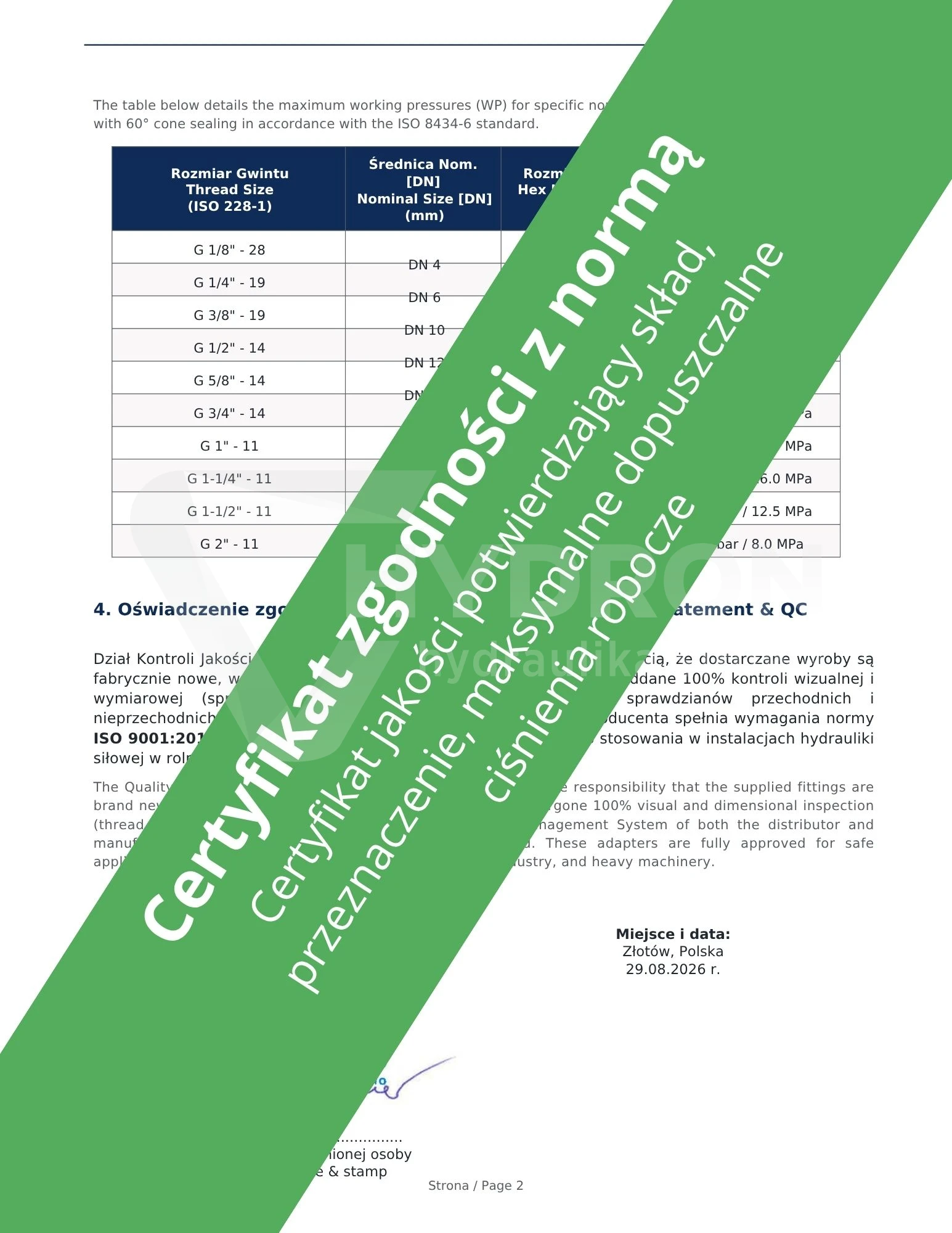
- working pressure: 250 bar,
- working temperature: from -20°C to +120°C,
- material: free-cutting steel,
- surface protection: zinc plating with white passivation,
- manufacturing standard: BS5200 / ISO 8434-6,
- medium: hydraulic oil,
- purpose: connecting hydraulic system components,
- Vitillo designation: ARGG1204.
BSP 1/4" to BSP 3/4" reducer
The different sizes of both ports mean the product functions as a BSP 1/4" / 3/4" reducer. It allows connecting a small BSP 1/4" port with a component equipped with a much larger BSP 3/4" thread. Both sides of the fitting have male threads.
Such a solution can be useful when building new systems, repairing, and upgrading machines where individual components have different port sizes. Instead of using several sequential adapters, a single compact reducing nipple can be used.
You can find more configurations in the category inch BSP straight fittings.
Large diameter difference: BSP 1/4" and BSP 3/4"
In this fitting, the difference between the two sides is pronounced. The BSP 1/4" thread has an external diameter of approximately 12.9-13.1 mm, whereas the BSP 3/4" is approximately 26.1-26.4 mm.
This means more than a twofold difference in the external thread diameter. With such a reduction, it is particularly important to check whether the change in port size is also appropriate from the perspective of the flow parameters of the entire system.
How to identify a BSP 1/4" thread?
The BSP 1/4" designation is a nominal value. It does not mean that the actual external diameter of the thread is 6.35 mm. In the case of the presented product, the BSP 1/4" thread has a diameter of approximately 12.9-13.1 mm.
If during measurement with a caliper you get a result close to 13 mm, this is an important clue in identifying BSP 1/4". For a confident selection, however, the thread pitch and the design of the sealing surface should additionally be checked.
How to identify a BSP 3/4" thread?
The larger side of the fitting has a BSP 3/4" male thread. Its external diameter according to the product parameters is approximately 26.1-26.4 mm.
A measurement around 26.3 mm may therefore indicate BSP 3/4". Also in this case, the 3/4" designation is nominal and should not be directly converted to 19.05 mm.
Why do BSP sizes not correspond to a simple inch conversion?
BSP threads are pipe threads, and their inch designations are nominal in nature. This is exactly why BSP 1/4" has an actual external diameter of about 13 mm, while BSP 3/4" is about 26.3 mm.
Directly converting 1/4" and 3/4" values into millimeters is one of the most common causes of incorrect selection of hydraulic fittings. During identification, it is best to use actual diameter measurements and check the thread pitch.
60° sealing cone
The fitting features a 60° sealing cone. Therefore, when selecting mating components, one should not be guided solely by the nominal BSP thread size.
The surfaces responsible for sealing must be compatible. The ability to mechanically screw two elements together does not automatically mean that they form a correct and leak-tight hydraulic connection.
Working pressure 250 bar
The maximum working pressure of the presented fitting is 250 bar. This parameter should be compared with the actual maximum pressure occurring in the system before using the component.
It is also worth remembering that the pressure of the entire system is limited by its weakest component. Therefore, you should check the parameters of hoses, fittings, valves, manifolds, quick couplings, and other elements working under pressure.
If you are assembling a ready connection, also check the crimped hydraulic hoses available in the HYDRON offer.
Diameter reduction and oil flow
The transition from BSP 3/4" to BSP 1/4" represents a significant change in port size. Therefore, the mere fact of mechanical fitting does not mean that such a reduction will be appropriate in every system.
With a large change in cross-section, it is worth considering the required flow, the hose diameter, and the parameters of the entire system. A cross-section that is too small relative to the required flow can affect the operation of the system and cause additional pressure drops.
Free-cutting steel protected with zinc plating
The body of the fitting is made of free-cutting steel. The surface is protected with zinc plating with white passivation. This is a commonly used solution in fasteners intended for standard power hydraulics systems.
The material should be selected for the actual operating conditions of the system. If the element will work in an environment requiring increased corrosion resistance, it is worth considering an appropriate stainless steel version.
Such products are available in the category stainless steel straight fittings.
Working temperature from -20°C to +120°C
For the BB BSP 1/4" / 3/4" fitting, the product data sheet specifies a working temperature range from -20°C to +120°C. Hydraulic oil is indicated as the working medium.
When determining the allowable temperature of a complete system, you must also check the parameters of hoses, seals, valves, and other components. The permissible operating conditions of the entire system are limited by the element with the lowest parameters.
BS5200 / ISO 8434-6 standard
The fitting belongs to the group of BSP connections manufactured according to BS5200 / ISO 8434-6. Information about the manufacturing standard facilitates the correct selection of mating components.
When replacing an old fitting, you must check not only the diameter of both threads, but also their pitch and the design of the sealing surfaces.
Application of the BSP 1/4" / 3/4" reducer
The fitting can be used wherever a direct transition between a BSP 1/4" and BSP 3/4" port is necessary. The reducing design finds application both during the construction of new systems and the repair and modernization of existing hydraulic installations.
- power hydraulic systems,
- agricultural machinery,
- orchard machinery,
- forestry machinery,
- construction machinery,
- industrial equipment,
- hydraulic power units,
- oil installations,
- hydraulic system repairs,
- modernization of machines and equipment.
One reducer instead of several adapters
The direct fitting BSP 1/4" / 3/4" allows you to make a significant diameter change using a single body. This reduces the need to build a reduction out of several separate adapters.
Fewer components mean a shorter connection and fewer threaded points requiring proper assembly. This is particularly important where space around hoses and hydraulic fittings is limited.
How to choose a BSP 1/4" / 3/4" fitting?
Before ordering, it is worth carefully checking both elements of the system. For the presented model, the most important selection criteria are:
- first side: BSP 1/4" male,
- second side: BSP 3/4" male,
- BSP 1/4" external diameter: approx. 12.9-13.1 mm,
- BSP 3/4" external diameter: approx. 26.1-26.4 mm,
- sealing system: 60° cone,
- working pressure: maximum 250 bar,
- working temperature: from -20°C to +120°C,
- material: free-cutting steel,
- surface protection: zinc plating with white passivation.
If a new fitting is selected based on an element removed from the machine, it is worth carefully measuring both threads with a caliper and checking their pitch. This helps to reduce the risk of confusing BSP with other inch thread standards.
BSP, BSPT, and NPT - similar designations do not mean compatibility
In hydraulics, there are several inch thread systems. BSP, BSPT, and NPT may have similar nominal designations, but they should not be treated as automatically interchangeable.
Differences relate, among other things, to the thread geometry and the method of making the connection. If the type of port in the machine is unknown, it is worth making an accurate measurement and comparing the element with the technical documentation or a thread pitch gauge before purchase.
Selection of a hose for a BSP port
When making a complete hydraulic hose, the thread size alone is not enough. You also need to select the internal diameter of the hose, its construction, the required working pressure, length, and appropriate fittings.
To prepare a complete hose, you can use the HYDRON hydraulic hose configurator, which facilitates the selection of a hose and fittings for a specific machine or system.
What to watch out for during assembly?
Before screwing the fitting, check the condition of both threads and the sealing surfaces. They should be clean and free of mechanical damage.
If unusually high resistance occurs during the very first turns, do not tighten the element forcefully. This may mean the use of a different thread size, pitch, or standard.
After proper assembly and system start-up, check the tightness of the connection in accordance with the procedure appropriate for the given hydraulic system.
Hydraulic fittings at HYDRON
In the HYDRON offer, you will find a wide selection of hydraulic fittings designed for the construction, repair, and modernization of power hydraulic systems. BSP, BSPT, JIC/UNF, ORFS, NPT, and various metric connections are available.
Frequently Asked Questions
What threads does the fitting have?
On one side there is a BSP 1/4" male thread, and on the other a BSP 3/4" male thread.
Is this a reducing fitting?
Yes. The fitting makes a direct transition between BSP 1/4" and a larger BSP 3/4".
What is the maximum working pressure?
The maximum working pressure stated for the product is 250 bar.
What material is the fitting made of?
The body is made of free-cutting steel, and the surface is protected by zinc plating with white passivation.
What sealing cone is used?
The fitting features a 60° sealing cone.
What is the diameter of the BSP 1/4" thread?
For the BSP 1/4" male thread, the product data sheet states approximately 12.9-13.1 mm.
What is the diameter of the BSP 3/4" thread?
For the BSP 3/4" male thread, the product data sheet states approximately 26.1-26.4 mm.
Does BSP 1/4" have a diameter of 6.35 mm?
No. The 1/4" designation is a nominal value. The actual external diameter of this thread is about 13 mm.
Does BSP 3/4" have a diameter of 19.05 mm?
No. The 3/4" designation is also nominal. The actual external diameter is about 26.1-26.4 mm.
What is the working temperature range?
The temperature range stated for the product is from -20°C to +120°C.
What medium is specified for the product?
In the product description, hydraulic oil is indicated as the medium.
Can this fitting be used in a system operating at 250 bar?
250 bar is the maximum working pressure stated for the product. All other system components must also be properly selected for the actual operating parameters.
Can a large reduction from 3/4" to 1/4" affect the flow?
A change in cross-section may be significant for the flow parameters of the system. Therefore, when making a selection, one must consider not only the threads but also the required flow, hose diameter, and the characteristics of the entire system.
What Vitillo designation does this fitting have?
The product data sheet specifies the Vitillo designation ARGG1204.
Are BSP 1/4" and BSPT 1/4" the same thread?
They should not be treated as identical connections. During selection, it is necessary to confirm the exact thread standard present in the system.
Can the fitting be selected solely using a caliper?
Measuring diameters is very helpful, but for confident identification, one must also check the thread pitch and the design of the sealing surfaces.
What to do if I am not sure of the port type?
It is best to measure both threads, check their pitch, and compare the element with the machine documentation or a thread pitch gauge. In case of doubt, it is worth using HYDRON technical support before ordering.
Product Reviews
If you've added a review and it doesn't appear on the list, it may be pending moderation.
Leave feedback on the product
Product Safety
Manufacturer
HYDRON hydraulika siłowa
Kujańska 6a
77-400 Złotów, Poland
+48 67 350 53 69 kontakt@hydron.com.pl Report a product safety issue
Responsible person in the EU
HYDRON hydraulika siłowa
Kujańska 6a
77-400 Złotów, Poland
+48 67 350 53 69 kontakt@hydron.com.pl Report a product safety issue
Related Products
-
€8.46€6.87
-
€3.18€2.58
Other Products in This Category
-
€11.28€9.17
-
€66.81€54.32
-
€22.20€18.04
-
€2.65€2.15
-
€26.72€21.73
-
€22.27€18.11
-
€33.98€27.62
-
€19.09€15.52
-
€4.52€3.67
-
€8.63€7.02
-
€2.69€2.19
-
€10.79€8.77
-
€27.26€22.17
-
€1.70€1.39
-
€0.74€0.60
-
€3.51€2.85
Bestsellers
-
€4.77€3.88
-
€5.11€4.15
-
€0.23€0.19
-
€3.41€2.77
-
€4.43€3.60
-
€1.19€0.97
-
€0.42€0.34
-
€4.70€3.82
-
€0.42€0.34
-
€2.58€2.09
-
€1.03€0.83
-
€1.29€1.05